
HN
@heloix_news
HealthTech
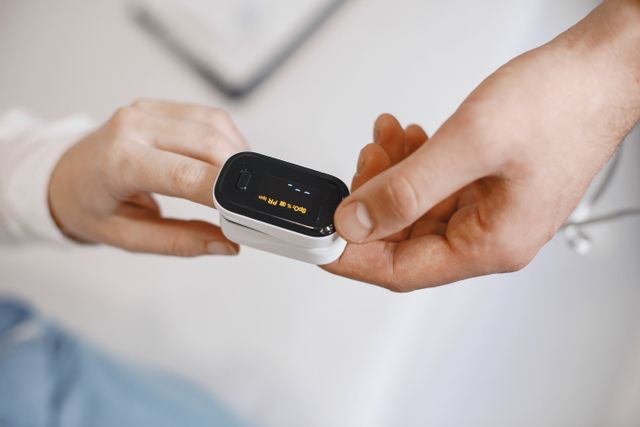
Simplifying Metabolic Health: Inside EYVA’s Pocket-Sized, Non-Invasive Biosensing Revolution
#EYVA#metabolichealth#biosensing
Comment
603
Shamita
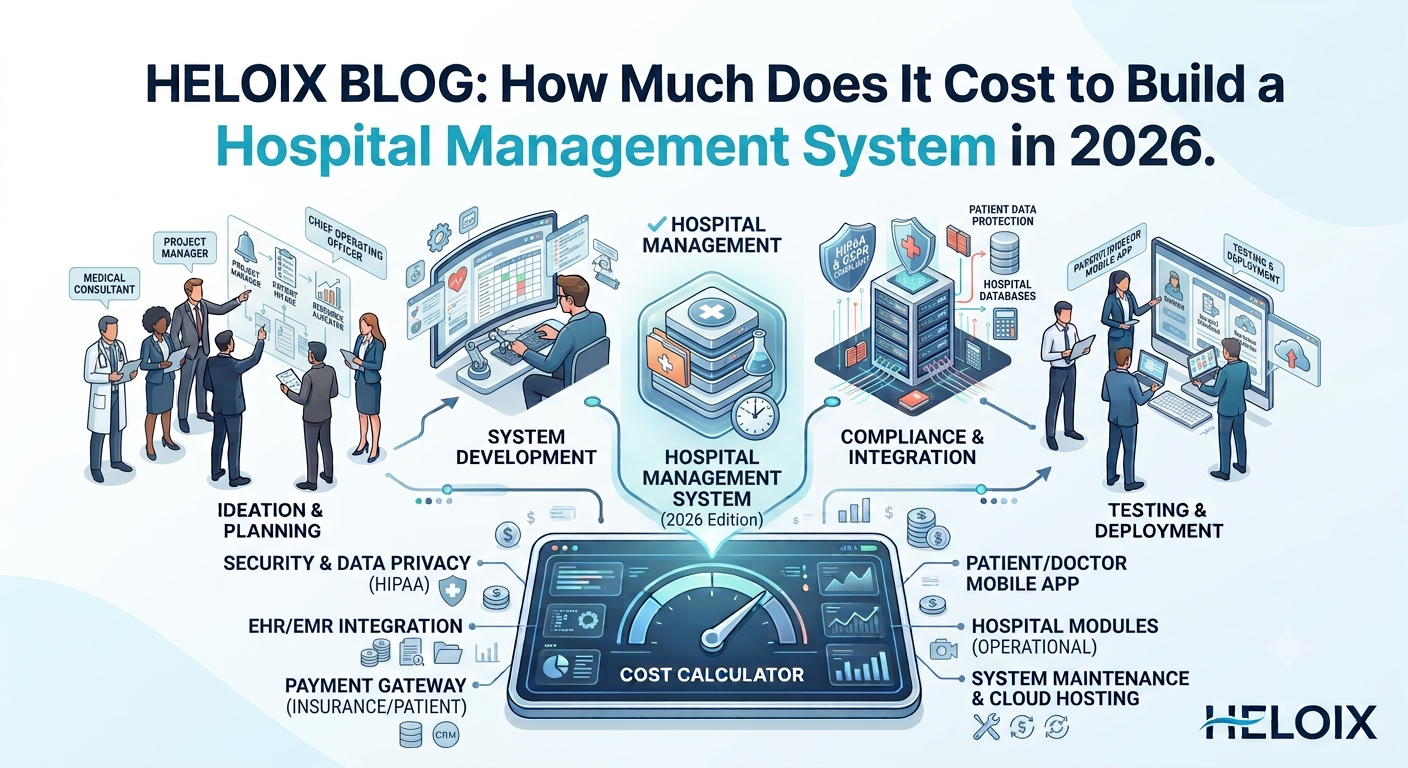
Modern healthcare infrastructure relies heavily on integrated digital systems. Hospital Management Systems (HMS) or Hospital Information Systems (HIS) are no longer simple administrative tools; they act as mission-critical operating software. They connect out-patient departments (OPD), in-patient admissions (IPD), electronic health records (EHR), operating theaters (OT), central pharmacy inventory, laboratory diagnostic machinery, insurance TPA claim settlement, and regional health data networks.
Understanding the cost to build a hospital management system requires evaluating whether you select a monthly SaaS subscription, invest in a custom software engineering build, or deploy a ready-to-launch white-label solution. Below is a comprehensive breakdown of development costs, key cost drivers, operating expenses, and a step-by-step launch framework.
Development costs depend on clinical depth, the number of operational modules, hospital bed capacity, and compliance frameworks (such as HIPAA in the US, GDPR in Europe, or ABDM/NDHM in India).
  ┌──────────────────────────────────────────────────────────┐
  │ 1. Small Clinic / OPD System: $3,000 – $8,000            │
  │    (₹2,00,000 – ₹6,00,000 in India)                      │
  └─────────────────────────────┬────────────────────────────┘
                                │
                                ▼
  ┌──────────────────────────────────────────────────────────┐
  │ 2. Mid-Size Hospital System (20–100 Beds): $12,000 – $35,000│
  │    (₹8,00,000 – ₹25,00,000 in India)                     │
  └─────────────────────────────┬────────────────────────────┘
                                │
                                ▼
  ┌──────────────────────────────────────────────────────────┐
  │ 3. Enterprise Multi-Specialty Hub: $40,000 – $120,000+   │
  │    (₹30,00,000 – ₹1,00,000,000+ in India)                 │
  └─────────────────────────────┴────────────────────────────┘
| System Scope | Core Included Modules & Capabilities | Global Cost (USD) | Cost in India (INR) |
| Small Clinic / OPD Engine | Patient registration, OPD queue management, digital prescriptions (EMR), billing, basic inventory. | $3,000 – $8,000 | ₹2,00,000 – ₹6,00,000 |
| Mid-Size Hospital (20–100 Beds) | OPD + IPD admission management, bed allocation, pharmacy inventory, lab LIMS sync, GST billing, basic TPA insurance. | $12,000 – $35,000 | ₹8,00,000 – ₹25,00,000 |
| Enterprise Multi-Specialty & ABDM | Multi-branch central dashboard, OT scheduling, ICU monitoring, PACS/DICOM radiology sync, HL7/FHIR APIs, AI analytics. | $40,000 – $120,000+ | ₹30,00,000 – ₹1,00,00,000+ |
Healthcare Data Compliance & Interoperability: Storing Protected Health Information (PHI) requires HIPAA/GDPR standards, end-to-end data encryption (AES-256), and HL7/FHIR protocol integration for universal electronic health record exchange.
Clinical Hardware Integrations: Connecting laboratory auto-analyzers (LIMS), DICOM radiology equipment (X-Ray, MRI, CT scans), and biometric attendance units adds API hardware setup expenses.
Multi-Role Portals & Apps: Developing separate native front-ends or web modules for doctors, nurses, pharmacists, lab technicians, front-desk staff, and patients increases development effort.
Data Migration & Legacy Conversion: Transferring years of legacy physical paper files or old database spreadsheets into a cloud database securely.
Building the software is only the baseline; budget planning must account for recurring operational expenses:
Cloud Server Infrastructure: High-availability AWS, Google Cloud, or Azure hosting configured for medical data back-ups ($100 to $800+/month).
Transactional Communication APIs: Per-message costs for WhatsApp Business API and transactional SMS (for appointment tokens, prescription links, and bill receipts).
Payment Gateway Charges: Merchant transaction fees (1.5% to 2.5%) on digital patient checkouts and OPD booking portals.
Annual Maintenance & Compliance Reviews: Penetration testing, database optimization, and regulatory audits typically run 15% to 20% of the software value annually.
Building a custom hospital management system from scratch requires specialized health-tech engineers, QA auditors, and security compliance experts, taking 6 to 12 months of custom coding.
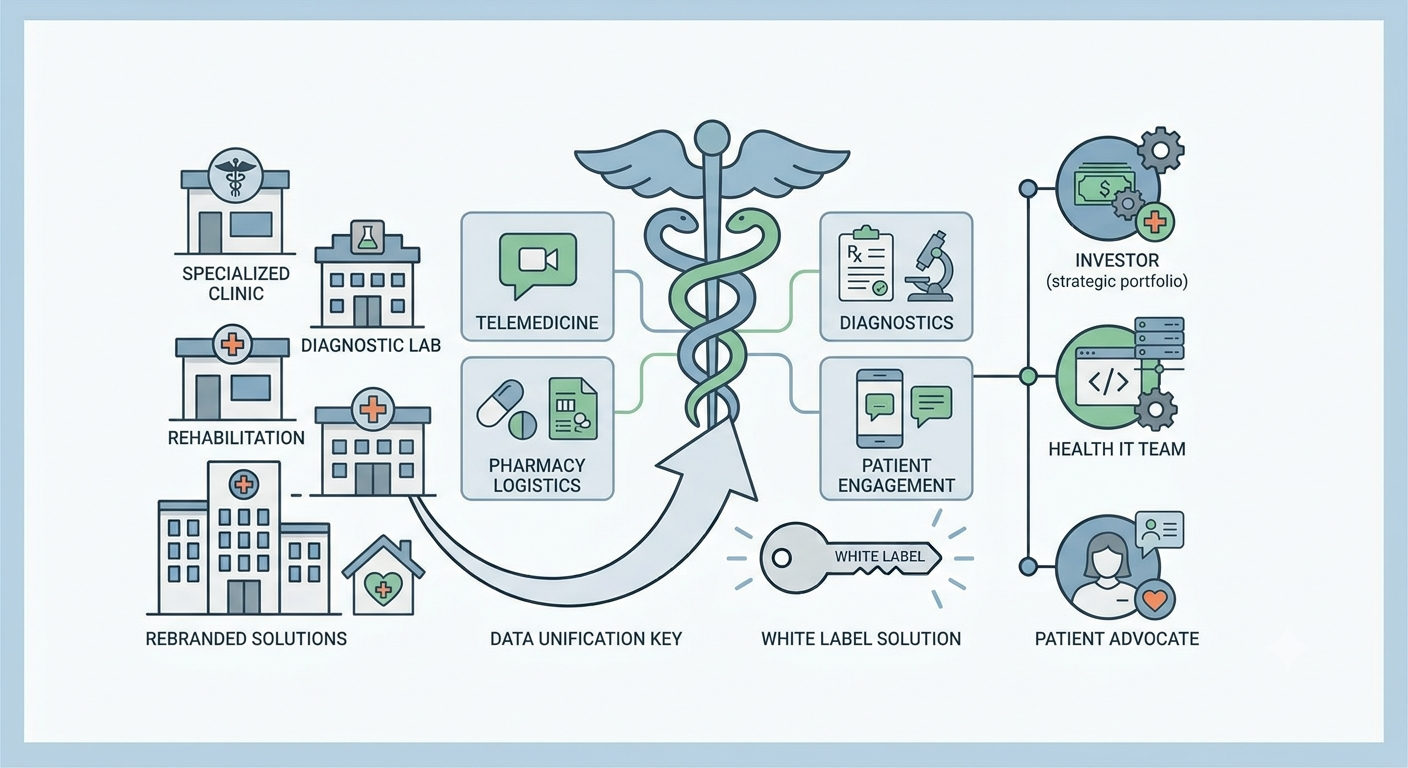
Utilizing a ready-to-launch HMS SaaS platform or white-label solution offers a faster, highly profitable path:
Turnkey Market Entry: Deploy a production-ready, custom-branded HMS platform under your own agency or reseller brand in days rather than months.
High Recurring Revenue: License the software once or purchase wholesale multi-tenant access, then charge hospitals on a per-bed or per-month subscription model, building predictable SaaS recurring revenue.
Pre-Built Enterprise Modules: Pre-configured out of the box with OPD queues, IPD management, pharmacy inventory, lab reports, and billing engines.
Full Source Code Ownership: Platform providers like Heloix offer ready-to-launch software business frameworks with optional full source code ownership. This eliminates ongoing software licensing lock-in and gives you complete freedom to host, rebrand, and customize your software technology stack.
  ┌──────────────────────────────────────────────────────────┐
  │ 1. Define Healthcare Scope & Regulatory Standards        │
  └─────────────────────────────┬────────────────────────────┘
                                │
                                ▼
  ┌──────────────────────────────────────────────────────────┐
  │ 2. Deploy Turnkey System Architecture & Source Code     │
  └─────────────────────────────┬────────────────────────────┘
                                │
                                ▼
  ┌──────────────────────────────────────────────────────────┐
  │ 3. Integrate Local Payment Gateways & WhatsApp APIs      │
  └─────────────────────────────┬────────────────────────────┘
                                │
                                ▼
  ┌──────────────────────────────────────────────────────────┐
  │ 4. Onboard Beta Clinics & Nursing Homes                  │
  └─────────────────────────────┬────────────────────────────┘
                                │
                                ▼
  ┌──────────────────────────────────────────────────────────┐
  │ 5. Execute Direct B2B Sales & Healthcare Marketing       │
  └─────────────────────────────┬────────────────────────────┘
                                │
                                ▼
  ┌──────────────────────────────────────────────────────────┐
  │ 6. Provide Medical Staff Training & Scale Platform Networks│
  └─────────────────────────────┴────────────────────────────┘
Clarify your target market and required healthcare approvals:
Small OPD clinics vs. mid-sized nursing homes vs. enterprise multi-specialty hospitals
Identify regulatory compliance needs (HIPAA in the US, GDPR in Europe, ABDM/NDHM in India)
Set strict data privacy standards for electronic medical record protection
Acquire a production-ready white-label HMS framework. Apply your visual branding, map custom SSL web domains, structure role-based access permissions (Admin, Doctor, Nurse, Billing, Pharmacy), and prepare mobile applications for deployment.
Connect regional payment processing gateways (such as Stripe, Razorpay, or PayPal) to process patient bill settlements directly into hospital accounts. Connect transactional SMS and WhatsApp APIs for automated prescription delivery and appointment alerts.
Overcome the trust barrier by offering a 30-day trial or zero setup fee to 2–3 pilot clinics or nursing homes:
Assist medical administrators with importing doctor schedules, drug inventories, and patient record databases.
Conduct brief virtual training sessions for front-desk clerks, nurses, and pharmacists.
Collect testimonials and operational proof points (e.g., "Reduced OPD patient wait times by 60%").
Acquire new client hospitals through targeted outreach:
Direct Field Visits: Conduct live product demonstrations for hospital directors, medical superintendents, and IT heads.
Health-Tech Referral Networks: Partner with medical equipment distributors, diagnostic labs, and healthcare consultants.
Content & Search Marketing: Build landing pages targeting regional terms like "best cloud hospital management software for nursing homes".
Ensure high client retention through responsive customer support:
Provide dedicated onboarding documentation and video walkthroughs.
Monitor system uptime during peak morning OPD admission rushes.
Upsell secondary add-on modules, such as AI radiology diagnostics, specialized ICU modules, or diagnostic lab machine integration.
Please to post a comment
No comments yet
Be the first to share your thoughts.
@heloix_news
HealthTech
@heloix_news
HealthTech
@heloix_news
HealthTech
Subscribe for the latest on technology, business growth and digital transformation.