
HN
@heloix_news
Tech

How to Launch a NFT Marketplace in Just 3 Days
#NFTMarketplace#NFTs#DigitalAssets
Comment
671
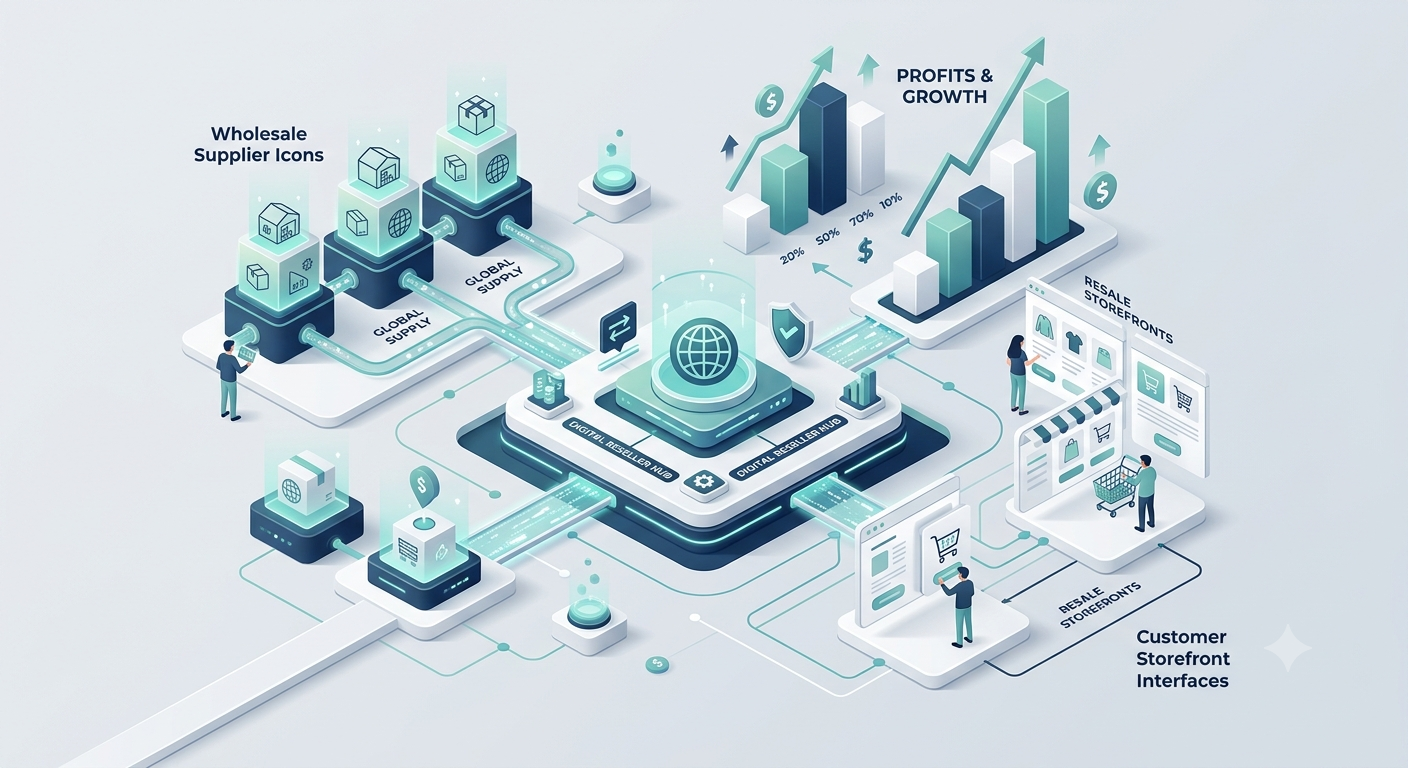
Have you ever considered launching your own online or physical store, but found yourself stalled by the enormous overhead costs of product manufacturing, inventory storage, and initial research and development? If so, the reseller business model might be the ideal vehicle to turn your entrepreneurial ambitions into a sustainable, scalable business.
At its core, reselling is one of the oldest, most proven commerce strategies in human history—modernized for today's digital economy. In this comprehensive guide, we will break down what the reseller business model is, explain how it operates across physical and digital spaces, explore its core advantages, and provide a clear, step-by-step roadmap to help you launch a ready-to-scale reselling operation today.
The reseller business model is a strategic commercial framework where a company or individual purchases products or services from a manufacturer, wholesaler, or primary service provider, and resells them directly to end consumers (or other businesses) at a marked-up price to generate a profit.
Unlike traditional manufacturers, resellers do not design or produce goods. Instead, their value proposition lies in curation, accessibility, branding, convenience, and localized customer experience.
[ Manufacturer / Supplier ] ──(Wholesale Price)──> [ Reseller (You) ] ──(Retail Price)──> [ End Customer ]
By bridging the gap between producers who prefer high-volume, bulk orders and end users who want individual items, resellers act as crucial market facilitators.
The reselling concept adapts across numerous industries and business structures:
E-Commerce Retail Reselling: Buying inventory at wholesale prices from platforms or distributors, storing it, and listing it on branded websites, Shopify, Amazon, or eBay.
Dropshipping: A lean variant of reselling where you list products without holding inventory. When a customer purchases from your store, the order is fulfilled and shipped directly by the wholesale supplier.
Value-Added Reselling (VAR): Popular in technical sectors, where a business buys third-party hardware or software, adds custom services (like installation, setup, training, or ongoing support), and sells the complete bundle.
Digital & White-Label Reselling: Purchasing rights to digital products, hosting, web maintenance packages, or software-as-a-service (SaaS) and presenting them under your own brand name to clients.
To build a thriving reseller business, you need a strong handle on the key elements driving this ecosystem:
| Component | Role & Responsibilities |
| Wholesaler / Supplier | Manufactures or holds stock in bulk; handles quality control; sets baseline inventory costs. |
| Reseller (Your Brand) | Manages storefront, branding, sales strategy, pricing structures, and customer relationships. |
| Margin & Markup Strategy | The price difference between wholesale acquisition cost and retail price—this covers operational overhead and profit. |
| End Customer | Enjoys curated product selections, faster localized shipping, or personalized service. |
Why is the reseller business model frequently recommended for first-time business owners?
Low Capital Requirements: You don't need millions in seed capital or R&D budgets to start. You are leveraging existing, market-tested products.
Rapid Time-to-Market: Because the core offerings already exist, you can assemble a digital catalog and launch a ready-to-go storefront in days or weeks rather than months.
Zero Manufacturing Risk: Eliminates complex supply-chain logistics related to raw materials, prototyping, assembly lines, and factory compliance.
Broad Catalog Flexibility: If a particular product line isn't selling, you can pivot your inventory quickly without sunk manufacturing costs.
  ┌─────────────────────────────────────────────────────────┐
  │ 1. Select a Lucrative Niche & Target Audience          │
  └────────────────────────────┬────────────────────────────┘
                               │
                               ▼
  ┌─────────────────────────────────────────────────────────┐
  │ 2. Source Reliable Suppliers & Wholesalers             │
  └────────────────────────────┬────────────────────────────┘
                               │
                               ▼
  ┌─────────────────────────────────────────────────────────┐
  │ 3. Define Pricing Strategy & Profit Margins             │
  └────────────────────────────┬────────────────────────────┘
                               │
                               ▼
  ┌─────────────────────────────────────────────────────────┐
  │ 4. Build Your Branded Sales Channel                     │
  └────────────────────────────┬────────────────────────────┘
                               │
                               ▼
  ┌─────────────────────────────────────────────────────────┐
  │ 5. Execute Focused Marketing & Customer Acquisition     │
  └────────────────────────────┬────────────────────────────┘
                               │
                               ▼
  ┌─────────────────────────────────────────────────────────┐
  │ 6. Streamline Operations & Deliver Great Support        │
  └─────────────────────────────────────────────────────────┘
Avoid trying to be a general marketplace like Amazon when starting out. Instead, focus on a targeted vertical with steady demand and defined customer pain points (e.g., specialized fitness gear, ergonomic home office accessories, eco-friendly skincare, or niche B2B software tooling).
Identify growing market segments using research tools like Google Trends and social listening platforms.
Validate that customers in this niche actively spend money on existing products.
Your vendor partnership is the backbone of your business. If your supplier delivers poor quality or delayed shipping, your brand takes the hit.
Search verified supplier directories (such as ThomasNet, Wholesale Central, or vetted wholesale trade shows).
Always order physical samples to test product durability, packaging quality, and shipping delivery speeds.
Evaluate supplier responsiveness, return policies, and payment terms before signing long-term contracts.
Setting the right prices is a delicate balance: charge too much and you deter buyers; charge too little and operating margins evaporate.
Calculate your Cost of Goods Sold (COGS) including wholesale price, shipping fees, transaction merchant fees, and packaging. Aim for pricing that provides healthy profit margins (typically 30% to 60%+ depending on product type and added value).
Establish a professional presence where customers can browse and purchase confidently:
E-Commerce Storefront: Build a dedicated site using platforms like Shopify, WooCommerce, or custom web portals to maintain complete brand ownership.
Marketplaces: Supplement sales on established channels like Amazon or eBay to tap into immediate search traffic.
Branding Elements: Invest in a distinct business logo, cohesive color scheme, clear product photography, and high-converting product descriptions.
Since you are reselling products that may also be available elsewhere, your marketing execution becomes your main competitive advantage:
Content & SEO: Create high-value blog reviews, buyer guides, and comparison charts to capture organic web traffic.
Paid Advertising: Use targeted social media ads and Google Search campaigns focused on high-intent keywords.
Influencer Partnerships: Collaborate with micro-influencers in your niche to build instant credibility through product unboxings and authentic reviews.
As orders begin rolling in, shift your attention to scaling efficiency:
Automate inventory syncing to prevent overselling items that are out of stock.
Establish standard operating procedures (SOPs) for order processing, shipping updates, and return handling.
Provide fast, polite customer service—repeat buyers and positive online reviews drive long-term profit margins in reselling.
Please to post a comment
No comments yet
Be the first to share your thoughts.
@heloix_news
Tech
@heloix_news
Tech

@heloix_news
Tech

Subscribe for the latest on technology, business growth and digital transformation.