
HN
@heloix_news
Growth

Gaming Commerce Unlocked: How PlaySuper Is Converting In-Game Victories into Real-World Rewards
#PlaySuper#gamingcommerce#gamingrewards
Komen
2.5K
Shreya
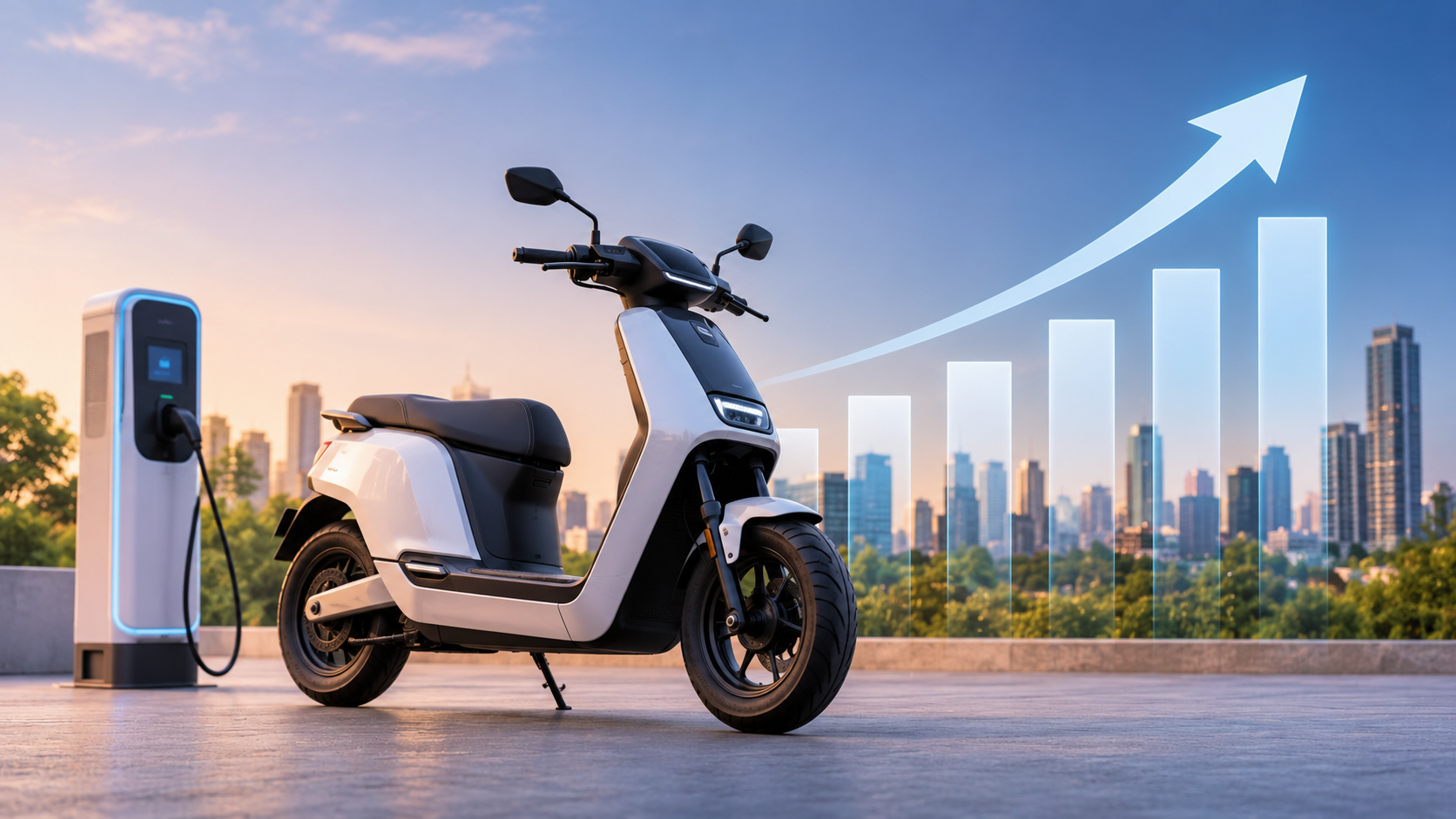
Electric two-wheeler startup River Mobility recorded a sharp increase in revenue during the financial year ended March 2026, as it continued to scale production and expand sales of its electric scooters. The Bengaluru-based company reported operating revenue of ₹432.3 Cr in FY26, marking a 4.2X increase from ₹101.9 Cr in the previous financial year.
However, the company's growth also came with rising costs. River Mobility's net loss widened 46% to ₹285.7 Cr in FY26, compared with ₹195.7 Cr in FY25. Its total expenses increased 140.1% to ₹719.1 Cr during the year, up from ₹299.5 Cr a year earlier.
Including other income, the company's total income stood at ₹433.4 Cr, compared with ₹103.8 Cr in FY25. Meanwhile, its net cash outflow from operating activities rose to ₹235.5 Cr from ₹160.1 Cr.
### Electric Scooter Sales Drive Revenue Growth
Sales of electric scooters remained the biggest contributor to River Mobility's revenue. The company generated ₹353.4 Cr from scooter sales, including government subsidies, in FY26, compared with ₹81.3 Cr in the previous year.
Revenue from services also increased significantly, reaching ₹57.7 Cr against ₹18.1 Cr in FY25. This segment primarily includes services related to the design and development of vehicle prototypes.
The increase in revenue reflects the company's efforts to scale its manufacturing operations and strengthen its position in India's electric two-wheeler market.
### River Mobility Expands Sales and Distribution Network
River Mobility has been steadily increasing its market presence as demand for its electric scooters grows.
According to Vahan data, the company was India's seventh-largest electric two-wheeler manufacturer by registrations in October 2026, with an estimated market share of around 3%.
Its registrations increased 15.7% month-on-month to 6,533 units in October, compared with 5,647 units in September.
For the entire FY26, River sold 24,492 electric vehicles, representing a fivefold increase from the 4,906 units sold in FY25.
Founded in 2021 by Aravind Mani and Vipin George, River Mobility launched its flagship Indie electric scooter in February 2023 and began customer deliveries in October of the same year.
The company has positioned the Indie as a utility-focused electric scooter, particularly targeting entrepreneurs and business owners who need additional space to carry tools, equipment and other essentials.
River's cofounder Aravind Mani had previously indicated that the company would need to sell around 15,000–20,000 scooters every month to reach EBITDA breakeven.
### $120 Mn Series C to Support Expansion
River Mobility secured a major funding boost in August 2026, when it announced a $120 Mn Series C round co-led by Elev8 Venture Partners and Claypond Capital.
The round marked the company's first major fundraise involving Indian investors. Before this, River had raised approximately $68 Mn in equity funding, including a $40 Mn investment round led by Yamaha Motor.
The fresh capital is expected to support the company's manufacturing expansion and product development plans.
River intends to increase production capacity at its existing factory near Bengaluru while also setting up a new greenfield manufacturing facility. The company is also looking to introduce additional products in the utility lifestyle segment.
At the time of its August fundraise, River operated more than 75 stores and had set a target of expanding its retail network to over 350 stores by March 2028.
### Rising Manufacturing and Operating Costs
While River Mobility's revenue grew substantially in FY26, its expenses also increased as the company scaled operations.
Raw materials and components accounted for the largest share of its expenditure. Raw material costs increased sharply from ₹115 Cr in FY25 to ₹404.1 Cr in FY26, reflecting higher production volumes and increased manufacturing activity.
Employee benefit expenses rose 47% to ₹110.9 Cr from ₹75.5 Cr in the previous financial year.
The company also recorded a significant increase in vehicle testing expenses. These costs climbed 150% year-on-year to ₹48.5 Cr from ₹19.4 Cr, partly due to higher sales volumes and investments in developing its upcoming product pipeline.
Advertising and business promotion expenses also increased. River spent ₹28.3 Cr on these activities in FY26, compared with ₹13 Cr in FY25, marking a 117.7% rise.
### Balancing Growth With Profitability
River Mobility's FY26 performance highlights the rapid expansion of its business, with operating revenue growing more than fourfold and annual vehicle sales increasing five times.
However, the widening net loss and higher operating cash outflow underline the financial pressure associated with scaling an electric vehicle manufacturing business.
The company's next phase will depend on how effectively it can increase production, expand its retail network and improve manufacturing efficiencies while managing costs.
With fresh Series C funding, plans for additional manufacturing capacity and an expanding product portfolio, River Mobility is now focused on strengthening its position in India's competitive electric two-wheeler market.
Sila untuk menghantar komen
Tiada komen lagi
Jadilah yang pertama berkongsi pendapat anda.
@heloix_news
Growth
@heloix_news
Growth

@heloix_news
Growth

Langgan untuk berita terkini tentang teknologi, pertumbuhan perniagaan dan transformasi digital.