
HN
@heloix_news
Tech
Comment
420
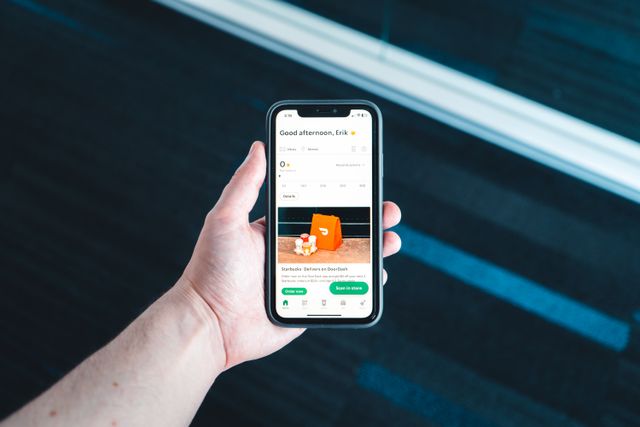
People are getting used to ordering almost everything from their phones. They can book a cab, schedule a home cleaning service, order food, find a plumber, hire a beauty professional, or request a delivery without making a phone call.
This change has created a growing opportunity for businesses that want to build on-demand service platforms.
An on-demand service app connects customers with service providers through a digital platform. Customers can browse services, choose a provider, schedule a service, make payments, and receive updates from one place.
If you are considering entering this market in 2026, you do not necessarily need to build a complex application from scratch. There are several ways to launch an on-demand service business, depending on your budget, technical skills, target market, and business model.
An on-demand service app is a mobile or web-based platform that allows customers to request services whenever they need them.
The basic process is simple. A customer opens the app, selects a service, provides the required details, chooses a suitable time or accepts immediate service, and submits a request. A service provider then accepts the request and completes the job.
Examples include:
Home cleaning
Plumbing
Electrician services
Beauty and salon services
Grocery delivery
Laundry services
Moving and relocation
Car washing
Repair and maintenance
Delivery services
The exact features depend on the type of service you want to offer.
Before developing an app, you need to understand how the business will make money.
Most on-demand platforms operate as a marketplace. The platform attracts customers and service providers and manages the interaction between them.
For example, imagine you launch a home cleaning platform.
A customer may book a cleaning service for ₹1,000. The service provider completes the job, while your platform takes a commission from the transaction. You could also charge providers a subscription fee or customers a service fee.
Common revenue models include:
The platform takes a percentage from every completed transaction.
Customers pay a small platform or booking fee when placing an order.
Service providers pay a monthly or yearly fee to access customers and platform features.
Providers can pay to appear more prominently in search results.
Once your platform attracts enough users, businesses can pay to advertise their services.
You can use one model or combine several of them.
One common mistake is trying to create an app for every possible service immediately.
Starting with a focused niche can make the launch easier.
For example, instead of creating a general service marketplace, you could start with:
Home maintenance
Beauty services
Pet care
Cleaning services
Automotive services
Fitness services
Delivery services
A focused platform allows you to understand your customers and providers before expanding into other categories.
You should research your target location, competitors, customer demand, pricing, and provider availability before investing heavily in development.
An on-demand marketplace usually requires more than one interface.
The customer side allows users to search for services, create bookings, make payments, track requests, and leave reviews.
The service provider side allows professionals to create profiles, receive requests, manage bookings, update availability, and track earnings.
An admin panel is also important. It allows the business owner to manage customers, providers, transactions, services, complaints, and platform settings.
Depending on your business, you may need separate mobile applications for customers and providers along with a web-based administration panel.
You do not need every possible feature on the first day. Focus on functions that help customers complete bookings and providers manage their work.
Your customer app may include:
Account registration
Service search
Provider profiles
Service descriptions
Location selection
Booking
Scheduling
Online payments
Booking history
Notifications
Ratings and reviews
Customer support
A simple and clear interface is more useful than filling the application with unnecessary options.
Providers may need:
Registration and profile creation
Document verification
Service management
Availability settings
Booking requests
Accept or reject options
Earnings information
Customer details
Notifications
Ratings and reviews
The provider experience matters because your marketplace cannot function properly without enough reliable service professionals.
The admin dashboard can give you control over the entire platform.
It may include:
Customer management
Provider management
Booking management
Payment monitoring
Commission settings
Service category management
Reviews and complaints
Reports and analytics
Notifications
Promotional settings
These tools can help you monitor what is happening across the platform.
Launching the business involves more than publishing an application in an app store.
First, define your target market and service category. Then research competitors and determine how your platform will be different.
Next, plan your business model. Decide how you will charge customers or service providers and estimate your operating costs.
After that, prepare the platform. You can build the software from scratch, hire a development team, or use an existing software solution.
For entrepreneurs who want to move faster, an on-demand service app white label solution can provide an existing foundation that can be customized and branded for a particular business.
Once the platform is ready, test the booking process carefully. Check registration, payments, notifications, provider matching, cancellations, refunds, and customer support.
You should also recruit service providers before launching publicly. An app with many customers but very few available providers will create a poor experience.
Yes. Building a complete marketplace from zero can require considerable development time and resources.
You need to think about the customer application, provider application, backend system, database, payment integration, notifications, admin dashboard, security, testing, and deployment.
A ready-made software product can reduce some of this work. If you are looking for a ready to launch on-demand service app, a pre-built platform can provide the core features needed to start without developing the entire system from scratch.
Businesses exploring ready-made and white-label software products can look at platforms such as heloix.com, where existing products and source-code options can help businesses start with an established software foundation instead of developing every component from the beginning.
This approach can be particularly useful for entrepreneurs who want to test a business idea before making a larger investment in custom development.
A three-day launch plan does not mean creating an entire software platform from nothing in 72 hours.
Instead, the approach works when the underlying software is already available and the business mainly needs to configure, brand, test, and prepare it for launch.
Start by choosing your service niche and deciding how the platform will operate.
Set up your brand name, logo, service categories, pricing structure, commission model, and basic platform settings.
You should also prepare the information customers and providers will see inside the application.
Configure the platform according to your business requirements.
Add service categories, payment options, provider settings, notification preferences, and other necessary features.
Then test the complete customer journey. Create a test account, book a service, process a payment, accept the booking from the provider side, and check whether notifications work correctly.
Fix obvious problems before inviting real customers.
Complete your app store or website information, prepare customer support, onboard your initial service providers, and create your launch content.
You can begin with a small geographic area instead of targeting an entire country immediately.
This gives you an opportunity to understand customer behavior, provider performance, common complaints, and technical problems before expanding.
There is no single price for an on-demand service app.
Your cost depends on the technology you choose, the number of applications required, design requirements, integrations, hosting, maintenance, marketing, and the level of customization.
A custom platform generally requires more development work because everything has to be designed and built specifically for your business.
A ready-made solution can reduce initial development requirements, although you should still consider customization, licensing, hosting, support, payment processing, and ongoing maintenance.
You should also keep a separate budget for marketing and customer acquisition. Having an application is only one part of building an on-demand business.
Once the platform is ready, start small.
Create useful content around the services you offer and publish it on your website and social media channels. Local SEO can also help people discover your business when they search for specific services in their area.
You can experiment with introductory offers, referral programs, partnerships with local businesses, and targeted advertising.
At the same time, focus on getting reliable service providers. Customers are more likely to return when bookings are completed on time and the service quality is consistent.
Ask early customers for honest reviews and use their feedback to improve the platform.
Starting an on-demand service business in 2026 can involve much more than creating an app. You need a clear niche, reliable service providers, a practical revenue model, a smooth customer experience, and a plan for attracting users.
If you want to launch on-demand service app quickly, using an existing software foundation can reduce some of the work involved in starting from scratch.
The goal should not simply be to release an app. Build a service platform that solves a specific customer problem, works reliably, and gives both customers and service providers a reason to keep using it.
Please to post a comment
No comments yet
Be the first to share your thoughts.
@heloix_news
Tech
@heloix_news
Tech

@heloix_news
Tech
Subscribe for the latest on technology, business growth and digital transformation.