
HN
@heloix_news
Tech

Robotics Startup Origin Secures $20 Million to Develop Autonomous Construction Machines
#constructionrobots#AI
评论
1.1K
Mahesh P
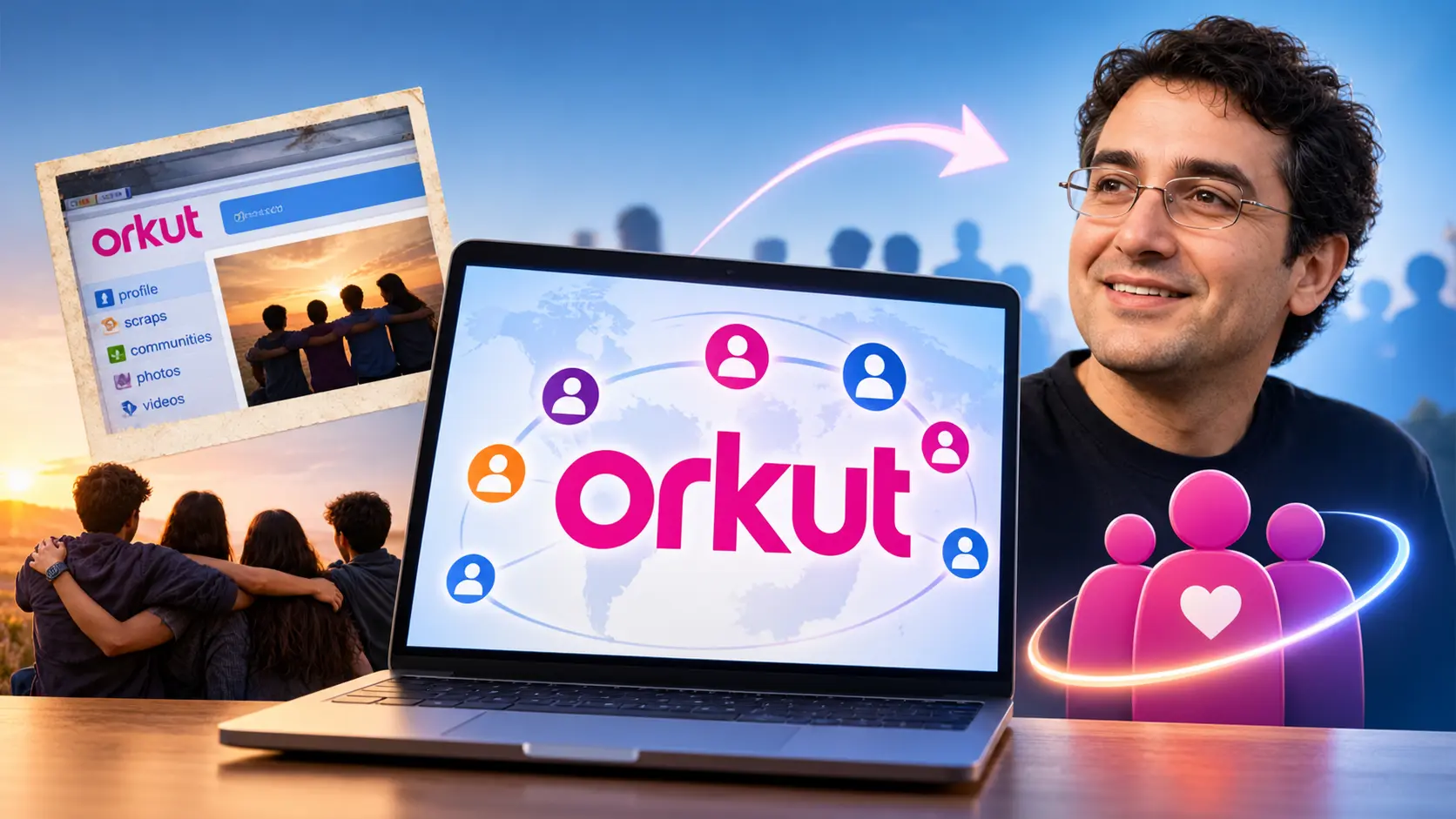
Orkut Büyükkökten, the creator of the once-popular social networking platform Orkut, is exploring the possibility of bringing the iconic service back, with a renewed focus on authentic relationships, meaningful interactions, and a stronger sense of community.
On October 9, Büyükkökten invited internet users to support his vision by signing a petition on the Orkut website. The initiative had attracted more than 270,000 signatures by that date, with Brazil accounting for a significant share of the support. People from countries including Portugal, Ireland, and Paraguay had also expressed interest.
In a post on X, Büyükkökten emphasised the importance of using the internet to help people find communities where they feel connected and accepted. His message suggested that a potential revival would aim to bring people together rather than simply provide another platform for sharing updates and content.
Launched in January 2004, Orkut became one of the early platforms to introduce millions of people to online social networking. Büyükkökten developed the service while working at Google, initially as a side project.
The platform allowed users to create personal profiles, connect with friends, exchange messages, and participate in communities built around shared interests. Its simple design and community-driven features helped it develop a particularly strong following in India and Brazil.
At its peak, Orkut had more than 300 million users worldwide, making it a significant player in the early social media landscape. However, as Facebook expanded internationally and improved its features, Orkut gradually lost ground in important markets.
Facebook overtook Orkut in India in July 2010 and in Brazil in December 2011, according to Comscore audience data. Despite its popularity in these countries, Orkut struggled to maintain the same momentum across other major markets.
Google eventually decided to discontinue the service. The company announced the closure on June 30, 2014, and shut down Orkut on September 30 that year, explaining that other social products, including YouTube, Blogger, and Google+, had gained greater traction.
Büyükkökten's interest in building online communities did not end with Orkut. He went on to develop additional social networking products, including Hello.com, which he positioned around connecting people through shared interests and passions.
Rather than relying primarily on existing friendship networks, Hello sought to help users discover others with similar interests, personalities, and backgrounds. The concept reflected Büyükkökten's broader belief that social platforms should encourage people to form new relationships instead of limiting interactions to people they already know.
His latest effort to revive Orkut appears to draw on a similar philosophy. The petition calls for a new social network centred on genuine connections and a stronger sense of belonging.
However, the initiative remains at the expression-of-interest stage. The petition's growing support indicates that the platform still holds considerable nostalgic value for former users, but it does not establish whether a relaunched service will become available or what features it might offer.
The proposed revival comes at a time when social networking has changed considerably since Orkut's early years. Smartphones, algorithm-driven feeds, short-form videos, and instant messaging have transformed how people communicate online.
Modern social platforms compete not only for users but also for their attention, with engagement and time spent on services playing important roles in their business models. Büyükkökten's emphasis on authentic connections suggests a different approach, one that prioritises meaningful relationships and community over endless scrolling.
Nevertheless, rebuilding a platform with Orkut's legacy would present significant challenges. A new service would need to offer a compelling experience for existing fans while attracting younger users who have never used the original platform. It would also need to address contemporary expectations around privacy, security, moderation, and responsible platform design.
For now, the petition offers an early indication of the interest surrounding Büyükkökten's idea. Whether that enthusiasm translates into a full-fledged relaunch remains uncertain.
What is clear is that Orkut's legacy continues to resonate with people who remember it as an important part of their early internet experience. A successful revival would need to recreate the sense of community that made the original platform distinctive while adapting to the realities of today's digital world.
请先 以发表评论
暂无评论
成为第一个发表评论的人。
@heloix_news
Tech
@heloix_news
Tech

@heloix_news
Tech

订阅以获取前沿技术、业务增长与数字化转型的最新资讯。