
HN
@heloix_news
HealthTech

Simplifying Metabolic Health: Inside EYVA’s Pocket-Sized, Non-Invasive Biosensing Revolution
#EYVA#metabolichealth#biosensing
Comment
288
Shamita
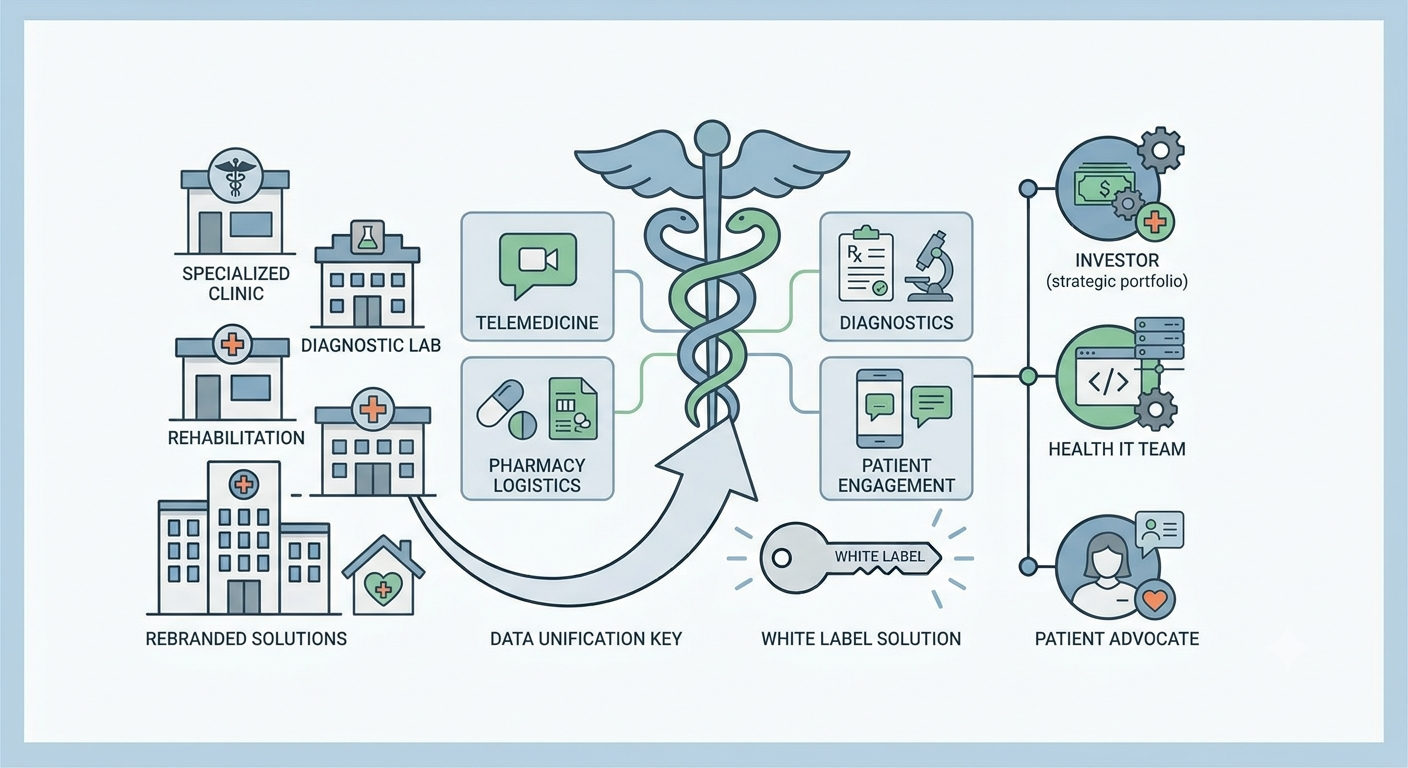
The global healthcare sector is undergoing an unprecedented digital revolution. Hospitals, clinics, diagnostic laboratories, and specialized care centers are rapidly moving away from paper-based records and fragmented legacy tools. In their place, integrated digital ecosystems are becoming the backbone of modern clinical operations. For visionary tech founders and investors, entering the HealthTech sector presents a phenomenal high-growth opportunity.
Among the various healthcare technologies driving this shift, investing in a ready to launch hospital management system stands out as one of the most profitable and strategically sound business ventures. Rather than spending years and fortunes engineering a medical platform from scratch, entrepreneurs are leveraging ready-made architectures to enter the market with speed and confidence.
If you are evaluating your next big SaaS venture, here are the top 5 reasons entrepreneurs are heavily investing in hospital management systems today.
Healthcare providers worldwide are under immense pressure to enhance patient care quality while simultaneously reducing operational friction. Hospitals deal with massive volumes of daily data—including patient admissions, electronic health records (EHR), pharmacy inventories, billing logs, and laboratory results.
A comprehensive hospital management system (HMS) acts as the central nervous system of a medical facility. It seamlessly connects disparate departments, allowing doctors, nurses, pharmacists, and administrative staff to access critical information in real-time. Because modern medical institutions can no longer function efficiently on manual workflows, the market demand for robust hospital software is continuous, urgent, and expanding rapidly.
For startup founders and investors, achieving predictable, recurring revenue is a primary objective. Hospital management software is typically sold through a Software-as-a-Service (SaaS) subscription model, structured around monthly or annual licensing fees based on bed capacity, user licenses, or facility size.
Extremely Low Churn: Once a hospital or clinic integrates an HMS into its daily operations, migrating to a different software vendor is a complex, high-stakes undertaking. Consequently, medical software platforms enjoy exceptionally high customer retention and long-term loyalty compared to standard consumer or retail applications.
High Lifetime Value (LTV): Institutional contracts mean that the lifetime value of a single client is substantial, giving founders stable cash flow predictability to reinvest into product scaling and market expansion.
Developing an enterprise-grade medical ERP from scratch is a daunting engineering challenge. It requires massive capital investment, rigorous compliance with medical data regulations (such as HIPAA or GDPR), complex database security, and years of iterative testing.
This is why many entrepreneurs choose to acquire a hospital management system source code license. Utilizing pre-built, fully tested source code allows founders to bypass the heavy lifting of core software development. You can instantly rebrand the platform, customize workflows to match local healthcare requirements, and begin pitching to clinics and hospitals with a minimal time-to-market.
A well-structured hospital management platform is not restricted to a single flat-rate subscription fee. It creates an expansive ecosystem for diverse revenue streams that can significantly maximize your profit margins:
Tiered Subscription Plans: Charging basic fees for small outpatient clinics while scaling pricing up for large multi-specialty hospitals requiring advanced modules.
Value-Added Modules: Offering specialized paid add-ons such as telemedicine video consultation gateways, automated SMS/WhatsApp patient appointment reminders, advanced radiology PACS integration, or biometric attendance systems.
Transactional & Integration Fees: Generating auxiliary revenue through secure integrated payment gateways for medical billing and insurance claim processing.
Many modern entrepreneurs look for business ventures that offer a deep sense of purpose alongside robust financial profitability. Healthcare is a fundamental human necessity, and by optimizing how hospitals operate, your software directly assists medical professionals in saving lives and improving patient outcomes.
When administrative bottlenecks are eliminated, doctors can spend more time caring for patients, waiting times are drastically reduced, and medical errors caused by manual paperwork are minimized. Knowing that your technology empowers better healthcare delivery provides a uniquely fulfilling dimension to your entrepreneurial journey.
The intersection of medicine and technology represents one of the most resilient and lucrative markets of the modern era. By leveraging existing architectural assets rather than building from scratch, you drastically minimize development risks and position your brand to capture a lucrative share of the HealthTech industry.
If you are ready to launch hospital management system products into the market, now is the ideal moment to evaluate your technical roadmap, secure your platform source code, define your target healthcare niche, and start building your scalable tech enterprise.
Visual Description: A bright, high-tech modern hospital control center or startup office. A diverse team of entrepreneurs and healthcare technology consultants are reviewing a sleek, multi-monitor setup. One screen displays a comprehensive hospital management dashboard with patient occupancy analytics, emergency department tracking charts, and financial graphs. On the main desk, a laptop displays clean source code alongside architectural diagrams. The lighting is crisp and professional, projecting an atmosphere of innovation, medical trust, and cutting-edge software engineering.
Please to post a comment
No comments yet
Be the first to share your thoughts.
@heloix_news
HealthTech
@heloix_news
HealthTech

@heloix_news
HealthTech

Subscribe for the latest on technology, business growth and digital transformation.