
HN
@heloix_news
Launch
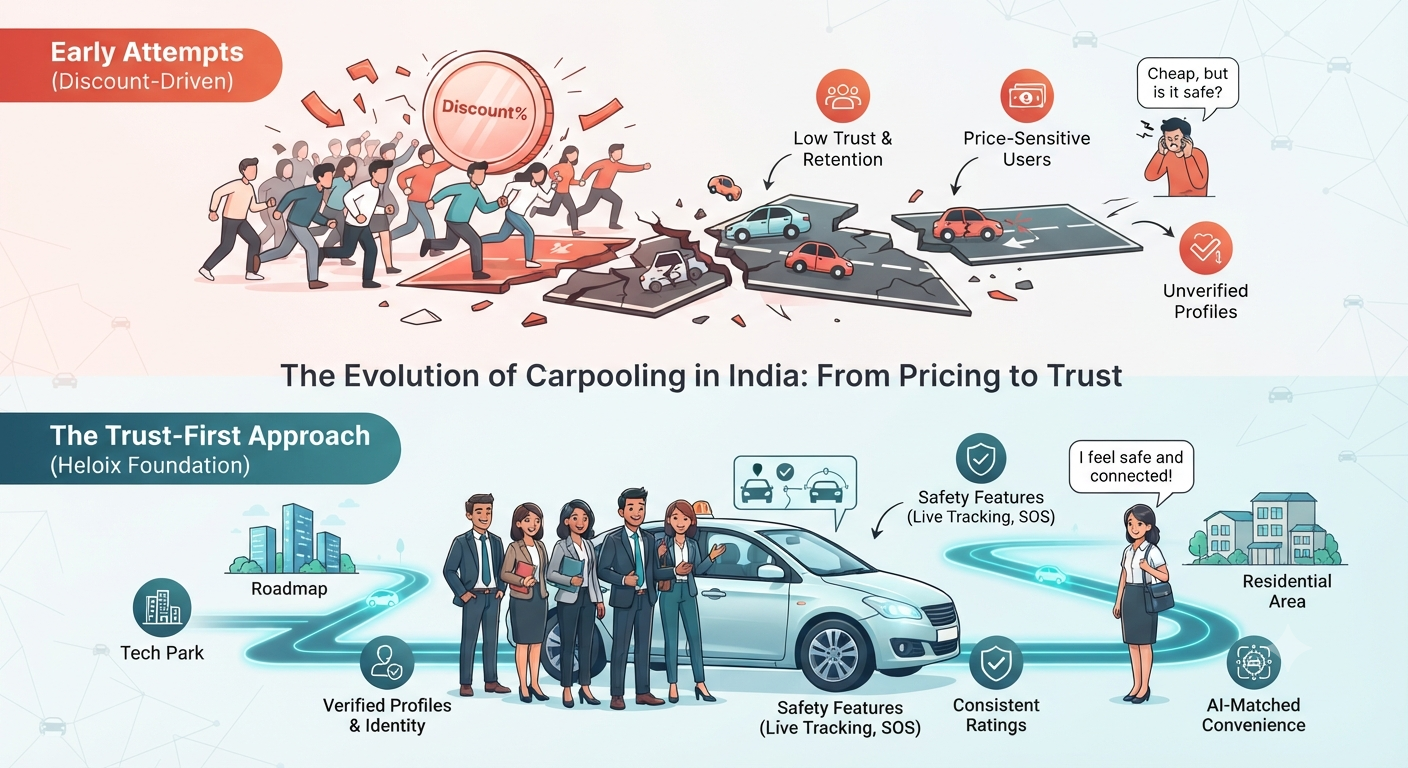
Carpooling Apps Are Making a Real Comeback in India, This Time Built Around Trust Signals, Not Just Discounts
#apps#carpooling
Comment
370
Shamita

The global hospitality and tourism industry has rebounded vigorously, with properties worldwide accelerating their digital transformation. Independent boutique hotels, resorts, and large chain properties are actively moving away from legacy management tools and manual booking logs, adopting cloud-native software instead. For tech founders and software entrepreneurs, establishing a hotel booking system SaaS platform represents a high-margin, incredibly resilient business opportunity.
Whether you are looking to launch hotel booking system operations or seeking software architectures that are ready to launch hotel booking system solutions into the market, understanding the core drivers is vital.
Here are the top 5 reasons entrepreneurs are heavily investing in hotel booking systems today.
Hotels are under continuous pressure to reduce their heavy reliance on third-party online travel agencies (OTAs) that charge steep commission percentages per booking.
Direct Revenue Retention: Properties desperately need independent, high-converting booking engines embedded directly into their websites to maximize direct bookings and protect their profit margins.
Operational Efficiency: Cloud-based automation helps hotels combat labor shortages and rising administrative costs by streamlining check-ins, guest messaging, and housekeeping workflows.
For startup founders and software investors, cash flow predictability is a primary advantage. Hotel booking systems are predominantly distributed via a Software-as-a-Service (SaaS) subscription model, structured through monthly or annual recurring fees tiered by property room count or feature modules.
Low Churn Rates: Once a hotel integrates a booking engine and Property Management System (PMS) into its core daily operations, room inventories, and billing workflows, switching to a competitor creates major operational disruption. This results in exceptional customer retention.
Compounding Lifetime Value (LTV): As your hotel clients expand their room inventory or open new branch locations, your platform scales organically alongside them, securing reliable long-term revenue.
Building a complete hotel commerce engine from scratch is an immense engineering task. It requires real-time channel manager synchronization (with platforms like Booking.com and Expedia), multi-currency payment gateways, dynamic pricing rules engines, and secure mobile booking flows.
This is why many entrepreneurs leverage turn-key frameworks that are ready to launch hotel booking system solutions right out of the box. By utilizing modular white-label software, founders can bypass years of core development, minimize upfront capital expenditure, and begin onboarding independent hotels and resorts immediately.
A well-structured hotel booking platform serves as a central hospitality hub, opening up expansive avenues for auxiliary revenue generation:
Tiered Subscription Plans: Charging base monthly fees for basic reservation tools while gating advanced features—such as automated revenue management, multi-property management, and AI guest messaging—on higher pricing tiers.
Transaction & Payment Processing Fees: Earning micro-percentages or gateway handling markups on every reservation payment processed through the platform.
Value-Added Marketplace Modules: Monetizing third-party integrations like digital concierge services, smart room IoT controls, and spa booking add-ons.
Modern hoteliers depend heavily on data intelligence to remain competitive. Contemporary hotel booking platforms leverage artificial intelligence to power predictive analytics, automated upsell recommendations, and real-time dynamic pricing algorithms that adjust room rates based on local demand fluctuations, seasonal trends, and competitor rates.
When your software helps hotels increase their RevPAR (Revenue Per Available Room) and optimize occupancy, you deliver an indispensable business utility that practically sells itself.
The global hospitality software market is scaling rapidly toward multi-billion-dollar valuations, driven by continuous digital adoption across independent properties and emerging regional markets. By leveraging ready-to-launch software frameworks, you can bypass heavy engineering roadblocks and establish a scalable B2B travel-tech brand.
If you are ready to launch hotel booking system solutions, now is the ideal time to define your target hospitality niche, secure your software architecture, and start onboarding hotels looking for digital growth.
Please to post a comment
No comments yet
Be the first to share your thoughts.
@heloix_news
Launch
@heloix_news
Launch
@heloix_news
Launch

Subscribe for the latest on technology, business growth and digital transformation.