
HN
@heloix_news
Growth

How to Launch a Hotel Booking System in Just 3 Days
#HotelBookingSystem#HotelBookingPlatform#OnlineHotelBooking
Comment
412
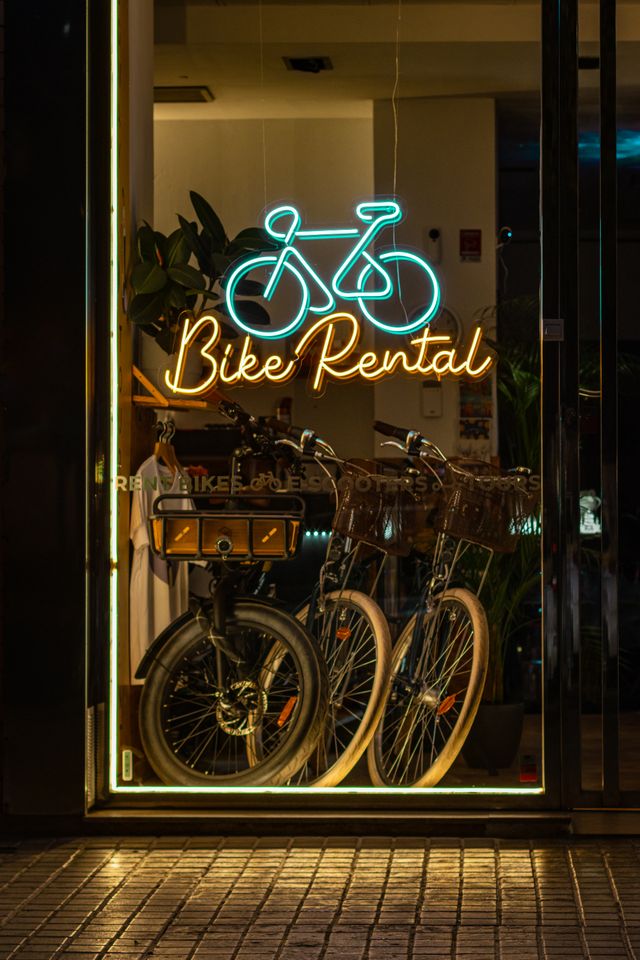
Starting a bike rental business can be an attractive option for entrepreneurs who want to enter the transportation and mobility market without building a traditional taxi or car rental company. Bikes are easier to park, generally cheaper to maintain than cars, and can be useful for tourists, students, commuters, delivery workers, and local residents.
The business can work in tourist destinations, college towns, busy cities, and areas where customers need affordable short-distance transportation.
If you are planning to enter this market in 2026, this bike rental business startup guide explains the main steps involved, from choosing your business model to managing bookings, payments, bikes, and customers.
A bike rental business allows customers to rent motorcycles, scooters, electric bikes, or bicycles for a specific period.
Depending on your target market, customers may rent a bike for a few hours, one day, several days, or even longer.
For example, a tourist visiting a city may rent a scooter for three days. A student might rent an electric bike for a month. A delivery worker could rent a motorcycle on a weekly basis.
This gives you several ways to structure your rental business.
You can operate from a physical rental location, provide online booking, offer delivery and pickup, or combine several of these options.
Before buying bikes, decide what type of rental service you want to operate.
Motorcycles and scooters are popular in cities and tourist destinations because customers can travel longer distances.
You could offer different models based on price, engine size, mileage, and customer requirements.
Bicycle rentals can work well near tourist attractions, beaches, parks, universities, and residential areas.
They also require less fuel-related expenditure and may be easier to maintain.
Electric bikes are another option for short-distance transportation. They can appeal to customers who want a convenient alternative to conventional vehicles.
Your choice should depend on local demand rather than simply following a trend.
Market research should happen before you invest heavily in your fleet.
Start by identifying who is likely to rent your bikes.
Your customers could include:
Tourists
Students
Office workers
Delivery workers
Local commuters
Long-term renters
Travelers staying in hotels and hostels
Look at existing rental companies in your area. Check their bike types, rental prices, security deposits, rental periods, customer reviews, and booking process.
You should also identify locations where customers frequently need transportation.
A rental shop close to hotels may attract tourists, while one near a university may attract students.
A simple business plan can help you understand how much money you need and how the business could operate.
Your plan should cover:
Target customers
Type of bikes
Number of bikes
Purchase or leasing costs
Rental pricing
Insurance and permits
Maintenance costs
Staff requirements
Marketing expenses
Booking system
Expected operating costs
You do not need a complicated document when starting out. The purpose is to understand the numbers before spending your money.
For example, buying 10 motorcycles creates a different financial requirement from starting with three scooters and gradually expanding the fleet.
Starting with a manageable fleet can reduce your initial risk.
Instead of purchasing dozens of bikes immediately, you could begin with a smaller number and monitor demand.
Suppose you start with five motorcycles. You can track how frequently they are rented, which models receive the most requests, and which days generate the most bookings.
If demand remains strong, you can add more bikes.
This approach also gives you time to improve your booking process and customer service before managing a larger fleet.
Legal requirements vary depending on your country, state, and city.
Before launching, check the licenses, registrations, insurance requirements, commercial vehicle rules, tax requirements, and local permissions that apply to your business.
You should also establish clear rental terms.
Your agreement can explain:
Rental duration
Payment requirements
Security deposit
Cancellation rules
Late-return charges
Damage responsibility
Fuel policy
Accident procedures
Required customer documents
For motorcycle and scooter rentals, verify that customers have the appropriate driving license and meet any local legal requirements.
Safety should be part of the rental process. Helmets, vehicle inspections, emergency contact information, and basic customer instructions can help create a safer experience.
Customers increasingly expect to check availability and make bookings online.
A basic rental platform can allow customers to:
Select a bike.
Choose a rental date.
Select the rental duration.
Enter their details.
Upload required documents if necessary.
Make a payment or reservation.
Receive booking confirmation.
Your business can also use the system to manage bike availability.
For example, if a motorcycle is already booked from October 10 to October 13, those dates should not be available to another customer.
A ready-made software platform from a provider such as heloix.com can help businesses launch a rental-related digital service without developing every software component from scratch.
Pricing needs to cover your operating costs while remaining understandable to customers.
You could offer hourly, daily, weekly, and monthly rental options.
For example:
Hourly rental for short trips
Daily rental for tourists
Weekly rental for temporary transportation
Monthly rental for long-term users
You can study competitor prices in your area and calculate your own costs before setting rates.
Remember to account for maintenance, insurance, taxes, depreciation, cleaning, staff, storage, marketing, and payment processing fees.
Discounts can also encourage longer rentals.
A rental bike needs regular maintenance because it may be used by different customers every day.
Create a maintenance schedule for each vehicle.
Check items such as:
Brakes
Tires
Lights
Battery
Engine or motor
Oil
Chains
Mirrors
Horn
General body condition
You should inspect the bike before handing it to a customer and again after it is returned.
Keeping maintenance records for every bike can help you identify recurring problems and prevent vehicles from remaining unavailable for long periods.
A complicated booking process can cause customers to leave before completing a reservation.
Keep the steps straightforward.
Customers should quickly understand the available bikes, rental prices, requirements, pickup location, and payment options.
Your website should also work properly on mobile devices because many customers will search for rental services while traveling.
Include clear photographs of your bikes and provide important information such as engine capacity, seating capacity, luggage space, mileage, or battery range where relevant.
Once your service is ready, you need customers to find it.
Start with local marketing.
Create a Google Business Profile and make sure your business name, phone number, location, opening hours, and website are accurate.
You can also promote your service through:
YouTube
Local travel websites
Hotel partnerships
Hostel partnerships
Tourism businesses
Local search optimization
Referral programs
If you operate in a tourist destination, partnerships with hotels and travel agencies can be particularly useful.
Encourage satisfied customers to leave genuine reviews. Reviews can help people who are comparing rental services before making a booking.
Once you launch bike rental business operations, keep track of the numbers.
Some useful metrics include:
Number of bookings
Average rental duration
Revenue per bike
Fleet utilization
Repeat customers
Cancellation rate
Maintenance expenses
Customer acquisition cost
For example, if you own 10 bikes but only three are regularly rented, buying additional bikes may not be the right next step.
Your data can show which models and rental periods are actually generating demand.
Launching a rental company involves more than purchasing bikes and putting them outside a shop.
You need a clear customer group, suitable vehicles, legal compliance, pricing, maintenance, booking management, and marketing.
Start with a fleet that you can manage comfortably. Test your booking process with real customers. Listen to complaints and questions because they can reveal problems in your process.
As the business grows, you can add more vehicles, introduce longer rental plans, expand to additional locations, or provide delivery and pickup services.
A bike rental business can be built around a relatively simple idea: give customers convenient access to transportation without requiring them to purchase a vehicle.
The challenge is creating a system that keeps the bikes available, maintained, legally compliant, and easy to book.
If you are preparing your bike rental business startup guide, begin by researching your local market and identifying your target customers. Then calculate your costs, choose an appropriate fleet, set up the required legal and operational processes, and build a simple booking experience.
You do not need to start with a huge fleet. A smaller operation can give you the opportunity to understand customer demand and improve your business before expanding.
With careful planning and consistent service, a bike rental operation can grow from a small local service into a larger mobility business.
Please to post a comment
No comments yet
Be the first to share your thoughts.
@heloix_news
Growth
@heloix_news
Growth
@heloix_news
Growth

Subscribe for the latest on technology, business growth and digital transformation.