
HN
@heloix_news
Fintech

How to Launch a Crypto Exchange Platform in Just 3 Days
#CryptoExchangePlatform#CryptocurrencyExchange#CryptoTrading
تعليق
1.1K
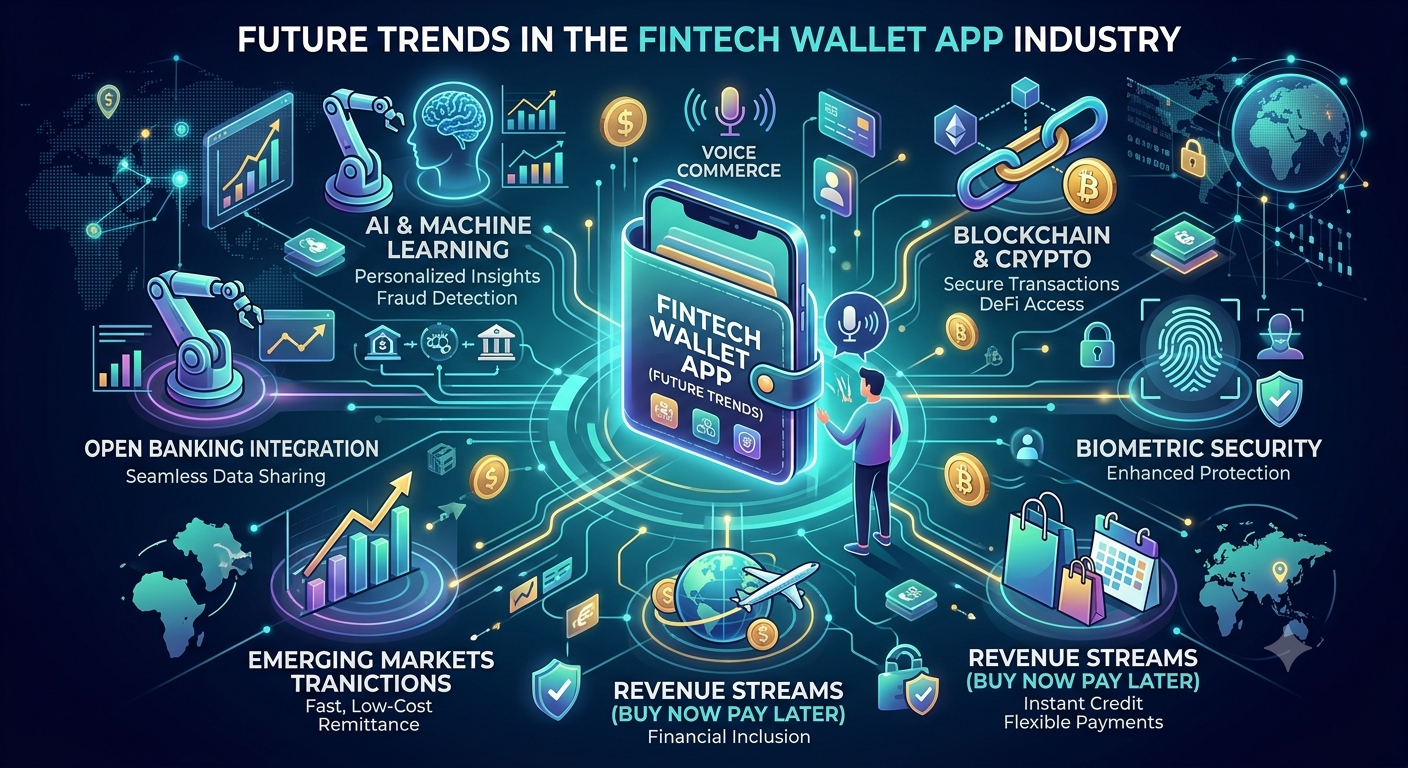
The financial technology industry is entering another phase of rapid development as digital wallets become a familiar part of everyday payments. From mobile payments and peer-to-peer transfers to loyalty programs and financial services, wallet apps are expanding beyond their original role as simple payment tools. For entrepreneurs, these changes are creating new opportunities to launch fintech wallet app businesses aimed at specific customer groups and use cases.
Digital Wallets Are Becoming More Than Payment Apps
Modern wallet platforms are increasingly designed as broader financial ecosystems. Users may expect a single application to support payments, money transfers, bill payments, rewards, transaction tracking and other financial services.
This shift is encouraging startups to develop specialized products rather than competing only on basic payment functionality. A wallet focused on freelancers, small businesses, students, travelers or cross-border users can address specific financial needs while creating a clearer market position.
AI Could Make Wallets More Personalized
Artificial intelligence is expected to play a growing role in financial applications. Wallet providers can use AI-based systems to analyze transaction patterns, identify unusual activity and provide personalized financial insights.
For example, future wallet applications could offer automated spending summaries, customized budgeting suggestions and timely notifications. AI can also support customer service by handling routine questions and helping users navigate common account-related tasks.
However, financial applications will need strong privacy, security and regulatory practices as they adopt these technologies.
Security Will Remain a Major Priority
As digital wallets handle increasingly sensitive financial information, cybersecurity will remain one of the industry's central concerns. Biometric authentication, device-based security, tokenization, encryption and transaction monitoring are among the technologies being used to strengthen digital payments.
Future wallet startups are likely to place security at the center of product design rather than treating it as an additional feature. Building customer trust will be particularly important for new companies entering a competitive fintech market.
Embedded Finance Could Expand Wallet Opportunities
Another important trend is the growth of embedded financial services. Businesses outside traditional banking can integrate payments and financial features directly into their digital platforms.
This could create opportunities for wallet startups to develop solutions for online marketplaces, retail platforms, transportation businesses and other digital services. Instead of operating as standalone payment products, wallets may increasingly become part of larger digital ecosystems.
Faster Development Is Changing Startup Entry
Technology platforms and ready-made solutions are also changing how entrepreneurs approach fintech product development. Instead of building every component from scratch, founders can explore customizable technologies that reduce development time and help them test business ideas more efficiently.
For entrepreneurs researching a fintech wallet app startup guide, understanding the target market, payment infrastructure, compliance requirements, security standards and monetization model remains essential before development begins.
Businesses that are ready to launch fintech wallet app solutions can focus on identifying a specific customer problem and creating a secure, convenient user experience around it.
The Road Ahead
The future of the FinTech wallet app industry is likely to be shaped by personalization, stronger security, embedded finance and increasingly specialized financial products. Entrepreneurs planning to launch fintech wallet app businesses will need to balance innovation with reliability, privacy and regulatory requirements.
As digital financial services continue evolving, wallet applications could become increasingly integrated into the everyday digital experiences of consumers and businesses. For startups, the opportunity lies not simply in creating another payment app, but in building a useful financial platform that solves a clearly defined problem.
يُرجى لنشر تعليق
لا توجد تعليقات بعد
كن أول من يشارك برأيه.
@heloix_news
Fintech
@heloix_news
Fintech

@heloix_news
Fintech

اشترك لتصلك أحدث المستجدات حول التكنولوجيا ونمو الأعمال والتحول الرقمي.