
HN
@heloix_news
Launch
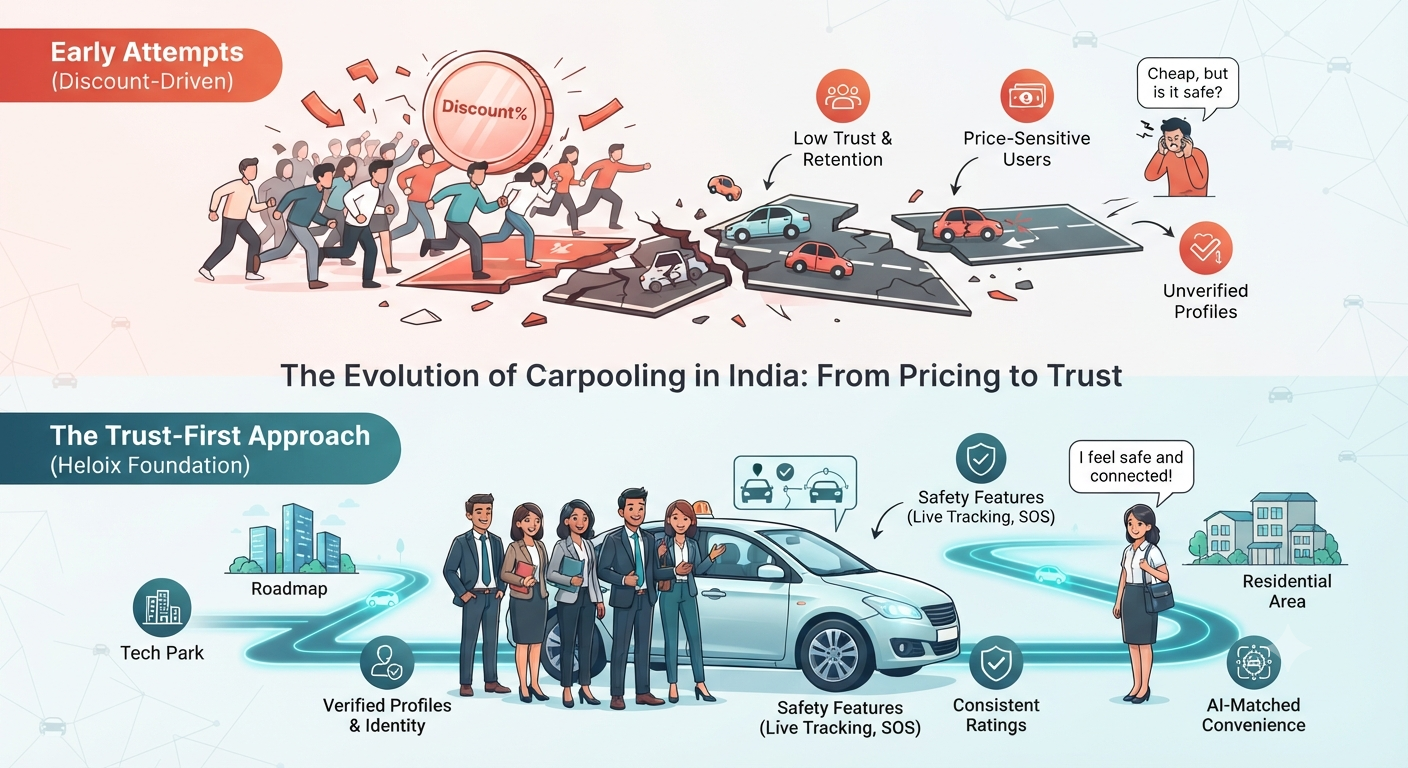
Carpooling Apps Are Making a Real Comeback in India, This Time Built Around Trust Signals, Not Just Discounts
#apps#carpooling
Comment
615
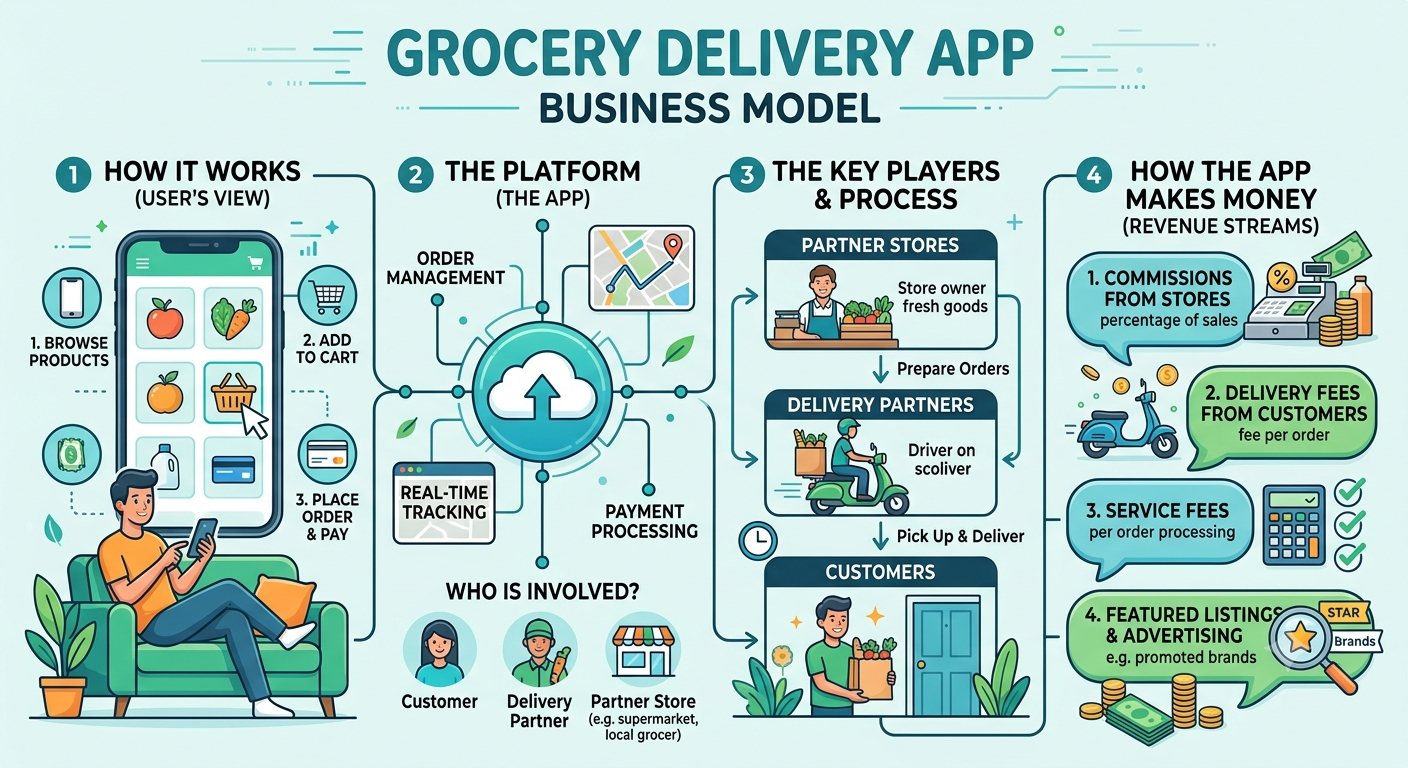
The global online grocery market has experienced rapid growth over recent years. Driven by busy urban lifestyles, contactless ordering habits, and a demand for speed, millions of households now rely on smartphones to buy everyday essentials, fresh produce, and household staples. At the heart of this retail shift is the grocery delivery app business model.
For entrepreneurs, launching a digital grocery ordering and fulfillment platform offers an incredible opportunity to capture daily, high-frequency consumer spending. In this comprehensive guide, we will break down how the grocery delivery app model operates, explore its primary revenue streams, examine how ready-to-launch software enables a 3-day launch, and provide a clear step-by-step roadmap to get your app off the ground.
A grocery delivery app is an integrated software ecosystem that connects consumers seeking fresh groceries with local supermarkets, dark stores, or independent grocery vendors, utilizing a fleet of delivery drivers to fulfill orders in real time or within scheduled time slots.
Instead of managing physical store infrastructure or lease agreements, the grocery app platform acts as a digital marketplace and logistics orchestrator. It streams real-time store inventories, accepts digital payments, dispatches pickers or delivery agents, and tracks orders directly to the customer's doorstep.
┌──────────────────────────────────────────────────────────┐
│              Grocery App Platform Engine                 │
│      (Catalog Sync, Route Optimization & Payments)       │
└───────────────┬──────────────────────────────┬───────────┘
                │                              │
                ▼                              ▼
  ┌──────────────────────────┐   ┌──────────────────────────┐
  │ Local Grocery Stores /   │   │     End Customers        │
  │ Dark Stores / Suppliers  │   │  (Ordering & Tracking)   │
  └──────────────────────────┘   └──────────────────────────┘
Aggregator / Marketplace Model: The platform lists multiple local third-party supermarkets and specialty shops. Stores package the items, while the platform or local partner drivers handle delivery (e.g., Instacart, Uber Eats Grocery).
Inventory-Backed / Dark Store Model: The platform owns or leases small, strategic neighborhood micro-warehouses ("dark stores") stocked with high-turnover inventory to achieve ultra-fast delivery (e.g., 10-to-30-minute delivery apps).
Hybrid Model: Combining partnerships with local hypermarkets for broad SKU selection alongside proprietary micro-hubs for high-demand everyday essentials.
Grocery platforms leverage multiple monetisation streams to ensure profitability on small-margin consumer items:
| Revenue Stream | Description & Mechanism |
| Delivery & Service Fees | Standard delivery charges, distance-based delivery fees, or small order surcharges paid directly by the end customer. |
| Merchant Commissions | A pre-negotiated percentage fee (typically 10% to 20%) deducted from each completed order placed through a partner merchant’s store catalog. |
| Item Price Markup | Setting nominal retail markups on listed digital store items in agreement with partner suppliers. |
| Subscription Memberships | Monthly or annual consumer pass programs (e.g., "Grocery VIP Pass") offering free delivery, lower service fees, and exclusive discounts for a recurring subscription fee. |
| In-App CPG Advertising | Charging Consumer Packaged Goods (CPG) brands and food manufacturers for featured product placements, top search banner spots, and promotional campaign inclusions. |
To manage orders, stock, and logistics seamlessly, a complete grocery delivery system consists of three distinct interfaces:
Customer Ordering App (iOS, Android & Web): Real-time product search, category filtering, cart management, address geocoding, scheduled or instant delivery selection, payment gateway, and live GPS delivery tracking.
Delivery Agent App: Instant order acceptance notifications, turn-by-turn navigation maps, order item checklists, customer contact tools, and daily earnings analytics.
Store / Super Admin Panel: Centralized dashboard for managing merchant profiles, inventory/SKU updates, order assignments, platform commissions, customer support tickets, and performance metrics.
Building a multi-app grocery architecture from scratch—with native mobile front-ends, complex backend routing, and stock sync engines—takes over 6 months of software development and tens of thousands of dollars.
To launch rapidly, modern founders use ready-to-launch white-label grocery platforms. By deploying pre-built, production-ready software suites, you can achieve a 3-day launch timeline:
Day 1 — Branding & Configuration: Apply custom logos, primary brand colors, map custom domains, and configure store operating regions and delivery fee rules.
Day 2 — Catalog Upload & Store Onboarding: Import product databases via CSV/API, set up pricing tiers, and train initial store managers and pickers on store admin panels.
Day 3 — Payment Setup & App Store Deployment: Connect automated payment gateways (such as Stripe, Razorpay, or PayPal), submit app packages to app stores or web hosts, and go live to end users.
By utilizing software business platforms like Heloix, entrepreneurs get complete turnkey solutions with optional full source code access, ensuring zero developer lock-in and immediate deployment capability.
  ┌──────────────────────────────────────────────────────────┐
  │ 1. Define Delivery Radius & Service Strategy             │
  └─────────────────────────────┬────────────────────────────┘
                                │
                                ▼
  ┌──────────────────────────────────────────────────────────┐
  │ 2. Deploy a Turnkey Ready-to-Launch App Engine           │
  └─────────────────────────────┬────────────────────────────┘
                                │
                                ▼
  ┌──────────────────────────────────────────────────────────┐
  │ 3. Onboard Local Supermarkets & Catalog SKUs            │
  └─────────────────────────────┬────────────────────────────┘
                                │
                                ▼
  ┌──────────────────────────────────────────────────────────┐
  │ 4. Recruit & Equip Initial Delivery Drivers              │
  └─────────────────────────────┬────────────────────────────┘
                                │
                                ▼
  ┌──────────────────────────────────────────────────────────┐
  │ 5. Launch Hyper-Local Neighborhood Marketing             │
  └─────────────────────────────┬────────────────────────────┘
                                │
                                ▼
  ┌──────────────────────────────────────────────────────────┐
  │ 6. Optimize Fulfillment Speed & Customer Retention       │
  └─────────────────────────────┴────────────────────────────┘
Focus initially on a single dense neighborhood or city zone rather than attempting a wide launch. Decide whether you will focus on broad-selection 2-hour scheduled delivery, niche organic/specialty goods, or ultra-fast instant neighborhood delivery.
Select a robust ready-to-launch grocery delivery engine. Set up your master admin portal, configure local currency rules, attach SSL domains, and verify real-time geolocation services for live driver tracking.
Partner with local supermarkets, organic food markets, or regional distributors. Help them upload accurate product catalogs, including high-resolution images, clear category taxonomies, weight measurements, and live stock counts.
Recruit local delivery personnel equipped with bicycles, scooters, or cars:
Implement simple onboarding verification checks (ID checks, vehicle licenses).
Conduct brief training on using the driver app, handling fragile grocery items, and ensuring temperature control during transport.
Equip drivers with branded delivery bags or insulated thermal carriers.
Drive localized awareness around your immediate delivery radius:
Door-to-Door & Flyer Campaigns: Distribute promotional flyers featuring discount coupon codes for first-time orders to nearby residential buildings.
Geo-Targeted Social Advertising: Run local Facebook and Instagram video ads targeting residents within your exact delivery ZIP codes.
Referral Rewards: Offer "Give $10, Get $10" referral credits to encourage early users to invite neighbors and family members.
Track key performance metrics including average order picking time, delivery route efficiency, out-of-stock item substitution rates, and customer order frequency. Use push notifications and personalized email offers to convert one-time buyers into weekly subscribers.
Please to post a comment
No comments yet
Be the first to share your thoughts.
@heloix_news
Launch
@heloix_news
Launch
@heloix_news
Launch

Subscribe for the latest on technology, business growth and digital transformation.