
HN
@heloix_news
Launch
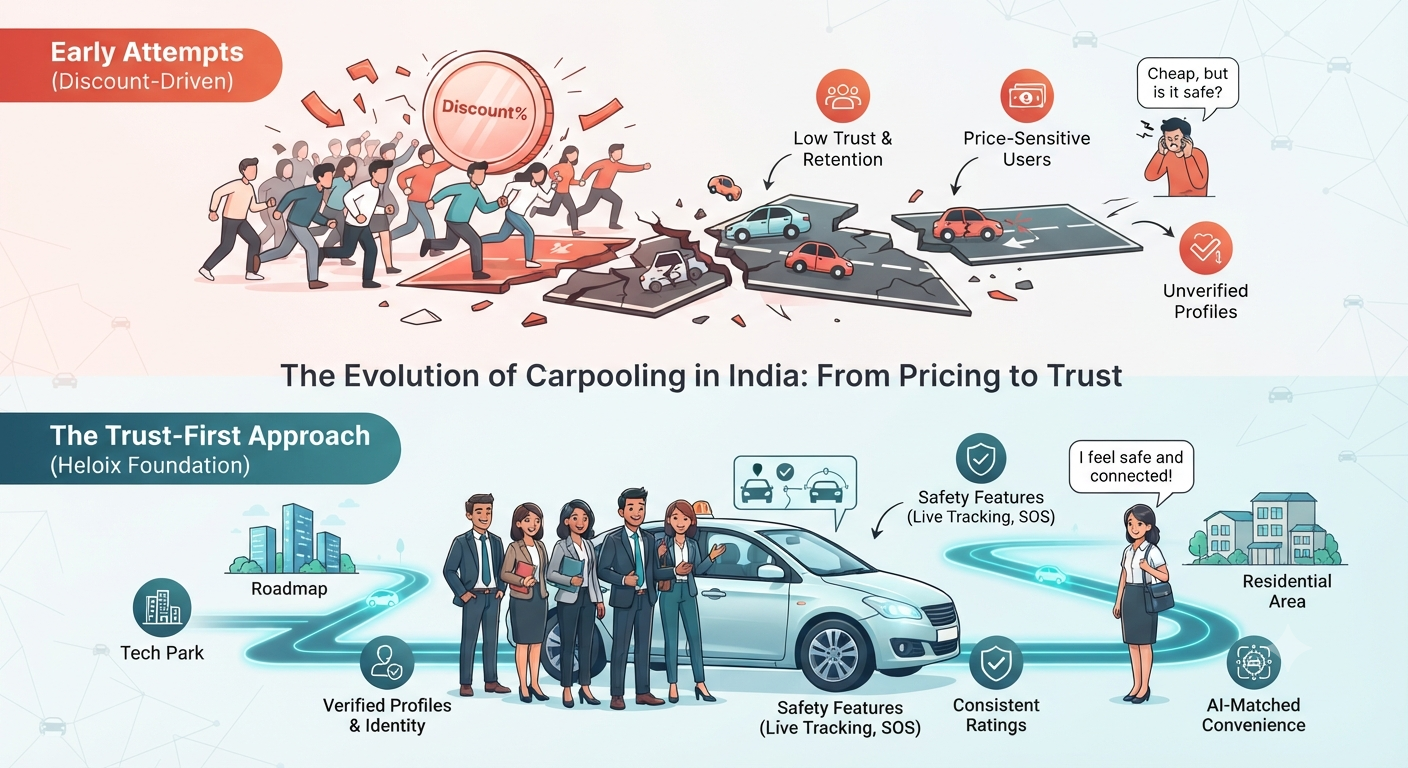
Carpooling Apps Are Making a Real Comeback in India, This Time Built Around Trust Signals, Not Just Discounts
#apps#carpooling
Comment
599

Finding a job is not always easy. Candidates spend hours searching through job listings, updating their resumes, and applying to positions that match their skills. At the same time, companies struggle to find suitable people for their vacancies. A job portal brings these two groups together, making the hiring process easier for everyone involved.
For entrepreneurs, this creates an interesting business opportunity. With more companies hiring online and candidates relying on digital platforms to discover opportunities, starting a job portal can be a practical way to enter the online business market.
However, building a successful job portal involves more than creating a website and publishing job openings. You need to choose the right audience, attract employers, offer useful features, and develop a business model that can generate revenue.
This guide explains how to start a job portal website in 2026, from selecting your niche to launching and growing the business.
A job portal website is an online platform where employers publish vacancies and job seekers search for suitable positions. Depending on its features, the platform may also allow candidates to upload resumes, create profiles, apply for jobs, and receive job alerts.
Popular platforms such as Indeed and LinkedIn have made online recruitment familiar to millions of people. However, a new job portal does not necessarily need to compete with these established companies directly.
Instead, you can focus on a particular industry, location, or type of candidate. For example, a portal dedicated to remote marketing jobs or healthcare recruitment can serve a more specific audience.
This targeted strategy can assist a fledgling company in gaining the trust of potential employers.
The recruitment industry offers several opportunities for entrepreneurs who understand the needs of employers and job seekers.
Here are a few reasons to consider this business.
1. Growing demand for online recruitment
Companies increasingly use online platforms to advertise vacancies and reach potential candidates. A specialized job portal can help employers connect with people who have relevant skills and experience.
2. Multiple revenue opportunities
You can earn money through paid job listings, employer subscriptions, featured vacancies, recruitment services, and other premium features. Your revenue model can evolve as the platform grows.
3. Opportunities in niche markets
Rather than targeting every industry, you can serve a specific group. Examples include fresh graduates, freelancers, healthcare professionals, software developers, or local businesses.
4. Potential for long-term growth
Employers who frequently need new hires might establish a long-term partnership with a helpful job portal. Returning customers can provide more predictable revenue than relying entirely on one-time transactions.
Of course, these benefits depend on demand, competition, and your ability to attract active users.
Before investing in website development, decide who your platform will serve.
This is one of the most important decisions you will make because your niche influences your marketing strategy, website features, pricing, and potential customers.
Here are some job portal website business ideas worth exploring:
IT and technology jobs: Connect software developers, cybersecurity professionals, and other technology specialists with employers.
Remote job portal: Pay attention to companies that provide work-from-home or remote jobs.
Local employment portal: Help businesses in a particular city or region find nearby candidates.
Healthcare recruitment: List opportunities for nurses, medical technicians, and healthcare administrators.
Freshers' job portal: Help graduates and entry-level candidates discover internships and their first jobs.
Freelance opportunities: Connect businesses with independent professionals seeking project-based work.
When selecting your niche, research existing competitors and speak with potential employers. Find out whether they struggle to reach suitable candidates and whether they would pay for a better recruitment platform.
A smaller market with a clear need can be a better starting point than a broad market dominated by established companies.
After you've decided on a specialization, research how current job portals function.
Look at the types of vacancies they publish, the features they offer, and how they attract employers. Pay attention to complaints from users, too. These can reveal opportunities to build something more useful.
Next, determine how your company will generate revenue.
Paid job postings: Employers pay a fixed amount to publish a vacancy for a specified period.
Employer subscriptions: Companies pay monthly or annually for a package that includes multiple job listings and additional features.
Featured listings: Employers pay extra to highlight their vacancies and improve their visibility on the platform.
Resume database access: Employers pay to search a candidate database, provided the platform collects appropriate consent and protects personal information.
Recruitment services: You can offer candidate screening, hiring assistance, or recruitment support for an additional fee.
You do not need to introduce every revenue stream on the first day. Start with a straightforward model, test whether customers are willing to pay, and expand when you understand their needs.
A job portal should make it easy for employers to publish vacancies and candidates to find relevant opportunities.
The features that people require most should be the main emphasis of your first version.
For job seekers:
Account registration and profile creation
Resume upload
Job search and filters
Online job applications
Saved jobs and application tracking
Email notifications for relevant vacancies
For employers:
Company registration and profiles
Job posting and editing
Applicant management
Candidate search, if included in your business model
Paid listing packages
Dashboard for managing vacancies
For administrators:
User and employer management
Job approval and moderation
Payment and subscription management
Reports and website analytics
Tools for removing fraudulent listings
You can add advanced features such as applicant tracking integrations, automated recommendations, and interview scheduling later.
Avoid filling the first version with unnecessary features. A simple website that works reliably is more useful than a complicated platform that confuses its users.
There are two common approaches to developing a job portal.
The first is custom development. You hire developers to build the platform around your specific requirements. This provides greater flexibility but can require a larger budget, more development time, and ongoing technical support.
The second option is to use a ready-made software solution. This can help you launch faster because many essential features are already developed.
For entrepreneurs who want to reduce the time spent on development, heloix.com offers ready-made, customizable software products that can help provide a starting point for building a business platform without developing every component from scratch.
Before choosing any solution, check whether it supports the features your job portal needs, including employer accounts, job listings, candidate applications, payments, mobile responsiveness, and future customization.
Compare the total cost of ownership rather than looking only at the initial purchase price. Hosting, maintenance, updates, security, and third-party integrations can also affect your budget.
Your website design should help visitors find information quickly.
Start with a homepage that clearly explains what the platform offers. Include a prominent job search bar, popular job categories, recently posted vacancies, and an easy way for employers to post jobs.
The search function deserves particular attention. Candidates should be able to filter listings by location, job title, experience level, employment type, and salary range when that information is available.
Make sure the website works well on mobile devices. Many candidates search for jobs using their smartphones, and a difficult mobile experience can discourage them from completing applications.
Website speed, accessible design, clear navigation, and secure account management also contribute to a better experience.
A job portal faces a familiar startup challenge: employers want access to candidates, while candidates want access to relevant vacancies.
You need to attract both groups, but starting with employers can help you build a useful collection of listings.
Contact companies in your chosen niche and explain how your platform can help them reach suitable candidates. Consider offering introductory pricing or a limited number of free listings to encourage early adoption.
You can then promote the portal to job seekers through several channels:
Search engine optimization: Publish useful pages targeting relevant job searches and career-related questions.
LinkedIn: Connect with recruiters, hiring managers, and professionals in your niche.
Social media: Share new vacancies, career advice, and employment updates.
Email newsletters: Notify subscribers about relevant opportunities.
Partnerships: Work with colleges, training institutes, professional communities, and local organizations.
Make sure every job listing is genuine and current. Remove expired vacancies, review suspicious employer accounts, and provide a clear way for users to report misleading advertisements.
Trust is especially important when people share personal information or apply for employment.
SEO can help your job portal attract visitors who are actively searching for employment opportunities.
Create clear job category pages, location-specific pages where you have genuine listings, and useful career resources. Each page should provide real value instead of repeating similar keywords across hundreds of nearly identical pages.
For individual job listings, use accurate job titles, employer details, location information, and application instructions. Where appropriate, implement Google's JobPosting structured data and follow its guidelines. Structured data can make eligible listings available for enhanced search presentation, but it does not guarantee special placement.
Also consider privacy regulations, data protection, secure payments, and applicable employment advertising requirements in your target markets.
Track important metrics such as active job listings, employer registrations, completed applications, returning visitors, and paid conversions. These numbers will help you understand whether the platform is becoming useful to both sides of the hiring process.
Before opening the website to the public, test the complete user journey.
Create test employer and candidate accounts. Publish a vacancy, search for it, submit an application, and verify that notifications and payment features work as expected.
Check the website on different screen sizes and browsers. Confirm that forms are easy to complete, job listings display correctly, and expired vacancies can be removed.
When you launch job portal website, avoid waiting until every possible feature is ready. Start with a reliable core product, a clearly defined niche, and enough genuine listings to make the platform useful.
A soft launch with a small group of employers and candidates can reveal problems before you spend heavily on advertising.
Collect feedback, fix recurring issues, and introduce improvements based on actual user behavior.
Starting a job portal website in 2026 can be a worthwhile business opportunity, but success depends on more than the technology behind it. You need to understand a specific audience, solve a genuine recruitment problem, and give employers and job seekers a reason to return.
If you want to build a ready to launch job portal website, begin by choosing a niche, validating demand, and selecting software that fits your business requirements. Keep the first version focused, prioritize genuine job listings, and invest in marketing once the platform offers a useful experience.
You do not need to become the next Indeed overnight. Building a trusted platform for a specific industry or community can be a sensible first step toward a sustainable online business.
Please to post a comment
No comments yet
Be the first to share your thoughts.
@heloix_news
Launch
@heloix_news
Launch
@heloix_news
Launch

Subscribe for the latest on technology, business growth and digital transformation.