
HN
@heloix_news
Fintech
How to Launch a Crypto Exchange Platform in Just 3 Days
#CryptoExchangePlatform#CryptocurrencyExchange#CryptoTrading
Comment
613
Mahesh P
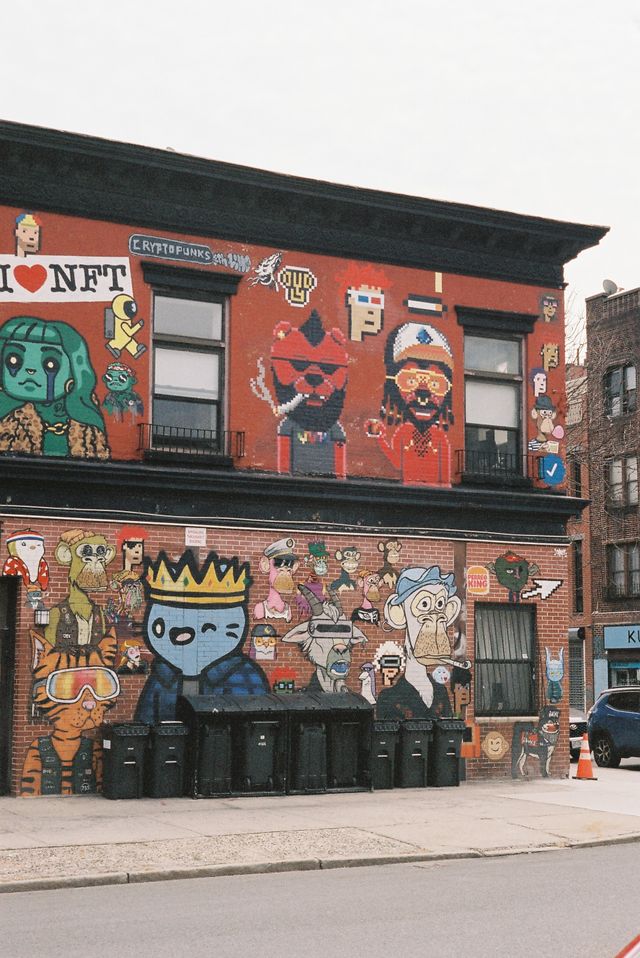
The rise of digital collectibles has created new opportunities for entrepreneurs interested in blockchain technology. Artists can sell digital creations, sports fans can collect memorable moments, and gaming communities can trade virtual assets. NFT marketplaces have made many of these activities possible by bringing buyers and sellers together on a single platform.
However, building a successful NFT marketplace involves more than developing a website and adding digital assets. Entrepreneurs need to understand their audience, establish trust, and give people a reason to return.
Several businesses have already demonstrated different ways to approach this market. Their experiences offer practical lessons for anyone considering starting an NFT marketplace.
Founded in 2017 by Devin Finzer and Alex Atallah, OpenSea became one of the best-known NFT marketplaces. It provides a platform where users can discover, buy, and sell digital assets, including artwork and collectibles.
OpenSea gained widespread attention during the NFT boom of 2021, when digital collectibles attracted interest from artists, investors, and mainstream audiences.
One reason for its appeal was convenience. Instead of searching across individual creators' websites, users could explore numerous collections through a single marketplace.
What can entrepreneurs learn from OpenSea?
Convenience matters. Buyers should be able to browse collections, understand listings, and complete transactions without unnecessary confusion. Sellers also need straightforward tools to showcase their work.
New entrepreneurs do not have to compete with OpenSea across every category. A smaller marketplace focused on independent artists or regional creators could provide a more manageable starting point.
Rarible entered the NFT market in 2020 with a platform for creating, buying, and selling digital collectibles. It also experimented with community participation through its RARI governance token.
Rather than treating users solely as customers, Rarible explored ways to involve its community in decisions about the platform.
This approach reflects an important aspect of NFT businesses: people may value the community surrounding a product as much as the product itself.
What can entrepreneurs learn from Rarible?
A marketplace should offer reasons for users to return. Creator profiles, collection announcements, community events, and promotional opportunities can help establish lasting relationships.
For example, a marketplace serving digital illustrators could feature emerging artists, introduce new collections, and help collectors discover creators they might otherwise overlook.
Community features should serve a genuine purpose. Adding complicated governance systems or tokens without a clear business need can create unnecessary challenges.
NBA Top Shot, developed by Dapper Labs in partnership with the NBA and the National Basketball Players Association, launched in 2020.
The platform allows fans to collect officially licensed digital basketball highlights known as Moments. Instead of focusing on conventional digital artwork, it connects digital ownership with the excitement of professional basketball.
Its concept benefits from an established audience: basketball fans already have favourite players, memorable matches, and iconic moments they want to revisit.
What can entrepreneurs learn from NBA Top Shot?
A specialised marketplace can attract people by connecting with an existing interest.
Entrepreneurs could explore digital collectibles for gaming communities, independent musicians, or licensed entertainment merchandise. However, they must secure the necessary intellectual property rights before offering protected content.
The lesson is simple: successful products give customers a meaningful reason to participate. Attaching an NFT to an ordinary digital file does not automatically create demand.
Magic Eden launched in 2021 as an NFT marketplace associated with the Solana blockchain. It gained recognition for supporting digital collectibles and serving communities interested in blockchain-based assets.
The platform illustrates how a marketplace can establish itself by understanding a particular ecosystem before expanding into additional areas.
Different blockchains have different technical requirements, communities, and transaction costs. Understanding these differences helps businesses design more appropriate user experiences.
What can entrepreneurs learn from Magic Eden?
Start with a clearly defined market instead of trying to serve everyone immediately.
A gaming NFT marketplace, for instance, may need wallet connectivity, asset discovery, and support for the relevant blockchain. A digital photography marketplace might benefit more from detailed creator profiles, licensing information, and high-quality collection displays.
The technology should support the needs of the intended audience rather than simply include every feature competitors offer.
Axie Infinity, developed by Sky Mavis, became widely known for combining blockchain technology with gaming. Its marketplace allows users to trade certain digital assets associated with the game, including Axies.
The project attracted considerable attention in 2021 as players explored digital ownership and token-based gaming economies. Its subsequent challenges also highlighted the risks of depending heavily on speculation and financial incentives.
What can entrepreneurs learn from Axie Marketplace?
A marketplace needs lasting value beyond rising asset prices.
In gaming, that value might come from useful in-game assets, enjoyable gameplay, and an active community. In other industries, it could come from exclusive content, genuine collectibility, or practical benefits for asset owners.
Founders should also consider cybersecurity, ownership verification, transaction costs, and regulatory requirements before entering the market.
These businesses operate in different segments, but their experiences offer several useful lessons.
Know your audience: A focused understanding of buyers and sellers helps shape the platform's features and marketing.
Make transactions straightforward: Clear listings, simple navigation, and transparent fees reduce confusion.
Build trust: Users need reliable information about ownership, authenticity, fees, and transaction processes.
Encourage repeat visits: New collections, creator relationships, and active communities can bring people back.
Prepare for market changes: NFT demand can fluctuate, so a business should not depend entirely on speculation.
Copying a successful platform's design is unlikely to be enough. Entrepreneurs need a clear reason for customers to choose their marketplace over existing alternatives.
The NFT marketplace cost in India depends on the platform's complexity, technology, security requirements, and development approach.
A basic platform may include user accounts, collection pages, digital asset listings, and wallet integration. More advanced marketplaces may require auctions, multiple blockchain integrations, analytics, creator royalties, and specialised security features.
Entrepreneurs should also budget for hosting, maintenance, marketing, legal advice, and smart contract audits where applicable.
There is no single price that fits every project. A prototype intended to test demand will have different requirements from a fully featured commercial marketplace.
Before committing to development, compare the initial cost with ongoing expenses and the resources required to attract buyers and sellers.
Entrepreneurs who want to launch NFT marketplace businesses can build a custom platform or explore an existing software solution.
Custom development offers greater control, but it can require more time, technical expertise, and investment. A suitable ready-made solution may help reduce initial development work, although compatibility and security still need careful evaluation.
For example, heloix.com offers ready-made, customisable software products that entrepreneurs can explore when planning a digital business and looking for ways to simplify the initial development process.
Before choosing a solution, confirm that it supports the required blockchain, wallet connections, transaction features, and customisation options.
A practical launch plan includes the following steps:
Choose a niche: Decide whether to serve digital artists, gamers, collectors, or another audience.
Research potential customers: Understand their needs and identify gaps in existing marketplaces.
Select a business model: Consider transaction fees, premium services, or other suitable revenue sources.
Evaluate the technology: Compare custom development with a ready to launch NFT marketplace solution that meets your requirements.
Establish trust and compliance: Address intellectual property, security, user disputes, and applicable regulations.
Start small: Invite a limited group of creators and build an initial collection before expanding.
Measure performance: Track completed transactions, returning users, and creator participation rather than registrations alone.
OpenSea, Rarible, NBA Top Shot, Magic Eden, and Axie Marketplace demonstrate different approaches to building NFT businesses. Some focus on broad discovery, while others connect digital ownership with sports, gaming, or creator communities.
Their experiences show that launching a platform is only the beginning. Sustainable growth depends on understanding customers, building trust, controlling costs, and providing genuine value.
For aspiring entrepreneurs, the best opportunity may not be another general-purpose marketplace. It could be a specialised platform that serves a clearly defined community better than existing alternatives.
Start with a real customer need, validate the idea, and choose technology that fits your budget and business goals. A thoughtful approach can provide a stronger foundation than rushing to launch simply because NFTs once attracted widespread attention.
Please to post a comment
No comments yet
Be the first to share your thoughts.
@heloix_news
Fintech
@heloix_news
Fintech

@heloix_news
Fintech

Subscribe for the latest on technology, business growth and digital transformation.