
HN
@heloix_news
Tech
Comment
417
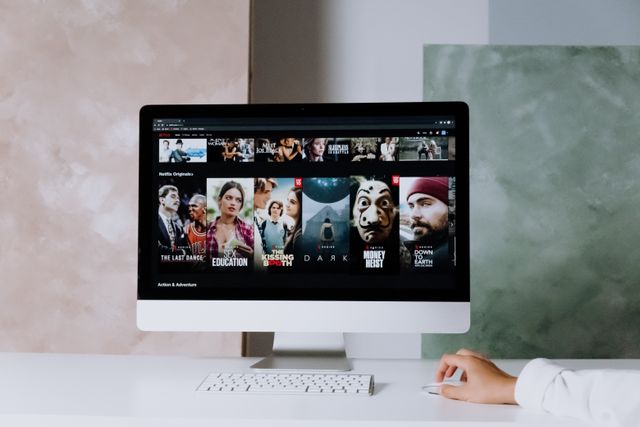
Video has become one of the most common ways people consume entertainment, education, fitness programs, business content, and live events. From movies and TV shows to online courses and niche communities, audiences are increasingly comfortable watching content through dedicated streaming platforms.
This creates an opportunity for entrepreneurs who want to build a business around video content.
However, it takes more than just posting videos to a website to launch a streaming business. You need a reliable platform, a suitable business model, content, payment options, user accounts, video hosting, security, and a marketing plan.
If you are considering a video streaming platform SaaS platform, this guide explains the main steps involved in planning and launching the business in 2026.
A video streaming platform allows users to watch video content over the internet without downloading the entire file to their device.
Depending on the business model, the platform could offer movies, educational courses, fitness videos, live events, documentaries, tutorials, religious content, children's programming, or content created by independent creators.
A streaming platform can also be built for a specific audience instead of trying to compete with large entertainment services.
An entrepreneur might, for instance, develop a platform that focuses on:
Professional training
Fitness and wellness
Independent films
Educational videos
Live conferences
Sports content
Religious or community content
Creator subscriptions
Corporate training
Deciding what content to provide and how to monetize the platform can be made simpler by selecting a target audience.
Video consumption continues to influence how businesses communicate with customers and how people learn and entertain themselves.
The opportunity is not limited to large entertainment companies. Smaller businesses can build streaming platforms around focused audiences and specialized content.
For example, a fitness instructor could offer workout programs through a subscription platform. An educational company could provide recorded courses and live classes. For a certain kind of entertainment, a media business might develop a specialized streaming service.
The important part is having a clear reason for users to choose your platform.
Simply offering videos is usually not enough. Your content, audience, pricing, user experience, or community needs to give people a reason to return.
Before development begins, decide what kind of streaming service you want to operate.
An on-demand platform lets users select videos whenever they want. This works well for movies, courses, tutorials, fitness programs, and recorded events.
A live streaming platform focuses on real-time video. It can be used for conferences, webinars, sports, concerts, classes, and other live events.
You can also combine both models.
For example, a platform could offer live classes while keeping recorded sessions available to subscribers afterward.
Your content model will influence the technology, hosting requirements, pricing, and marketing strategy, so it is worth making this decision early.
More is required for a streaming platform to be successful than just a video player.
Start by identifying the features users actually need. A typical platform may include:
Users should be able to create accounts, log in securely, manage their profiles, and view their subscription information.
If your platform supports multiple types of content, profiles can also help personalize recommendations and viewing history.
The platform needs an organized library where users can browse and search for content.
Categories, genres, playlists, filters, descriptions, thumbnails, and search functions can make a large library easier to navigate.
The video player is one of the most important parts of the platform.
It should provide a smooth viewing experience across desktop computers, smartphones, tablets, and other supported devices.
Features such as playback controls, subtitles, quality selection, fullscreen viewing, and resume playback can improve usability.
If you plan to charge users, you need a secure payment system.
You might offer monthly subscriptions, annual plans, one-time purchases, pay-per-view content, or a combination of these models.
Make the pricing structure easy to understand. Too many plans can make the decision harder for new customers.
The business owner needs a way to manage the platform without depending on a developer for every small change.
An admin dashboard can provide tools for uploading videos, managing users, creating categories, controlling subscriptions, reviewing payments, and monitoring content.
Analytics can help you understand how people use the service.
You can monitor metrics such as video views, watch time, subscriber numbers, cancellations, popular content, and user activity.
These numbers can help you identify which content is attracting and retaining viewers.
There are several ways to generate revenue from a streaming platform.
Users pay a recurring fee to access your content.
This model works particularly well when you can consistently provide valuable content.
You can offer free access and generate revenue through advertisements.
This approach requires enough traffic to make advertising revenue meaningful, so it may take time to become profitable.
Users pay for individual videos or events.
This can work for special events, premium classes, exclusive interviews, concerts, or other content that users may not want to access through a monthly subscription.
You can provide some content for free while keeping premium videos behind a paid subscription.
This can give potential customers an opportunity to experience the platform before paying.
Video files can be much larger than ordinary website files, so hosting needs careful planning.
Your infrastructure should be able to handle video storage, processing, delivery, and traffic spikes.
A streaming platform may also need a content delivery network to deliver videos efficiently to users in different locations.
Video quality is another consideration. Your platform may need to support different resolutions so users with slower internet connections can still watch without constant buffering.
Security also matters. Depending on your content, you may need access controls, secure streaming, account protection, and measures that make unauthorized sharing more difficult.
Building a streaming platform completely from scratch gives you greater control over the technology and user experience.
However, it can also require considerable time, development resources, testing, infrastructure planning, and ongoing maintenance.
For a startup, spending months building basic features can delay the actual business launch.
A ready-made solution can provide a faster starting point. Platforms and products available through services such as heloix.com can help businesses use existing software instead of developing every feature from the beginning.
The right choice depends on your budget, technical requirements, level of customization, and long-term plans.
Technology alone will not make the streaming platform successful.
You need content that your target audience actually wants to watch.
Start with a manageable library instead of trying to launch with hundreds or thousands of videos.
For example, an educational platform could launch with a few complete courses and expand the library based on user interest.
If you are licensing third-party content, understand the rights and agreements involved. If you produce your own videos, create a realistic production schedule.
Content quality matters, but consistency matters too. A platform that regularly adds useful content gives subscribers a reason to keep returning.
People are used to fast and simple streaming experiences.
Your website should make it easy for visitors to understand what the platform offers, find content, start watching, and manage their account.
Pay attention to mobile users because many people watch videos on smartphones.
Keep navigation simple and avoid unnecessary steps between selecting a video and starting playback.
A slow or confusing experience can cause visitors to leave before they become customers.
Once the platform is ready, start with a focused launch rather than trying to reach everyone.
Use channels that match your target audience.
These could include:
Search engine optimization
Social media marketing
YouTube
Email marketing
Influencer partnerships
Online communities
Paid advertising
Content marketing
Create useful content around the problems your platform solves. For example, a fitness streaming service could publish workout tips, while an educational platform could publish learning guides related to its courses.
This gives potential customers a reason to discover your brand before they are ready to subscribe.
Launching the platform is only the beginning.
Monitor what happens after users arrive.
Look at the number of visitors, registrations, subscriptions, cancellations, viewing time, popular videos, and traffic sources.
If many users register but do not subscribe, your pricing or free-to-paid journey may need attention.
If users subscribe but cancel quickly, examine the content library and overall viewing experience.
Use actual user behavior to decide what to improve instead of making changes based only on assumptions.
Starting a video streaming platform in 2026 can be a practical business opportunity when you have a clear audience, useful content, and a sustainable revenue model.
The technology is important, but it is only one part of the business. You also need to think about content rights, pricing, user experience, marketing, infrastructure, and customer retention.
If you want to launch video streaming platform services quickly, begin by defining your audience and business model. Then decide which features are essential for the first version and which can be added later.
You do not need to build everything at once. A focused first version can help you launch, collect feedback, and improve the platform based on what your users actually need.
With the right combination of content, technology, and business planning, a ready to launch video streaming platform can give entrepreneurs a foundation for building a specialized streaming business without starting every part of the project from zero.
Please to post a comment
No comments yet
Be the first to share your thoughts.
@heloix_news
Tech
@heloix_news
Tech

@heloix_news
Tech
Subscribe for the latest on technology, business growth and digital transformation.