
HN
@heloix_news
Growth
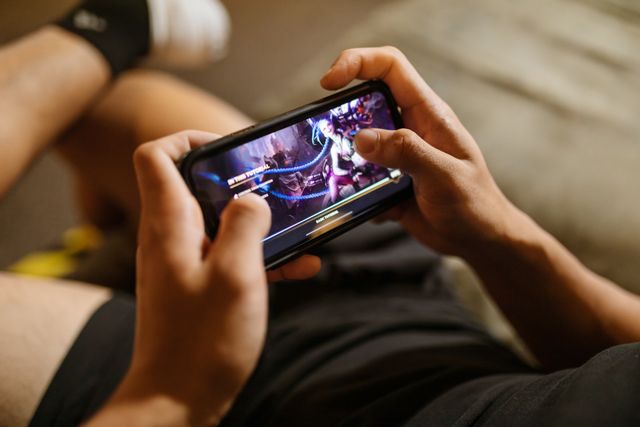
Gaming Commerce Unlocked: How PlaySuper Is Converting In-Game Victories into Real-World Rewards
#PlaySuper#gamingcommerce#gamingrewards
Comment
976
Mahesh P
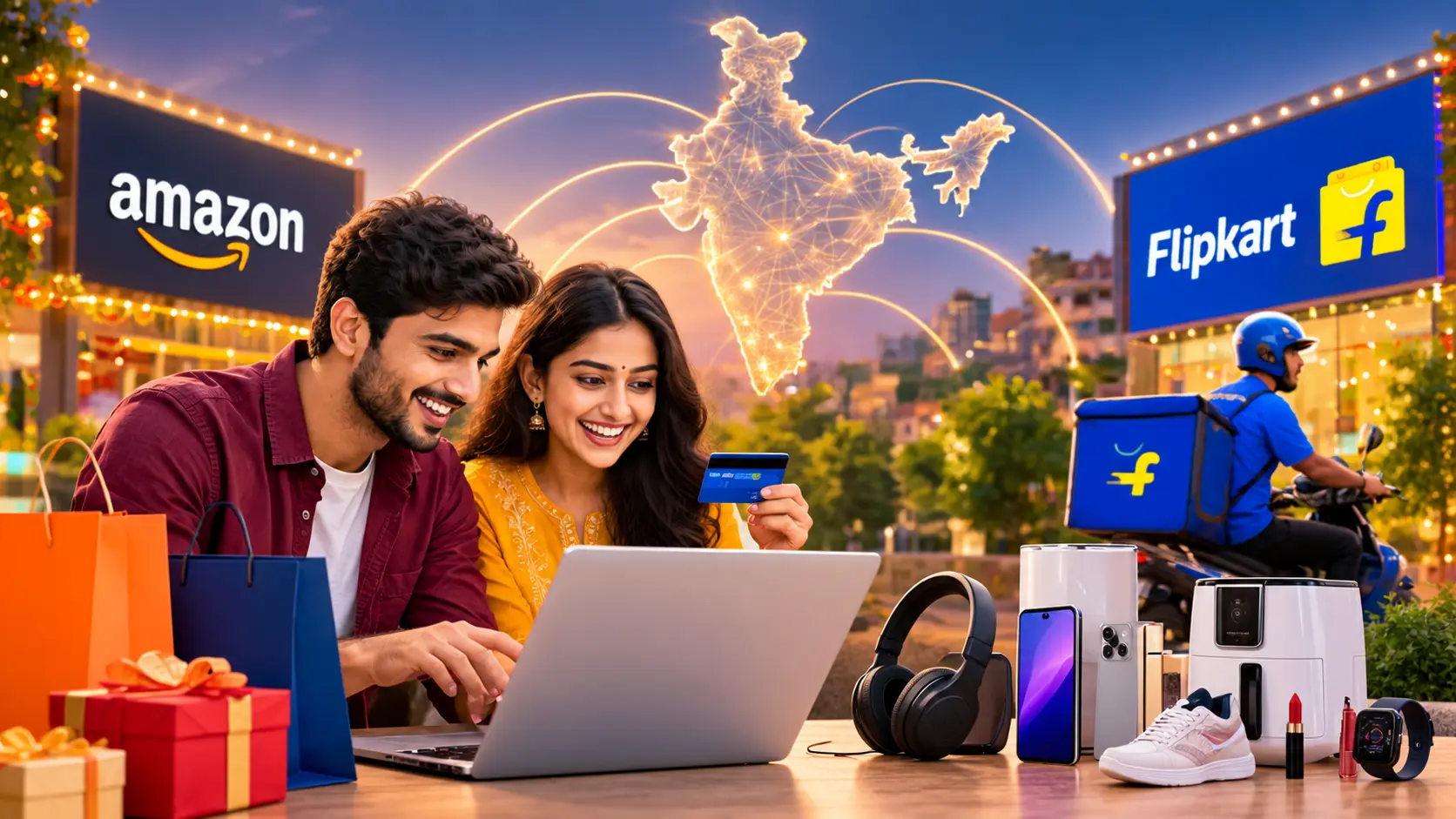
Amazon India and Flipkart have reported a strong opening to their 2026 festive shopping events, with millions of consumers flocking to their platforms for deals across electronics, fashion, beauty, and home appliances. The early results also point to the growing importance of smaller cities and towns in India's online retail market.
Amazon's Great Indian Festival 2026 and Flipkart's The Big Billion Days 2026 have both seen significant customer engagement, increased demand across product categories, and greater adoption of rapid delivery services. The platforms are also using flexible payment options and digital shopping experiences to attract more buyers.
Amazon India reported more than 440 million visits during the initial phase of its Great Indian Festival, marking its highest traffic volume to date. The company also recorded a 100% year-on-year increase in the number of products ordered, while daily app downloads climbed fivefold.
Customers from outside India's nine largest metropolitan areas accounted for over 72% of visits. The number of first-time shoppers nearly doubled compared with the previous year, and orders came from every postal PIN code in the country.
Flipkart also witnessed a substantial surge in activity. During the peak hour of its opening phase, the platform recorded 6.3 million concurrent users per minute, more than six times its usual hourly active-user levels. Its early-access sale for Plus, Black, and co-branded card customers generated 287 million sessions.
Smaller markets played a major role in Flipkart's performance. Tier II and smaller cities accounted for approximately 60% of overall traction, while Tier III locations and beyond contributed nearly half of the visits recorded during the opening hour. The platform also reported a 34% increase in new customers during the same period.
These figures highlight how online shopping is extending its reach beyond major urban centres, with consumers across India's smaller markets increasingly participating in large-scale retail events.
Electronics and premium products emerged as important growth drivers for Amazon. Sales of premium Android smartphones increased 70% year-on-year, while MacBook Neo sales were 65 times higher than on a regular business day.
Demand for large household appliances also rose sharply, reaching 50 times normal levels. Washing machine sales climbed to 80 times their usual levels, refrigerator sales reached 60 times, and home entertainment products recorded a 77-fold increase.
Fashion and personal care products also performed well. Amazon reported footwear sales of seven pairs per second, while Nike sales were 16 times higher than on regular days. Denim purchases exceeded 1,500 pairs per hour, and premium beauty products sold at a rate of 150 units per minute.
Flipkart reported similar momentum across several categories. Large appliance sales grew 30% year-on-year during the first hour, while tablet sales increased 73%.
Beauty products recorded overall growth of 42%, rising to 48% among Gen Z shoppers. Men's grooming products were a significant contributor, with the platform processing more than 1,600 units of men's perfume per minute at peak demand.
The numbers suggest that festive shoppers are looking beyond everyday essentials, with premium electronics, home upgrades, fashion, and personal care products attracting considerable attention.
Shopping experiences that go beyond traditional product listings are also attracting consumers.
Flipkart said more than 12.7 million users engaged with its live-commerce and video-shopping features during the sale period. These formats allow shoppers to discover products through visual demonstrations and interactive content.
Voice search is another area seeing adoption outside major cities. According to Flipkart, customers from Tier II markets and smaller locations accounted for 64% of users who searched for products using voice commands.
The trend indicates that e-commerce platforms are increasingly tailoring their shopping experiences to customers with different browsing habits and levels of digital familiarity.
Fast delivery has become an important part of the competition between the two e-commerce companies.
Amazon said its Amazon Now service was fulfilling orders within minutes across more than 120 cities. The service is designed to meet demand from shoppers who want products delivered quickly rather than waiting for conventional e-commerce delivery timelines.
Flipkart Minutes also reported strong growth. Order volumes increased 3.5 times compared with normal days, while the number of new customers rose elevenfold during the first hour.
In one notable delivery, Flipkart Minutes delivered an iPhone 17 to a customer in New Delhi in just 3.4 minutes.
The results show how rapid fulfilment is becoming a more prominent part of online retail, particularly during high-demand shopping periods. Both platforms are using speed and convenience to strengthen their appeal to customers.
Payment options are playing an important role in helping customers manage festive purchases, particularly in higher-value categories.
Amazon reported that half of its buyers used equated monthly instalment (EMI) options. Transactions through Amazon Pay Later doubled, while the service's user base grew 80% year-on-year.
Flipkart also reported strong adoption of affordability-focused payment options. One in three mobile phone buyers chose No Cost EMI, while one in four used product exchange offers.
These options can reduce the immediate financial burden of expensive purchases and encourage consumers to upgrade smartphones, electronics, and household appliances during promotional events.
The results underline the importance of payment flexibility in converting customer interest into completed transactions.
The surge in shopping activity has also translated into higher sales for merchants and partner brands.
Amazon reported that sellers recorded more than twice as many units ordered during the first 24 hours as they did in the comparable period last year. The number of sellers generating over Rs 1 crore in sales increased by more than 80%.
Beauty led seller-category growth at seven times normal levels, followed by kitchen products at 4.2 times and wireless products at 3.4 times.
Several established brands also reported significant gains. Philips recorded sales ten times above its daily baseline, while WROGN achieved a similar increase. Reebok doubled its sales year-on-year, and Penguin Random House India reported growth of nearly 50%.
Flipkart said 51% of sellers who made sales during Early Access doubled their usual daily business. Sellers from Tier II and smaller markets, including small businesses and micro, small and medium enterprises (MSMEs), recorded 2.9 times growth.
Manufacturing and trading centres such as Bhiwandi, Panipat, Tirupur, and Hisar contributed to the momentum.
The strong performance from sellers in smaller markets highlights the role of festive e-commerce events in connecting regional businesses with a wider customer base.
The opening phase of the 2026 festive sales points to several important developments in India's online retail industry.
First, demand is increasingly spread across the country rather than concentrated in major metropolitan areas. The strong participation of first-time shoppers and consumers from smaller cities offers platforms and sellers opportunities to expand their reach.
Second, shoppers are showing considerable interest in premium electronics, home appliances, beauty products, and fashion. Flexible payment options are helping make higher-value purchases more accessible.
Third, quick commerce, video-led shopping, and voice search are becoming increasingly important elements of the digital retail experience. These services give platforms additional ways to attract customers and encourage purchases.
Finally, the early sales figures suggest that festive events remain significant opportunities for brands and merchants, particularly those seeking to reach new customers and increase sales volumes.
Amazon India and Flipkart have both started their 2026 festive campaigns with strong reported traffic and demand. As the shopping season progresses, their ability to sustain consumer interest, maintain delivery efficiency, and support sellers will be important factors in determining the overall performance of their sales events.
Please to post a comment
No comments yet
Be the first to share your thoughts.
@heloix_news
Growth
@heloix_news
Growth

@heloix_news
Growth
Subscribe for the latest on technology, business growth and digital transformation.