
HN
@heloix_news
Launch
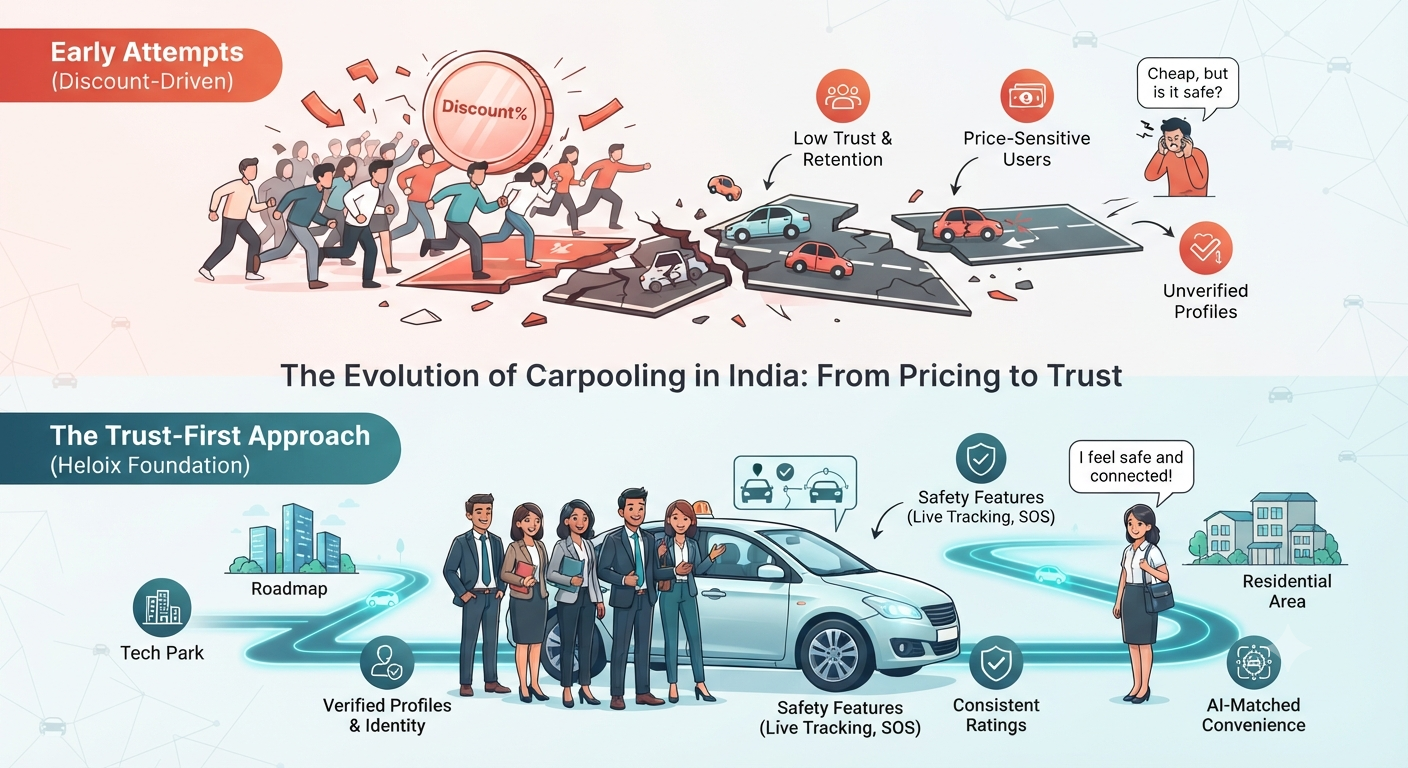
Carpooling Apps Are Making a Real Comeback in India, This Time Built Around Trust Signals, Not Just Discounts
#apps#carpooling
Comment
597
Shamita
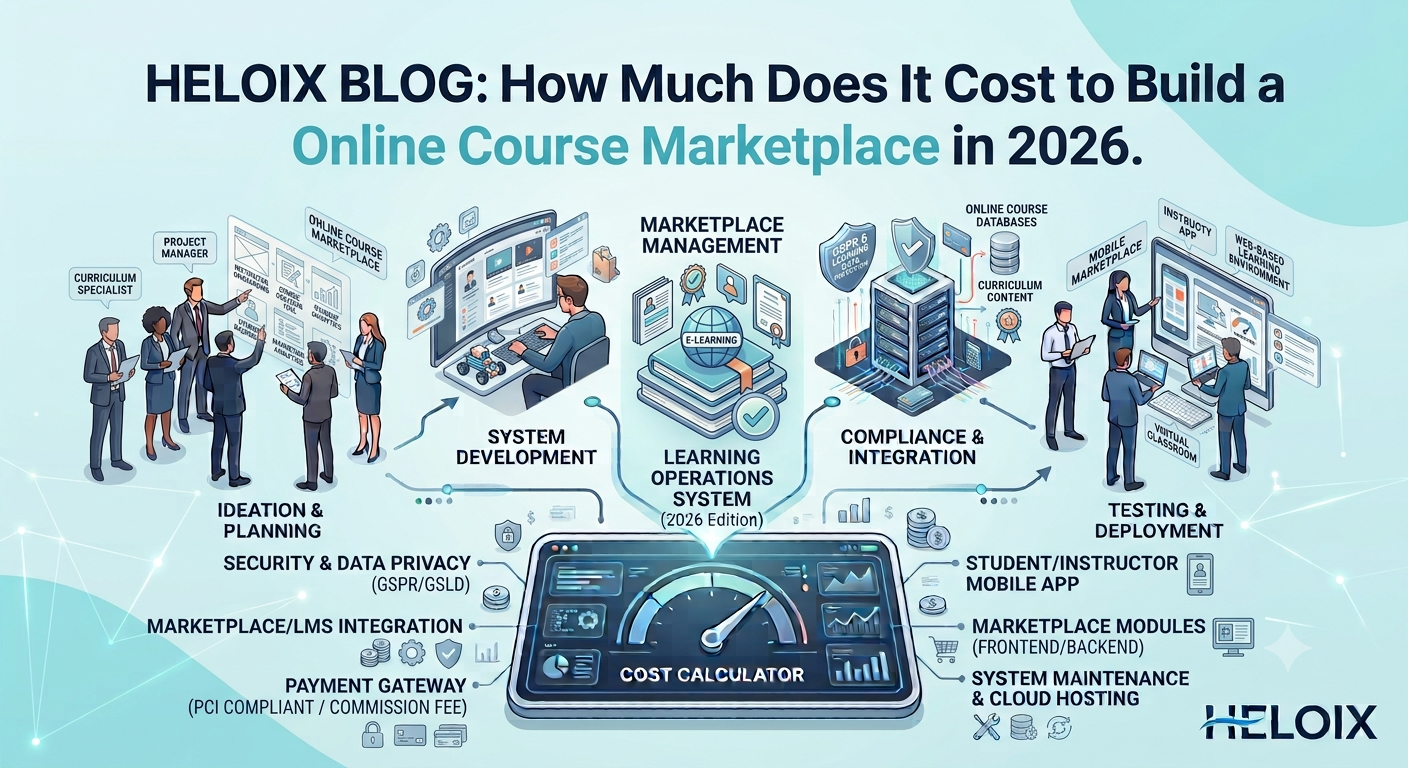
The global digital education and creator economy is booming. Unlike single-creator course websites, an online course marketplace (like Udemy, Skillshare, or Coursera) operates as a multi-vendor platform where independent instructors host, market, and sell educational content, while the platform admin earns recurring commissions and listing fees.
Understanding the investment required to build a course marketplace depends on whether you build custom software, license a SaaS solution, or deploy a ready-to-launch white-label marketplace engine. Below is a detailed cost analysis, operational budget breakdown, and step-by-step launch framework.
The cost of developing an online course marketplace depends on multi-role user dashboards (Admin, Instructor, Student), video hosting pipelines, DRM anti-piracy protections, live class streaming engines, and mobile application setups (iOS & Android).
  ┌──────────────────────────────────────────────────────────┐
  │ 1. Basic Web Marketplace MVP: $3,000 – $8,000            │
  │    (₹2,00,000 – ₹6,00,000 in India)                      │
  └─────────────────────────────┬────────────────────────────┘
                                │
                                ▼
  ┌──────────────────────────────────────────────────────────┐
  │ 2. Standard Web + Mobile App Marketplace: $10,000 – $25,000│
  │    (₹8,00,000 – ₹20,00,000 in India)                     │
  └─────────────────────────────┬────────────────────────────┘
                                │
                                ▼
  ┌──────────────────────────────────────────────────────────┐
  │ 3. Enterprise AI & DRM Marketplace: $30,000 – $75,000+    │
  │    (₹25,00,000 – ₹60,00,000+ in India)                    │
  └─────────────────────────────┴────────────────────────────┘
| System Scope | Included Features & Capabilities | Global Cost (USD) | Cost in India (INR) |
| Basic Web Marketplace MVP | Multi-vendor instructor storefronts, course uploading, video-on-demand (VOD), commission splits, quizzes, certificates. | $3,000 – $8,000 | ₹2,00,000 – ₹6,00,000 |
| Standard Web + Native Apps | Mobile apps (iOS/Android), live video classes (Zoom/WebRTC), instant payout split gateways, doubt forums, instructor revenue analytics. | $10,000 – $25,000 | ₹8,00,000 – ₹20,00,000 |
| Enterprise AI & DRM Ecosystem | Dynamic video watermarking (anti-piracy), AI student assistants, offline video encryption, automated multi-currency checkout. | $30,000 – $75,000+ | ₹25,00,000 – ₹60,00,000+ |
Multi-Vendor Payout & Commission Engine: Automating commission splits between platform owners and instructors via integrated payment gateways (Stripe Connect, Razorpay Route).
Video Streaming Architecture & DRM Security: Streaming high-definition video lessons without buffering requires dedicated video networks (AWS CloudFront, Cloudflare Stream). Anti-piracy DRM encryption adds security engineering costs.
Cross-Platform Mobile Apps: Building dedicated native Android and iOS mobile applications for learning on the go increases development and app store approval timelines.
Interactive & AI Features: Integrating real-time video SDKs for live cohort sessions, interactive quizzes, automated grading engines, or AI tutors.
Beyond initial platform acquisition or custom development, long-term budgeting must account for running expenses:
Cloud Video Hosting & Bandwidth: Video storage and CDN delivery fees scale with total active student viewing hours ($50 to $500+/month).
Payment Processing Gateway Fees: Merchant transaction fees (1.5% to 3.5%) charged by payment gateways (Razorpay, Stripe, PayPal).
Transactional Communication APIs: Per-message charges for automated WhatsApp/SMS notifications for class schedules, student verification OTPs, and purchase receipts.
Annual Maintenance & Security: Regular database backups, server health optimization, and security updates typically run 10% to 15% of the initial software value annually.
When launching a multi-vendor course marketplace, combine multiple complementary revenue streams:
Instructor Revenue Share (Udemy Model): Taking a pre-negotiated platform commission (15% to 50%) on every course unit sold through the marketplace.
Monthly All-Access Pass (Skillshare Model): Charging students a recurring subscription fee for unlimited access to the entire course library and distributing a pool payout to instructors based on watch-time minutes.
Instructor Storefront Subscriptions: Charging instructors a monthly or annual SaaS fee to maintain a branded seller storefront, list unlimited courses, and access advanced analytics.
Featured Listing Fees: Offering instructors paid promotional options to feature their courses on homepage banners, category tops, and marketing newsletters.
Building a complex multi-vendor course marketplace from scratch requires hiring specialized full-stack software engineers, video streaming architects, and payment compliance experts, taking 6 to 10 months of custom coding.
Utilizing a ready-to-launch white-label course marketplace platform provides a faster, highly cost-effective alternative:
Instant Market Entry: Deploy a production-ready, custom-branded course marketplace in days instead of months.
Pre-Built Multi-Tenant Workflows: Pre-configured out of the box with separate admin, instructor, and student portals, automated commission splitting, video streaming, and certificate generation.
High Operational Margins: Buy or license the platform framework once, eliminating ongoing platform revenue penalties or vendor lock-in.
Full Source Code Ownership: Platform providers like Heloix offer complete white-label software packages with full source code ownership. This gives you total freedom to host, rebrand, and customize your technology stack as your user base expands.
  ┌──────────────────────────────────────────────────────────┐
  │ 1. Choose Target Learning Niche & Category Structure     │
  └─────────────────────────────┬────────────────────────────┘
                                │
                                ▼
  ┌──────────────────────────────────────────────────────────┐
  │ 2. Deploy Ready-to-Launch White-Label Software           │
  └─────────────────────────────┬────────────────────────────┘
                                │
                                ▼
  ┌──────────────────────────────────────────────────────────┐
  │ 3. Configure Automated Payment Split Gateways           │
  └─────────────────────────────┬────────────────────────────┘
                                │
                                ▼
  ┌──────────────────────────────────────────────────────────┐
  │ 4. Recruit & Onboard Initial Instructor Cohorts          │
  └─────────────────────────────┬────────────────────────────┘
                                │
                                ▼
  ┌──────────────────────────────────────────────────────────┐
  │ 5. Execute Student Marketing & Content Campaigns         │
  └─────────────────────────────┬────────────────────────────┘
                                │
                                ▼
  ┌──────────────────────────────────────────────────────────┐
  │ 6. Scale Platform Traffic & Expand Enterprise Offerings  │
  └─────────────────────────────┴────────────────────────────┘
Avoid competing directly with massive horizontal platforms right away. Focus on a high-demand vertical:
Regional languages & skill-building in tier-2/tier-3 cities
Test prep for competitive government, banking, or medical exams
Specialized tech skills (AI engineering, cybersecurity, cloud architecture)
Creative trades, design, business management, or vocational training
Acquire a production-ready white-label marketplace software package. Configure your visual branding, setup custom web domains, establish multi-tenant user access roles, and prepare cross-platform application builds for release on the Apple App Store and Google Play Store.
Set up localized payment options:
Connect split-payout payment gateways (Stripe Connect, Razorpay Route) to handle automated platform commissions and instructor wallet payouts.
Configure automated GST/VAT billing engines and dynamic currency options for global learners.
Solve the supply-side marketplace challenge before launching consumer marketing:
Recruit 10–20 expert creators, tutors, or domain specialists.
Offer early instructor incentives, such as 0% platform commission for the first 90 days or free promotional placements.
Assist instructors with setting up their seller profiles, uploading video lessons, and designing structured course modules.
Drive student enrollments into your new marketplace:
Programmatic SEO: Build keyword-optimized landing pages targeting high-intent search queries like "best online python course" or "digital marketing certification".
Instructor Co-Marketing: Provide instructors with custom affiliate referral links so they can drive their existing social audiences directly to their marketplace listings.
Social & Creator Video Marketing: Publish course teaser trailers, student success stories, and free lesson previews on YouTube, Instagram Reels, and LinkedIn.
Drive student engagement and long-term retention:
Implement discussion forums, live doubt-clearing sessions, and peer review communities.
Track core platform metrics, including GMV (Gross Merchandise Value), course completion rates, instructor retention, and student repeat purchase frequency.
Introduce enterprise subscription packages (B2B corporate training passes) to license your marketplace course library directly to businesses.
Please to post a comment
No comments yet
Be the first to share your thoughts.
@heloix_news
Launch
@heloix_news
Launch
@heloix_news
Launch

Subscribe for the latest on technology, business growth and digital transformation.