
HN
@heloix_news
Launch
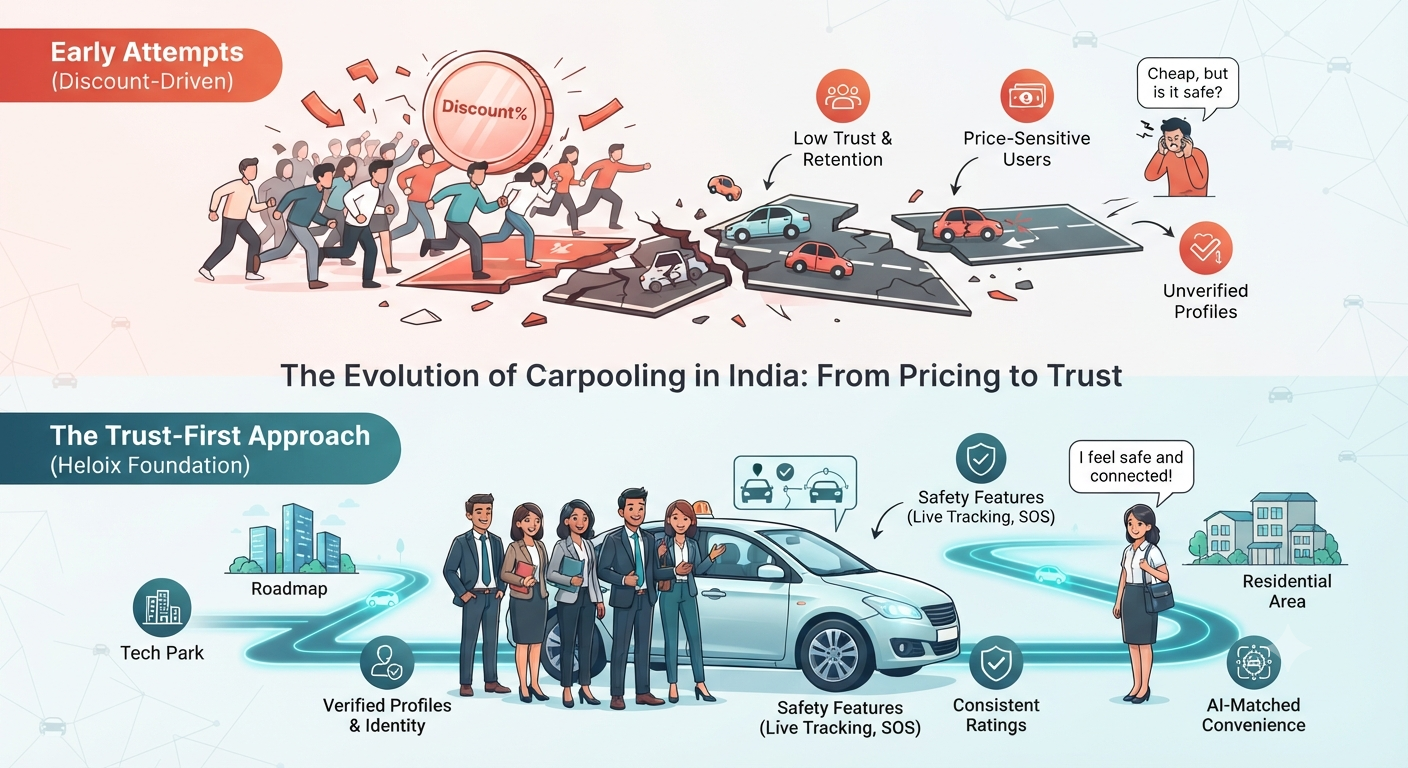
Carpooling Apps Are Making a Real Comeback in India, This Time Built Around Trust Signals, Not Just Discounts
#apps#carpooling
Comment
584
Shamita
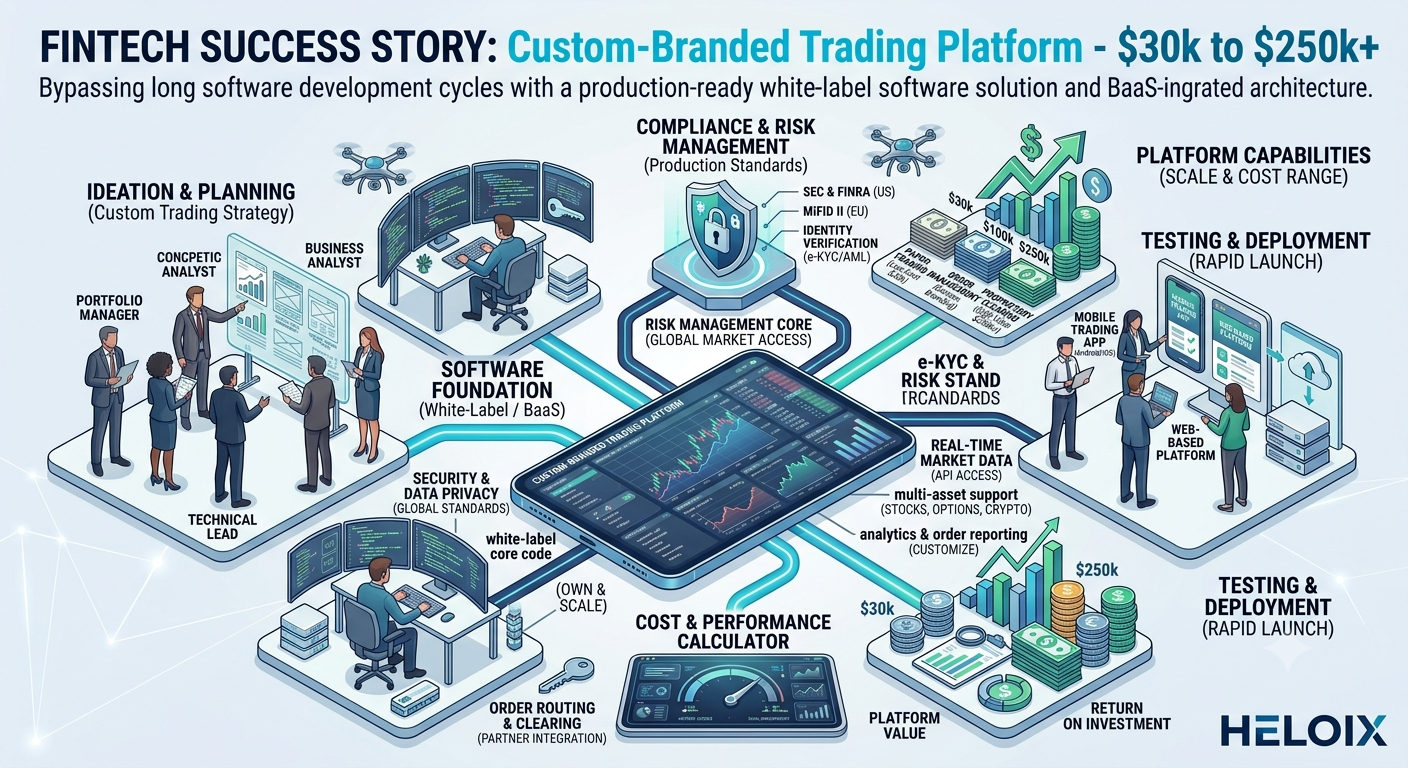
The capital markets are undergoing a massive technological shift. Modern retail and institutional traders demand ultra-low latency order execution, real-time charting (TradingView integrations), fractional share investing, algorithmic trading APIs, AI-driven market insights, and automated portfolio rebalancing.
Understanding the investment required to build a stock trading app or brokerage platform depends on your operational model: building a proprietary clearing brokerage from scratch, integrating with a licensed Brokerage-as-a-Service (BaaS) execution API (e.g., Alpaca, DriveWealth), or deploying a ready-to-launch white-label trading solution. Below is a comprehensive breakdown of development costs, regulatory compliance, operational expenses, business models, and a step-by-step launch framework.
Developing trading software requires stringent fault tolerance, sub-second latency, double-entry financial ledger integrity, and strict regulatory compliance (SEBI/SEC/FINRA).
  ┌──────────────────────────────────────────────────────────┐
  │ 1. Paper Trading / Market Info App: $30,000 – $60,000    │
  │    (₹25,00,000 – ₹45,00,000 in India)                    │
  └───────────────┬──────────────────────────────┬───────────┘
                  │                              │
                  ▼                              ▼
  ┌──────────────────────────────────────────────────────────┐
  │ 2. BaaS-Integrated Real-Money App: $75,000 – $150,000   │
  │    (₹45,00,000 – ₹90,00,000 in India)                    │
  └───────────────┬──────────────────────────────┬───────────┘
                  │                              │
                  ▼                              ▼
  ┌──────────────────────────────────────────────────────────┐
  │ 3. Full Clearing Brokerage Hub: $250,000 – $1,000,000+   │
  │    (₹1.5 Crore – ₹8 Crore+ in India)                     │
  └──────────────────────────────────────────────────────────┘
| Platform Model | Architecture & Capabilities Included | Global Cost (USD) | Cost in India (INR) |
| Paper Trading & Market Info App | Delayed/real-time market feeds, watchlists, virtual trading engine, basic charts, news feeds. No real-money settlement. | $30,000 – $60,000 | ₹25,00,000 – ₹45,00,000 |
| BaaS-Integrated Real-Money App | Connects to licensed execution brokers (Alpaca, DriveWealth) via API. e-KYC, live market data, order placement (Limit/Market/Stop), portfolio tracking. | $75,00,00 – $150,000 | ₹45,00,000 – ₹90,00,000 |
| Full Clearing Brokerage Platform | Direct exchange connectivity (FIX protocol), proprietary clearing engine, risk management system (RMS), margin trading, options/futures, multi-asset routing. | $250,000 – $1,000,000+ | ₹1.5 Crore – ₹8 Crore+ |
Market Data Feed Licenses: Subscribing to real-time Level 1 (Top of Book) or Level 2 (Order Book Depth) data feeds directly from stock exchanges (NASDAQ, NYSE, NSE, BSE) or data vendors (Refinitiv, Polygon.io, Interactive Data) carries high software implementation and monthly license costs.
Execution & Exchange APIs: Integrating FIX protocol engines, order routing mechanisms, and Brokerage-as-a-Service APIs for automated clearing, settlement, and custody.
Regulatory Audits & Security: Financial systems require end-to-end data encryption, multi-factor authentication (MFA), device binding, periodic Vulnerability Assessment & Penetration Testing (VAPT), and regulatory reporting compliance.
Advanced Interactive Charting: Incorporating interactive charting libraries (e.g., TradingView, ChartIQ) with technical indicators, drawing tools, and real-time WebSocket data updates.
Operating a live trading system involves continuous ongoing technical infrastructure expenses:
Real-Time Data Licensing: Monthly exchange/data vendor licensing fees ($1,000 to $15,000+/month based on active user counts).
Cloud Infrastructure & WebSocket Servers: High-availability AWS, Google Cloud, or dedicated server infrastructure configured for zero-downtime, high-concurrency trading sessions ($500 to $4,000+/month).
e-KYC & Verification APIs: Per-user costs for identity verification, document OCR, bank account validation, and AML screening.
Security & Compliance Retainers: Annual penetration testing, regulatory filing software updates, and legal counsel ($15,000 to $60,000+ annually).
When launching a trading app, combine diverse revenue channels to maximize platform profitability:
Brokerage Commissions / Flat Fee per Trade: Charging a flat fee or per-share commission on stock, options, or futures orders.
Margin Lending Interest: Earning interest yields on cash lent to traders using leverage/margin accounts.
Payment for Order Flow (PFOF): Receiving small rebates from market makers for routing retail order volume to their execution venues (where permitted by regulators).
Premium Subscriptions (VIP Pass / Trading Pro): Charging a recurring monthly fee for access to Level 2 order books, advanced research reports, AI stock screeners, and lower margin rates.
Inactivity & Custody Fees: Charging small monthly fees for maintaining idle accounts or handling custom portfolio transfers.
Building a custom stock trading platform from scratch involves hiring specialized quantitative software engineers, FIX protocol architects, and security compliance legal teams—taking 9 to 18 months of development.
Utilizing a ready-to-launch white-label trading app solution or BaaS framework provides a faster, highly cost-effective alternative:
Rapid Time-to-Market: Deploy a production-ready, custom-branded trading platform in weeks instead of waiting years for custom coding.
Pre-Built Compliance & Execution Architecture: Pre-configured with double-entry ledgers, Order Management Systems (OMS), Risk Management Systems (RMS), interactive charts, and e-KYC pipelines.
Significant Capital Savings: Avoid multi-hundred-thousand-dollar agency build fees and focus your capital on regulatory licensing and trader acquisition.
Full Source Code Ownership: Platform providers like Heloix offer complete white-label software business packages with optional full source code ownership. This eliminates software vendor lock-in and gives you complete freedom to host, rebrand, and customize your trading technology stack.
  ┌──────────────────────────────────────────────────────────┐
  │ 1. Define Regulatory Path & Licensing Model              │
  └───────────────┬──────────────────────────────┬───────────┘
                  │                              │
                  ▼                              ▼
  ┌──────────────────────────────────────────────────────────┐
  │ 2. Deploy Turnkey White-Label Software Architecture      │
  └───────────────┬──────────────────────────────┬───────────┘
                  │                              │
                  ▼                              ▼
  ┌──────────────────────────────────────────────────────────┐
  │ 3. Connect Execution Broker APIs & Market Data Feeds    │
  └───────────────┬──────────────────────────────┬───────────┘
                  │                              │
                  ▼                              ▼
  ┌──────────────────────────────────────────────────────────┐
  │ 4. Complete Security Audits (VAPT) & Regulatory Testing  │
  └───────────────┬──────────────────────────────┬───────────┘
                  │                              │
                  ▼                              ▼
  ┌──────────────────────────────────────────────────────────┐
  │ 5. Execute User Acquisition & Trader Marketing           │
  └───────────────┬──────────────────────────────┬───────────┘
                  │                              │
                  ▼                              ▼
  ┌──────────────────────────────────────────────────────────┐
  │ 6. Monitor Execution Uptime & Scale Asset Offerings      │
  └──────────────────────────────┴───────────────────────────┘
Establish your regulatory position before writing code:
Broker-Dealer License: Register as a fully licensed clearing broker with local financial authorities (e.g., SEC/FINRA in the US, SEBI in India, FCA in the UK).
Introducing Broker / API Partner Model: Partner with an established, licensed custodian/clearing broker via Brokerage-as-a-Service (BaaS) APIs to handle execution while you own the front-end user experience.
Acquire a production-ready white-label trading app framework. Apply your visual brand identity, map custom SSL web domains, configure real-time market engines, and prepare cross-platform builds for submission to the Apple App Store and Google Play Store.
Integrate core market pipelines:
Connect real-time market data feed providers (Polygon.io, Refinitiv) for streaming stock price quotes and WebSocket charts.
Attach licensed execution broker APIs for order routing, account opening, and fund settlement.
Connect secure payment processing gateways and bank transfer rails (ACH, Wire, UPI) for instant deposit and withdrawal processing.
Ensure strict platform security prior to live customer trading:
Conduct third-party Vulnerability Assessment & Penetration Testing (VAPT) to identify and patch system flaws.
Implement device binding, biometrics login, two-factor authentication (2FA), and encrypted session management.
Attract active retail traders and investors:
Educational & Content Marketing: Publish daily stock market analysis, video breakdown tutorials, and trading strategy guides to attract organic search traffic.
Affiliate & Creator Partnerships: Partner with financial content creators, YouTube stock analysts, and finance influencers to host trading competitions.
Sign-Up Stock Incentives: Offer free fractional stock shares or zero-commission trading for the first 30 days to drive new user registrations.
Track core platform metrics including Monthly Active Traders (MAT), average order execution speed, order fill rates, daily active trades, and customer retention. Continually optimize backend server concurrency, expand into adjacent asset classes (Options, Futures, Crypto, ETFs), and introduce AI-assisted trading tools.
Please to post a comment
No comments yet
Be the first to share your thoughts.
@heloix_news
Launch
@heloix_news
Launch
@heloix_news
Launch

Subscribe for the latest on technology, business growth and digital transformation.