
HN
@heloix_news
HealthTech
Simplifying Metabolic Health: Inside EYVA’s Pocket-Sized, Non-Invasive Biosensing Revolution
#EYVA#metabolichealth#biosensing
Comment
580
Shamita
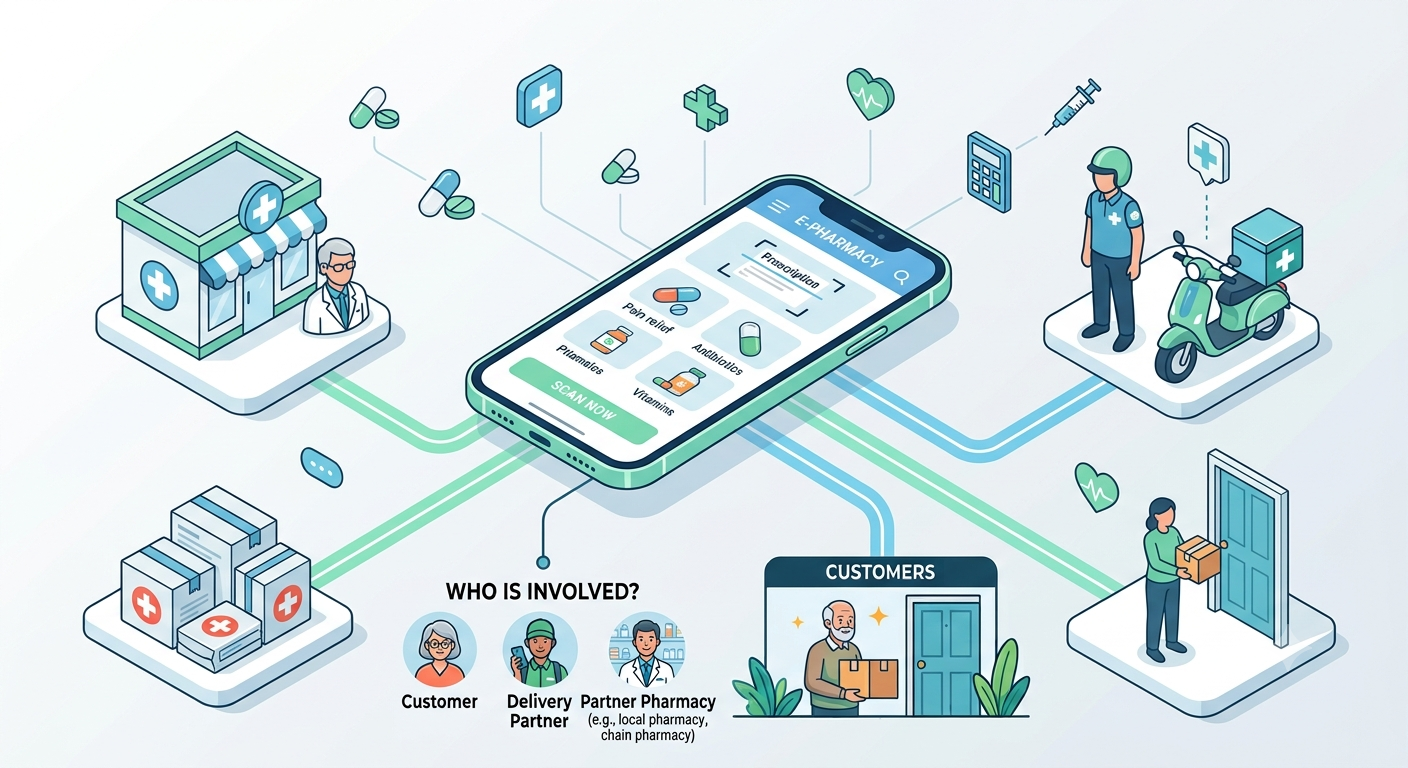
The healthcare sector is undergoing a massive digital transformation. Modern consumers expect the convenience of ordering prescription medicines, over-the-counter (OTC) drugs, wellness products, and diagnostic kits directly to their doorstep. At the forefront of this revolution is the pharmacy delivery app business model.
For healthcare entrepreneurs, launching an e-pharmacy platform offers a lucrative entry point into a high-demand, high-frequency industry. In this guide, we will break down how the pharmacy delivery app model works, explore key monetization channels, analyze innovative app concepts, examine how ready-to-launch software enables fast deployment, and present a practical step-by-step launch framework.
A pharmacy delivery app is a multi-sided digital ecosystem that connects consumers seeking prescription medications and wellness essentials with licensed physical pharmacies, diagnostic laboratories, or centralized medicine fulfillment hubs.
Unlike standard e-commerce platforms, pharmacy platforms must account for strict regulatory compliance, prescription upload workflows, licensed pharmacist verifications, temperature-controlled logistics, and sensitive patient data handling.
┌──────────────────────────────────────────────────────────┐
│              Pharmacy App Platform Engine                │
│     (Prescription Verification, Compliance & Routing)     │
└───────────────┬──────────────────────────────┬───────────┘
                │                              │
                ▼                              ▼
  ┌──────────────────────────┐   ┌──────────────────────────┐
  │ Licensed Pharmacies /    │   │      End Customers       │
  │ Medicine Fulfillment Hubs│   │  (Patients & Caregivers) │
  └──────────────────────────┘   └──────────────────────────┘
Marketplace / Aggregator Model: Connects local licensed retail pharmacies to consumers. Nearby partner pharmacies receive digital orders, pack the items, and hand them over to platform delivery agents (e.g., 1mg, NetMeds).
Centralized / Micro-Fulfillment Model: The platform operates its own licensed digital pharmacy warehouses or dark stores, streamlining bulk purchasing, inventory management, and fast dispatch.
Hybrid Healthcare Portal: Integrates medicine delivery alongside doctor teleconsultation bookings, online lab test bookings, and chronic care subscriptions.
Pharmacy platforms leverage multiple complementary revenue streams to build long-term profitability:
| Revenue Stream | Operational Mechanism |
| Merchant Commissions | A pre-negotiated percentage fee (typically 12% to 25%) deducted from each order fulfilled by partner retail pharmacies. |
| Delivery & Convenience Fees | Flat or distance-based fulfillment fees charged directly to end consumers for doorstep delivery. |
| Direct Product Margins | Retaining wholesale-to-retail profit margins on medicines sold directly via proprietary fulfillment hubs. |
| Sponsored Listings & Advertising | Charging pharmaceutical companies, wellness brands, and supplement lines for banner ads and top search placements. |
| Doctor / Lab Affiliate Fees | Earning platform referral commissions when users book teleconsultations or diagnostic lab tests through integrated features. |
| Refill Subscriptions | Recurring monthly billing plans for chronic medicine management (e.g., diabetes, hypertension, cardiac care). |
To stand out in a competitive healthcare market, consider building around a specialized niche:
Chronic Care Medicine Subscription Platform: An app focused specifically on automatic monthly refills, pill-organizer packaging, and compliance tracking for elderly or chronic condition patients.
Hyper-Local 30-Minute Emergency Pharmacy App: Focusing on rapid, round-the-clock delivery of urgent OTC treatments, first-aid kits, pediatric care, and pain relief supplies.
Integrated Telemedicine & E-Pharmacy Hub: A unified portal where patients consult virtual doctors, receive digital prescriptions, and convert them into home delivery orders with one tap.
B2B Medical Supply & Wholesale Marketplace: Connecting small independent clinics, hospitals, and pharmacies directly with wholesale pharmaceutical manufacturers for bulk supplies.
To ensure strict compliance, accurate order processing, and smooth logistics, a complete software suite includes three distinct modules:
Patient App (iOS, Android & Web): Secure prescription upload, real-time medicine search, dosage instruction view, order tracking, address setup, and integrated digital wallets.
Pharmacy / Pharmacist Admin Panel: Dashboard for verifying incoming uploaded prescriptions, confirming medicine availability, managing inventory, and assigning orders to delivery personnel.
Delivery Partner App: Notification alerts for pickup requests, route navigation maps, proof-of-delivery capture, and earnings dashboards.
Building a custom, HIPAA/GDPR-compliant healthcare platform from scratch can take 6 to 12 months and cost tens of thousands of dollars in software engineering costs.
Utilizing a ready-to-launch pharmacy delivery solution accelerates time-to-market dramatically:
Turnkey Compliance & Features: Pre-built platforms come equipped with prescription verification engines, secure cloud hosting, real-time GPS tracking, and multi-currency/multi-language capabilities out of the box.
Rapid Setup: Deploy branded applications across iOS, Android, and Web in days instead of months.
Full Source Code Access: Platform providers like Heloix offer enterprise healthcare platforms (like 1mg or Practo clones) with full source code ownership. This eliminates long-term vendor lock-in and gives you complete control to rebrand, customize, and scale your technology.
  ┌──────────────────────────────────────────────────────────┐
  │ 1. Navigate Regulatory Compliance & Licenses            │
  └─────────────────────────────┬────────────────────────────┘
                                │
                                ▼
  ┌──────────────────────────────────────────────────────────┐
  │ 2. Deploy Turnkey Pharmacy Software Engine               │
  └─────────────────────────────┬────────────────────────────┘
                                │
                                ▼
  ┌──────────────────────────────────────────────────────────┐
  │ 3. Onboard Partner Pharmacies & Pharmacists              │
  └─────────────────────────────┬────────────────────────────┘
                                │
                                ▼
  ┌──────────────────────────────────────────────────────────┐
  │ 4. Configure Payment Gateways & Commission Rules         │
  └─────────────────────────────┬────────────────────────────┘
                                │
                                ▼
  ┌──────────────────────────────────────────────────────────┐
  │ 5. Execute Local Digital & Healthcare Marketing          │
  └─────────────────────────────┬────────────────────────────┘
                                │
                                ▼
  ┌──────────────────────────────────────────────────────────┐
  │ 6. Scale Operations & Add Teleconsultation Features      │
  └─────────────────────────────┴────────────────────────────┘
Healthcare is a highly regulated sector. Before writing code or onboarding stores, secure all required local e-pharmacy permits, retail drug licenses, and digital health compliance clearance (e.g., HIPAA compliance in the US, CDSCO/e-pharmacy guidelines in India, or equivalent regional health laws).
Acquire a production-ready pharmacy platform. Apply your visual branding, setup SSL custom domains, configure prescription upload requirements, and verify SMS/WhatsApp gateway integrations for order status updates.
Recruit established, trusted local retail pharmacies:
Require partner stores to present valid retail pharmacy licenses and tax documentation.
Ensure every partner store has a registered, licensed pharmacist on staff to review and validate uploaded prescription images.
Sync digital catalogs, stocking high-demand OTC medications, wellness products, and chronic care lines.
Connect secure payment processing gateways supporting credit cards, digital wallets, and cash on delivery (COD). Establish cold-chain delivery protocols to guarantee temperature-sensitive medications (like insulin) are handled safely during transit.
Build consumer trust and gain initial traction through hyper-local marketing:
Doctor & Clinic Partnerships: Collaborate with local private practitioners and medical clinics to recommend your app for patient prescription fulfillments.
Hyper-Local Search Optimization (SEO): Optimize app pages for search terms like "online medicine delivery near me" or "same-day prescription delivery."
Senior & Caregiver Outreach: Target family caregivers through social media ads focusing on automated monthly refills and care package options.
Track platform metrics such as average order fulfillment time, order accuracy rates, prescription approval speed, and customer retention rates. Scale the platform by adding adjacent health services, such as home diagnostic lab tests, doctor video consultations, and AI-driven wellness tracking.
Please to post a comment
No comments yet
Be the first to share your thoughts.
@heloix_news
HealthTech
@heloix_news
HealthTech
@heloix_news
HealthTech
Subscribe for the latest on technology, business growth and digital transformation.