
HN
@heloix_news
Launch
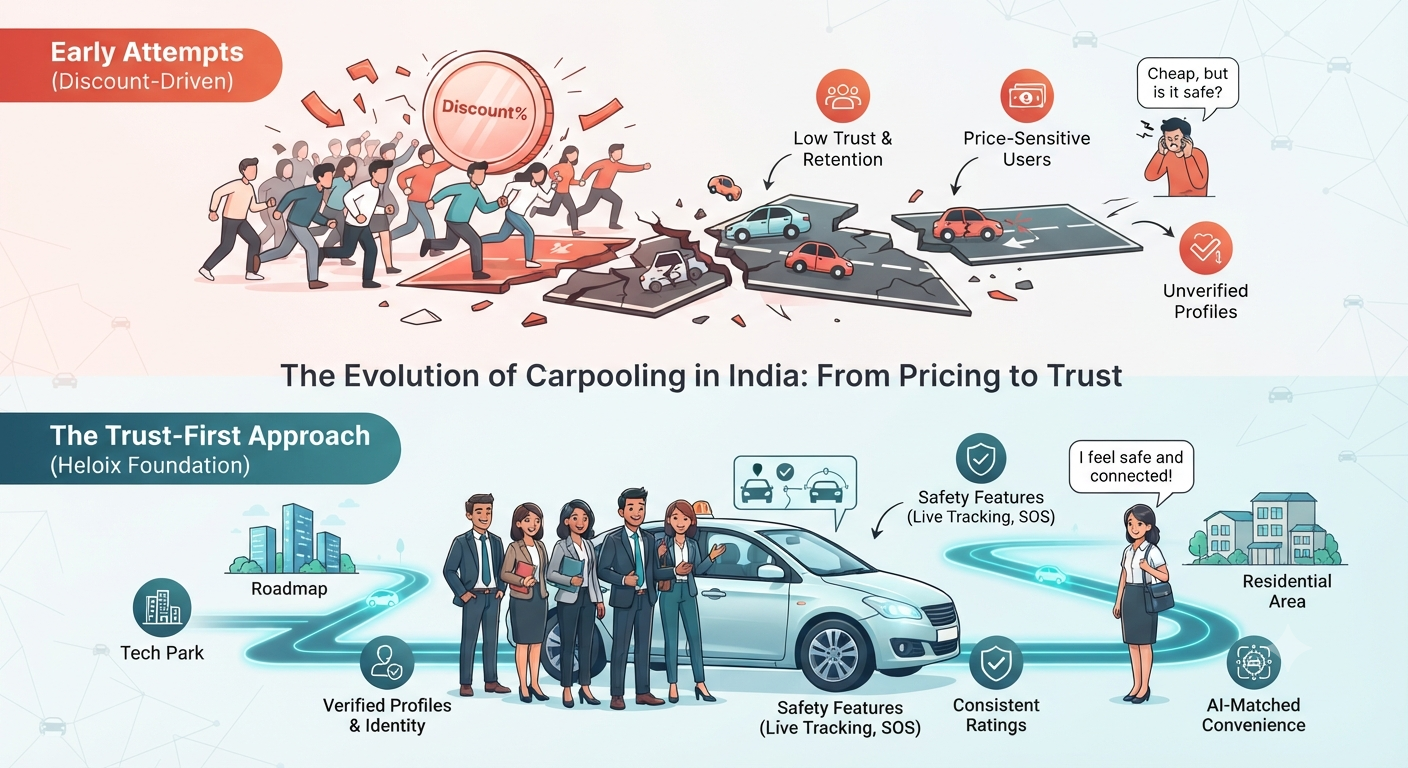
Carpooling Apps Are Making a Real Comeback in India, This Time Built Around Trust Signals, Not Just Discounts
#apps#carpooling
Comment
581
Shamita
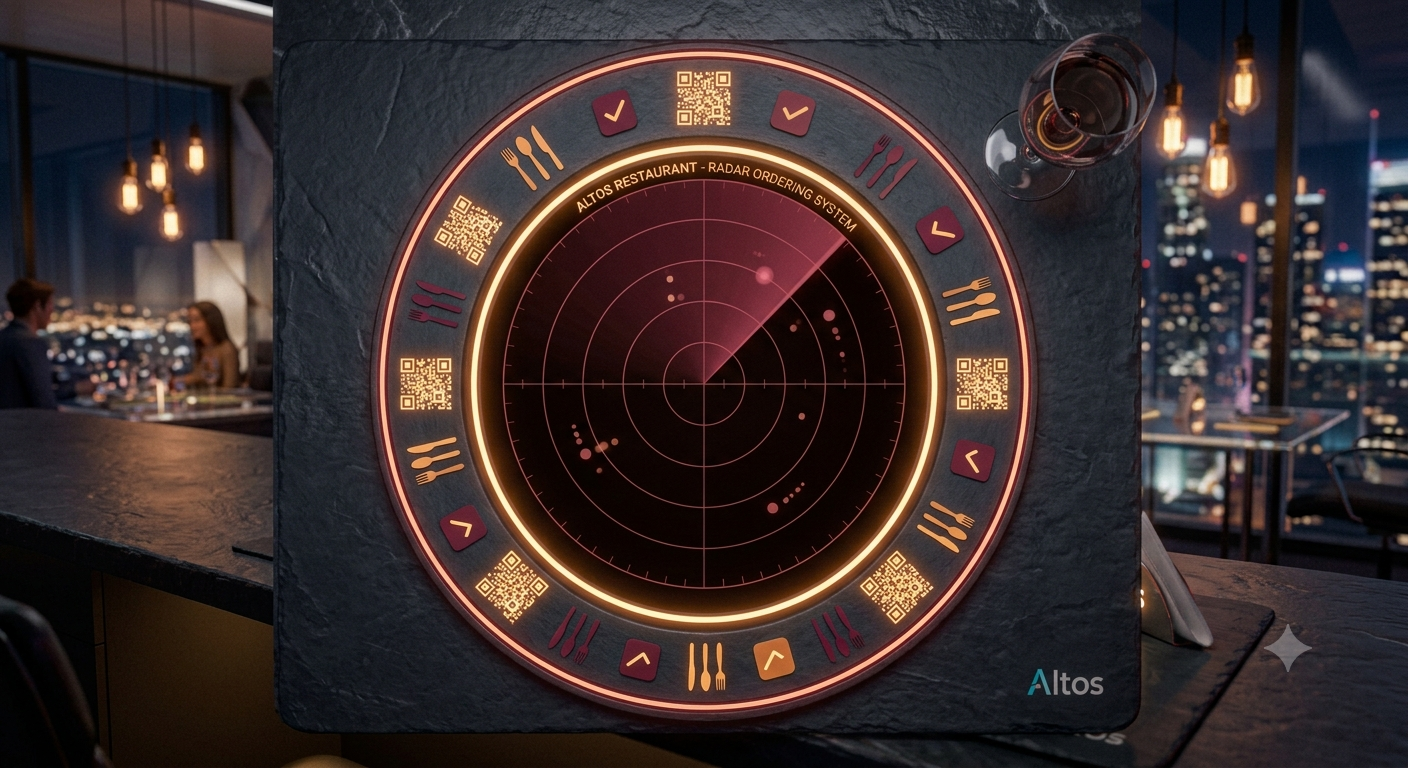
The restaurant and hospitality industry has undergone a permanent digital evolution. Today, diners expect instant convenience—whether scanning a tabletop QR code to order in-house, placing a commission-free pickup order, or scheduling direct home delivery without third-party markups. For tech founders, hospitality agencies, and SaaS entrepreneurs, deploying a restaurant ordering system white label solution represents one of the most high-margin, sticky software opportunities in the modern business ecosystem.
Whether you are looking to launch restaurant ordering system operations in your region, or seeking turnkey software architectures that are ready to launch restaurant ordering system white-label platforms into the market, understanding how this business model generates predictable revenue is critical.
Here are the top 5 reasons entrepreneurs are heavily investing in restaurant ordering system business models today.
While third-party food delivery apps bring initial visibility, their steep 20% to 35% commission rates eat away at a restaurant’s thin profit margins. Restaurant owners are actively searching for direct digital ordering solutions to take back control of their customer relationships and profit margins.
By providing an in-house digital ordering system (QR code dining, branded web ordering, and mobile apps), your platform solves an urgent, daily profit-draining headache for restaurateurs.
This evergreen commercial need ensures high merchant adoption and remarkably sticky, long-term software retention.
For startup founders and software agency owners, the direct restaurant ordering business model provides exceptional financial predictability through dual revenue streams:
Monthly/Annual SaaS Fees: Charging restaurants recurring subscription fees per location to use your digital menus, kitchen display systems (KDS), and customer management portals.
Integrated Payment Gateway Margins: Earning a percentage take-rate or flat convenience markup on every online order processed through your integrated payment gateway.
Building a complete multi-tenant restaurant software suite from scratch—engineering real-time kitchen display screens, dynamic QR code menu builders, order print drivers, and multi-payment gateways—requires deep engineering capital and months of complex development.
This is why many entrepreneurs leverage turnkey architectures that are ready to launch restaurant ordering system operations out of the box. By utilizing modular white-label software, founders can brand the entire admin portal with their own logo and custom domain, bypass core coding entirely, and begin onboarding local restaurants within days.
A well-structured restaurant ordering platform opens up rich opportunities to generate revenue beyond basic software subscriptions:
Automated Loyalty & Marketing Add-ons: Charging extra for automated SMS and WhatsApp marketing tools that re-engage past diners with targeted discounts.
Hardware Bundling & Setups: Monetizing thermal receipt printers, Android Kitchen Display System (KDS) tablets, and QR table stands alongside your software installation.
The white-label agency reseller model allows tech entrepreneurs to scale horizontally across their local dining scene without expanding administrative overhead.
Modern restaurant ordering platforms feature multi-tenant architectures, enabling you to manage dozens or hundreds of independent restaurant sub-accounts from a single master dashboard.
Each restaurant client receives an isolated admin environment where they can manage their own menus, pricing, and orders, allowing you to run a full-scale restaurant-tech SaaS agency effortlessly.
The modern hospitality economy rewards tech entrepreneurs who empower restaurants to own their digital operations. By utilizing white-label infrastructure, you eliminate heavy technical entry barriers and position your brand to capture valuable recurring revenue in the booming restaurant-tech sector.
If you are ready to launch restaurant ordering system solutions, now is the ideal time to define your target hospitality niche (e.g., fast-casual chains, fine dining, or local cafes), structure your monthly subscription packages, and start onboarding your first wave of restaurant partners.
Please to post a comment
No comments yet
Be the first to share your thoughts.
@heloix_news
Launch
@heloix_news
Launch
@heloix_news
Launch

Subscribe for the latest on technology, business growth and digital transformation.