
HN
@heloix_news
Launch
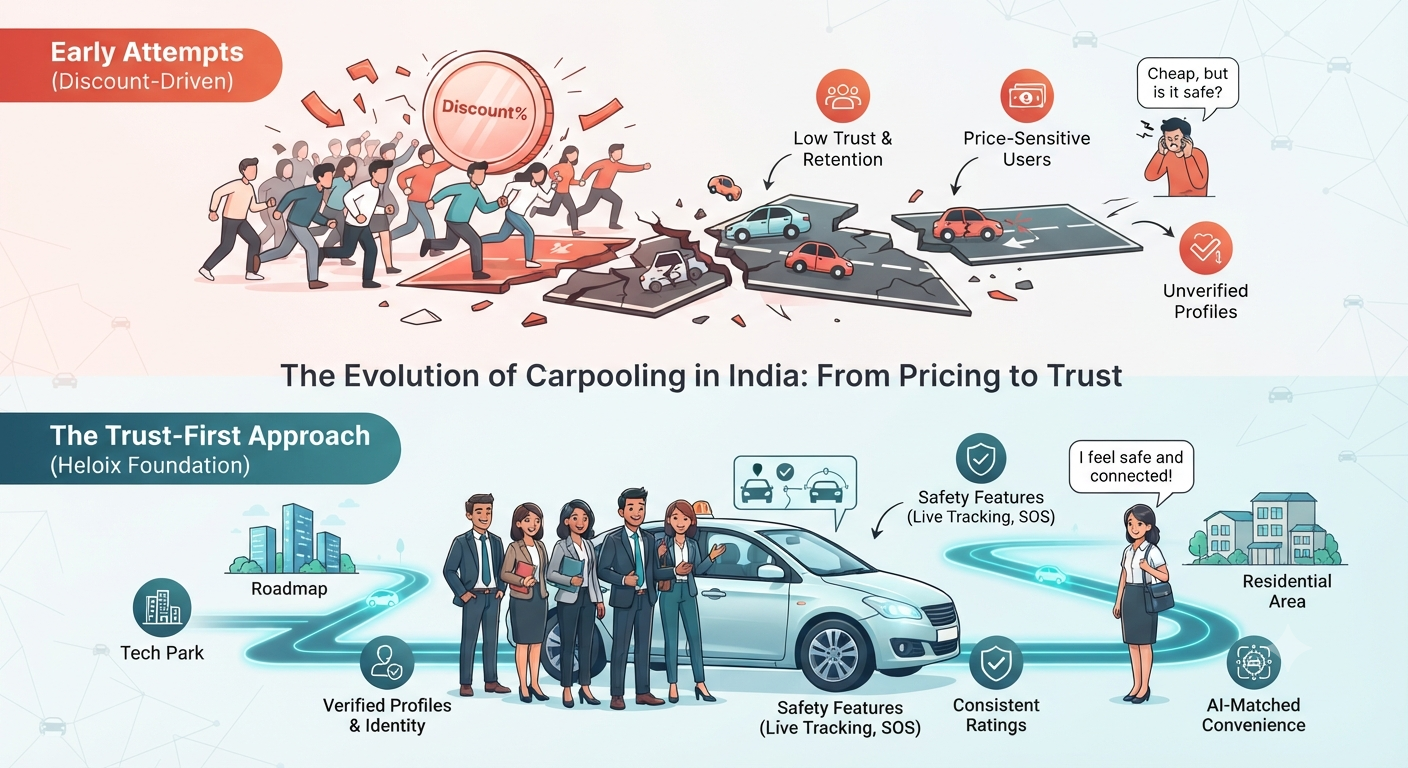
Carpooling Apps Are Making a Real Comeback in India, This Time Built Around Trust Signals, Not Just Discounts
#apps#carpooling
Comment
595
Shamita
In today’s digital-first economy, predictability and recurring value drive high-performing companies. From software-as-a-service (SaaS) and streaming platforms to curated e-commerce boxes and membership communities, businesses are shifting away from one-off transactional sales in favor of recurring revenue. At the center of this movement is the subscription-based business model.
Whether you are an aspiring software founder, an content creator, or an e-commerce entrepreneur, building a subscription platform offers long-term stability and compounding revenue growth. In this guide, we’ll explore how the subscription business model operates, its financial advantages, how custom source code solutions accelerate launch times, and a practical step-by-step framework to launch your own platform.
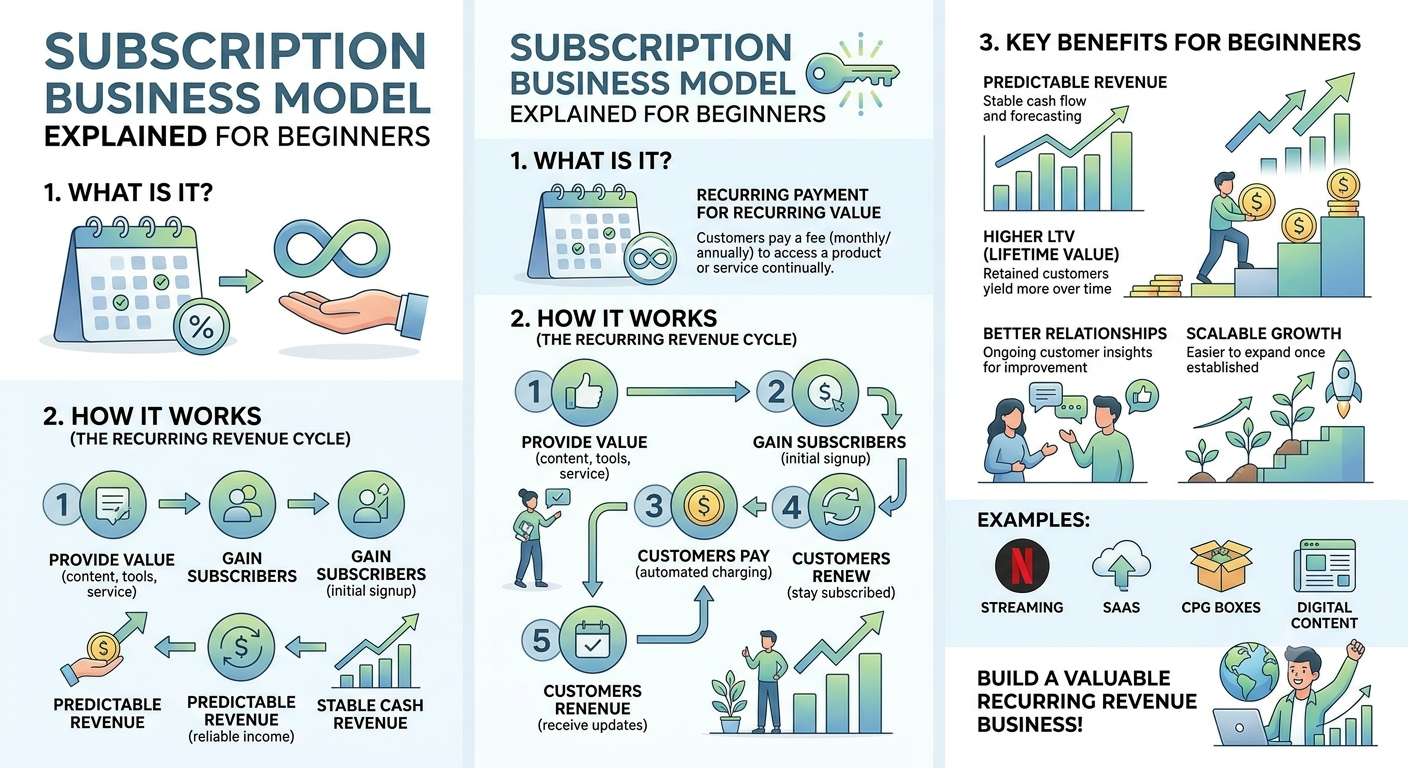
A subscription-based business model is a commercial framework where customers pay a recurring fee—typically on a monthly, quarterly, or annual basis—in exchange for continuous access to a product, service, software tool, or exclusive content ecosystem.
Instead of acquiring a customer once and hoping for future repeat purchases, subscription companies establish ongoing customer relationships centered on consistent value delivery.
┌────────────────────────┐      Recurring Payment       ┌────────────────────────┐
│  Subscriber / Customer │ ───────────────────────────> │  Subscription Platform │
│                        │ <─────────────────────────── │                        │
└────────────────────────┘    Continuous Value / Access  └────────────────────────┘
Software-as-a-Service (SaaS): Customers pay ongoing access fees for cloud-hosted tools (e.g., project management software, CRM platforms, design suites).
Digital Content & Media Access: Paywalled news outlets, streaming media platforms, online learning hubs, and community membership portals.
Physical Box Subscriptions: Curated physical goods delivered to customer doorsteps on a set schedule (e.g., gourmet coffee, beauty products, meal kits, books).
Service & Utility Memberships: Recurring retainer plans for ongoing service offerings, including digital marketing retainers, maintenance plans, or concierge services.
Building a healthy subscription revenue engine requires monitoring a unique set of key performance metrics:
| Metric | Definition | Practical Strategy |
| MRR / ARR | Monthly Recurring Revenue / Annual Recurring Revenue: The predictable baseline revenue generated every billing cycle. | Focus on increasing subscription tiers and reducing early cancellations. |
| CAC | Customer Acquisition Cost: Total spend on sales & marketing required to acquire a single paying subscriber. | Keep CAC lower than one-third of the total Customer Lifetime Value (LTV). |
| LTV | Lifetime Value: Total net profit a single customer generates across their entire relationship with your brand. | Increase LTV through long-term contracts, add-on features, and exceptional service. |
| Churn Rate | Percentage of subscribers who cancel or fail to renew their subscriptions during a given timeframe. | Minimize churn by maintaining product quality, gathering feedback, and running win-back campaigns. |
Why do modern startups and venture investors prioritize subscription-based operations over traditional sales models?
Predictable & Scalable Revenue: Financial planning becomes straightforward when you enter every month knowing your baseline recurring revenue run-rate.
Higher Customer Lifetime Value: Small recurring payments made consistently over 24 months yield significantly more revenue than a single upfront item purchase.
Compounding Business Growth: As churn stays low and new acquisition cohorts stack up month after month, overall platform revenue compounds exponentially.
Stronger Customer Relationships: Continuous touchpoints provide continuous user data, giving you direct feedback to refine product features and increase customer retention.
Building a subscription platform completely from scratch presents substantial engineering hurdles. You must build recurring billing engines, dunning management systems (handling failed credit cards), secure user authentication layers, tiered account permissions, invoice generation systems, and customer management portals.
Rather than re-inventing these core technical components, forward-thinking founders utilize pre-built, production-ready subscription-based business source code.
Instant Core Infrastructure: Ready-to-deploy source code packages come integrated with automated payment gateways (such as Stripe, PayPal, and Razorpay) for automated recurring billings.
Complete Source Code Control: By acquiring complete platform source code from enterprise solution providers like Heloix, you retain total ownership, freedom from perpetual software licensing lock-ins, and full customization capabilities.
Rapid Deployment Cycles: Skip 6+ months of backend software engineering and launch a fully functional, branded subscription platform in days.
  ┌──────────────────────────────────────────────────────────┐
  │ 1. Define Your Recurring Value Proposition                │
  └─────────────────────────────┬────────────────────────────┘
                                │
                                ▼
  ┌──────────────────────────────────────────────────────────┐
  │ 2. Design Strategic Subscription Tiers & Pricing          │
  └─────────────────────────────┬────────────────────────────┘
                                │
                                ▼
  ┌──────────────────────────────────────────────────────────┐
  │ 3. Deploy Platform Infrastructure & Source Code          │
  └─────────────────────────────┬────────────────────────────┘
                                │
                                ▼
  ┌──────────────────────────────────────────────────────────┐
  │ 4. Integrate Automated Payment Gateways                   │
  └─────────────────────────────┬────────────────────────────┘
                                │
                                ▼
  ┌──────────────────────────────────────────────────────────┐
  │ 5. Execute Targeted Subscriber Acquisition Strategies    │
  └─────────────────────────────┬────────────────────────────┘
                                │
                                ▼
  ┌──────────────────────────────────────────────────────────┐
  │ 6. Focus on Onboarding, Engagement & Churn Prevention    │
  └──────────────────────────────────────────────────────────┘
A successful subscription requires a product or service that delivers continuous value over time. Ask yourself: Why will a customer continue paying month after month? Ensure your offering solves an ongoing problem, saves time continuously, or supplies ongoing curated goods.
Structure pricing tiers that cater to different user profiles:
Starter / Basic Tier: Accessible entry point providing essential core features to attract price-sensitive users.
Professional / Growth Tier: The main value option tailored for core target power users.
Enterprise / Premium Tier: High-end plan featuring advanced functionality, priority support, and custom add-ons.
Tip: Offer a slight discount (e.g., 15-20% off) for customers who commit to annual billing cycles upfront—this secures cash flow and drastically reduces initial churn.
Obtain a enterprise-ready subscription source code foundation. Deploy the solution to your web servers, attach your custom domain names, apply your visual design identity (logos, brand palettes, custom UI elements), and set up account administrative roles.
Connect secure payment processing gateways like Stripe Connect, Razorpay, or PayPal Subscriptions. Ensure your system supports:
Automated recurring billing retries for failed credit card transactions.
Custom self-service customer billing portals (allowing users to update card details, upgrade plans, or download invoices).
Automatic SSL encryption and PCI-DSS compliance standards.
Drive targeted traffic into your new subscription platform funnel:
Freemium or Free Trial Lead Magnets: Offer a 7-day or 14-day risk-free trial so prospective users can experience the platform's core benefits first-hand.
Content Marketing & SEO: Publish educational guides, industry analysis, and blog resources addressing your audience's core operational challenges.
Targeted Advertising: Deploy conversion-focused social and search campaigns targeting high-intent decision-makers.
Acquiring a subscriber is only half the battle—keeping them is where long-term profits are built:
Design a seamless welcome onboarding sequence that guides new users to their "aha moment" immediately after subscribing.
Deliver regular product updates, value-add educational emails, and proactive customer success support.
Collect feedback from departing subscribers to identify pain points and continuously optimize the user experience.
Please to post a comment
No comments yet
Be the first to share your thoughts.
@heloix_news
Launch
@heloix_news
Launch
@heloix_news
Launch

Subscribe for the latest on technology, business growth and digital transformation.