
HN
@heloix_news
D2C
Rethinking Home Hygiene: Inside Cleevo’s Waterless Powder-to-Liquid Cleaning Revolution
#Cleevo#homecleaning#cleaningproducts
Comment
389
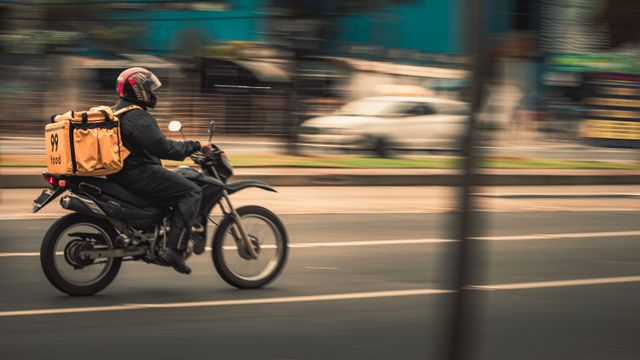
Food delivery has become a familiar part of everyday life in India. People order lunch while working, dinner after a busy day, snacks for family gatherings, and even groceries or specialty foods through delivery platforms.
This has created opportunities for entrepreneurs who want to enter the food delivery market. However, starting a food delivery business involves more than creating an app and accepting orders. You need to decide what type of business you want to operate, understand your target customers, work with restaurants or food outlets, plan delivery operations, and estimate your costs.
If you are planning to launch a food delivery business in 2026, this guide explains the main steps you need to consider.
A food delivery business connects customers with restaurants, cloud kitchens, cafes, or other food providers and helps get orders delivered to customers.
The business can operate in several ways.
You could create a platform where multiple restaurants list their menus and customers place orders through your website or mobile app. Another option is to operate a delivery service for restaurants that already receive orders through their own channels.
You can also focus on a specific market, such as healthy meals, homemade food, regional cuisine, office lunches, or late-night food delivery.
Your business model will affect everything from technology requirements to delivery operations and marketing.
Convenience continues to influence how people buy food. Customers can compare menus, check prices, place orders, and track deliveries without making a phone call or visiting a restaurant.
For entrepreneurs, digital food ordering also creates opportunities to serve specific local markets instead of competing everywhere from the beginning.
A new food delivery business could start in one city, one neighborhood, or even one category of food. Once the business understands its customers and delivery operations, it can gradually expand.
The opportunity does not mean the business is easy. Competition, delivery costs, restaurant partnerships, customer acquisition, refunds, and service quality all need careful planning.
Before spending money on development or marketing, decide how your business will make money.
This is the model most people associate with food delivery apps.
Restaurants join the platform, upload their menus, and receive orders through your system. You earn money through commissions, delivery charges, listing fees, subscriptions, or a combination of these.
This model can grow into a large marketplace, but attracting both restaurants and customers can take time.
A restaurant or restaurant group may want its own ordering system rather than depending entirely on third-party marketplaces.
You can provide the technology that allows customers to browse menus, order food, make payments, and receive updates.
In this model, restaurants handle the customer relationship and orders while your business manages delivery.
This can work well in areas where restaurants already receive online orders but do not have enough delivery staff.
You can also build a platform around a specific customer need.
For example, your platform could focus on healthy meals, vegetarian food, homemade meals, regional dishes, desserts, or meals for office workers.
A narrower market can make it easier to define your target audience and build a clear business proposition.
The food delivery business cost in India depends heavily on your business model and the scale at which you start.
Your main expenses may include:
Website or mobile app development
Restaurant and customer dashboards
Hosting and server costs
Payment gateway charges
Maps and location services
Delivery management
Driver or delivery partner costs
Business registration and legal expenses
Marketing and customer acquisition
Customer support
Maintenance and software updates
A small local operation can require far less investment than a platform designed to serve several cities.
You should also separate one-time costs from recurring expenses. App development may be a major initial expense, while hosting, marketing, support, delivery operations, and maintenance can continue every month.
Before setting a budget, calculate how many orders you expect to receive and how much you can realistically earn from each order.
Technology is at the center of a modern food delivery business.
A basic platform may need three main interfaces.
Customer app or website: Customers should be able to browse restaurants, view menus, add items to their cart, pay for orders, and track delivery status.
Restaurant dashboard: Restaurants need tools to manage menus, prices, availability, incoming orders, and order status.
Admin panel: You need a central system for managing customers, restaurants, delivery partners, payments, commissions, complaints, and reports.
A delivery partner app can also be useful if you operate your own delivery network. It can provide information about assigned orders, pickup locations, delivery addresses, and completed deliveries.
If you want to launch food delivery business operations quickly, using an existing software product can be an alternative to developing every feature from the beginning. Products available through heloix.com can help businesses start with ready-made software rather than building an entire platform from scratch.
Your platform needs food businesses before customers have a reason to use it.
Start by approaching restaurants, cafes, cloud kitchens, and other food outlets in your target area.
Explain what you offer and how the partnership works. Be clear about commissions, payment settlements, delivery responsibilities, menu management, and customer support.
Instead of trying to sign hundreds of restaurants immediately, you could start with a smaller group of outlets that provide different types of food.
This gives you enough variety to attract early customers while keeping operations manageable.
Food delivery depends heavily on timing.
A customer may tolerate a slightly higher price, but repeated late deliveries can quickly damage trust.
Decide whether you will employ delivery staff, work with independent delivery partners, or allow restaurants to handle their own deliveries.
You also need to consider delivery zones.
Starting with a limited service area can make route planning easier and reduce delivery times. Once order volumes increase, you can expand into nearby areas.
Your system should also account for order cancellations, unavailable items, incorrect addresses, failed payments, and customer complaints.
A food delivery business can use several revenue streams.
Restaurant commission: You take a percentage from orders generated through your platform.
Delivery fee: Customers pay a fee based on distance, location, or order value.
Restaurant subscription: Restaurants pay a recurring amount for access to platform features.
Advertising: Restaurants can pay to promote their listings or special offers.
Customer subscription: Frequent customers can receive delivery benefits or other features through a paid membership.
You do not necessarily need all these revenue streams from the beginning. Choose a model that makes sense for your target market and operating costs.
Getting restaurants onto your platform is only one part of the challenge. Customers also need a reason to order through your service.
Start with a defined local audience.
You could promote the platform through social media, local search, referral programs, introductory offers, partnerships with restaurants, and targeted digital advertising.
Content can also help attract customers. Restaurant guides, local food recommendations, meal ideas, and information about participating restaurants can give people reasons to visit your website even when they are not immediately placing an order.
Customer referrals can be particularly useful for a local platform. Someone who receives a good experience may recommend the service to friends, colleagues, or family members.
Do not assume the business is ready for a large launch just because the software works.
Run a controlled launch with a limited number of restaurants and customers.
Test the complete ordering process from beginning to end.
Check whether customers can place orders without confusion, whether restaurants receive orders correctly, whether payments are processed properly, and whether delivery partners receive accurate information.
Pay attention to real customer feedback. Technical problems are easier to fix when your order volume is still manageable.
Once the process works consistently, you can gradually increase the number of restaurants, customers, and delivery areas.
One common mistake is spending too much money on technology before understanding the market.
Another is expanding the delivery area too quickly. A large service area can increase delivery times and operational costs.
Ignoring restaurant relationships can also create problems. Restaurants need reliable order information, payment settlements, and support.
You should also avoid competing only through discounts. Discounts can attract customers, but customers may leave once the offers disappear. Reliable delivery, restaurant variety, simple ordering, and good customer service are important for long-term retention.
Starting a food delivery business in 2026 requires a combination of technology, restaurant partnerships, delivery operations, and customer acquisition.
You do not necessarily need to build a large platform on the first day. Starting with a specific market and a limited service area can help you understand the business before investing heavily in expansion.
Estimate the food delivery business cost in India based on your actual model, technology requirements, delivery setup, and marketing plans. Then test your service with a manageable group of restaurants and customers.
With the right planning, a focused launch, and a system that can grow as your order volume increases, you can build a food delivery business around a clear local or niche opportunity.
Please to post a comment
No comments yet
Be the first to share your thoughts.
@heloix_news
D2C
@heloix_news
D2C

@heloix_news
D2C

Subscribe for the latest on technology, business growth and digital transformation.