
HN
@heloix_news
Launch
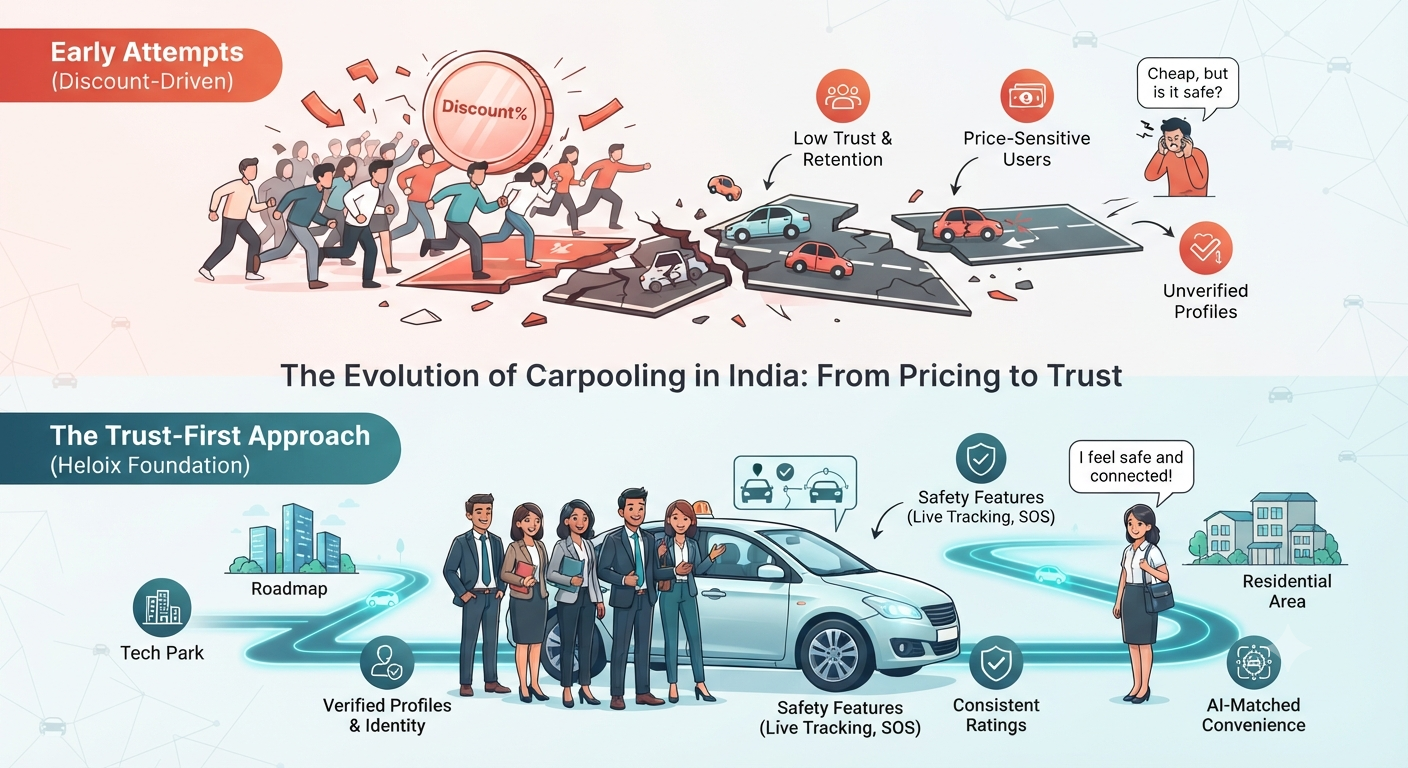
Carpooling Apps Are Making a Real Comeback in India, This Time Built Around Trust Signals, Not Just Discounts
#apps#carpooling
Comment
580
Shamita
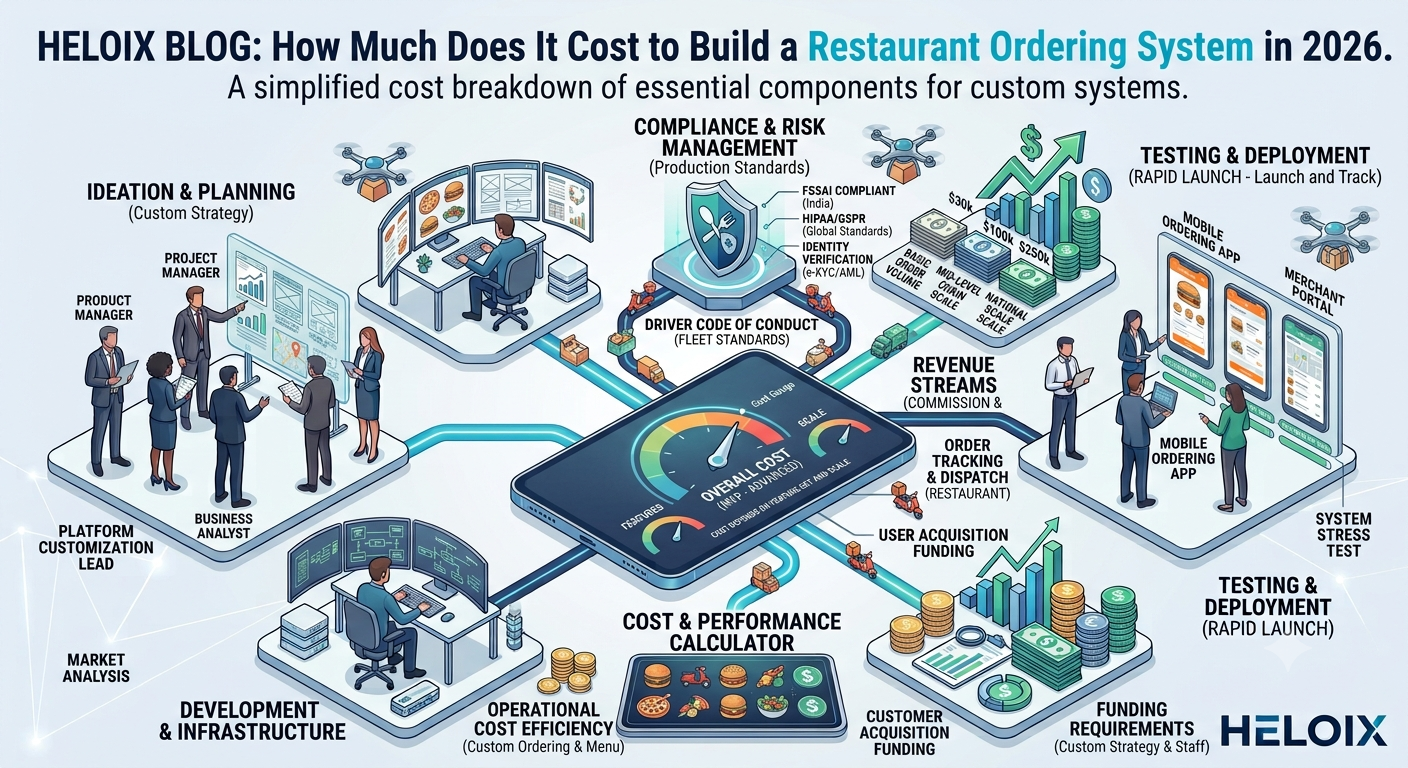
The global hospitality and dining sector has embraced a digital-first approach. Modern restaurant ordering systems do far more than digitize paper menus; they act as complete operational command centers that combine QR code table ordering, contactless web checkouts, Kitchen Display Systems (KDS), automated inventory tracking, multi-channel delivery integration, and direct customer loyalty engines.
Whether you are a restaurant owner looking to eliminate third-party commission fees or an EdTech/SaaS agency entrepreneur launching a white-label software business, understanding the financial breakdown is critical. Below is a detailed cost analysis, operational budget guide, software execution models, and a step-by-step launch framework.
The cost of developing or acquiring a restaurant ordering platform depends primarily on system scope, native mobile app requirements, hardware driver integrations (POS terminals, kitchen printers), and multi-location management capabilities.
  ┌──────────────────────────────────────────────────────────┐
  │ 1. Direct QR Code Web Ordering: $1,500 – $4,000          │
  │    (₹1,00,000 – ₹3,00,000 in India)                       │
  └───────────────┬──────────────────────────────┬───────────┘
                  │                              │
                  ▼                              ▼
  ┌──────────────────────────────────────────────────────────┐
  │ 2. Complete POS + KDS + Online Suite: $6,000 – $18,000   │
  │    (₹4,50,000 – ₹14,00,000 in India)                     │
  └───────────────┬──────────────────────────────┬───────────┘
                  │                              │
                  ▼                              ▼
  ┌──────────────────────────────────────────────────────────┐
  │ 3. Enterprise Multi-Chain SaaS: $22,000 – $60,000+       │
  │    (₹18,00,000 – ₹50,00,000+ in India)                    │
  └──────────────────────────────┴───────────────────────────┘
| System Architecture Scope | Included Features & Capabilities | Global Cost (USD) | Cost in India (INR) |
| Direct QR Code Web Ordering | QR code digital menu, contactless table ordering, WhatsApp/Web checkout, payment gateway integration, simple admin portal. | $1,500 – $4,00,0 | ₹1,00,000 – ₹3,00,000 |
| Complete POS + KDS + Online Suite | Table layout builder, Kitchen Display System (KDS) app, thermal printer integration, stock recipe management, waiter ordering app. | $6,000 – $18,000 | ₹4,50,000 – ₹14,00,000 |
| Enterprise Multi-Chain SaaS | Multi-branch central dashboard, third-party delivery aggregation (Swiggy/Zomato/DoorDash APIs), automated inventory deduction, AI demand forecasting. | $22,000 – $60,000+ | ₹18,00,000 – ₹50,00,000+ |
Hardware Driver & Device Compatibility: Integrating thermal receipt printers (Bluetooth, USB, Ethernet), Kitchen Display System (KDS) Android tablets, handheld POS terminals, and cash drawers adds hardware driver setup expenses.
Third-Party Delivery API Aggregation: Connecting third-party food delivery aggregators (e.g., Zomato, Swiggy, Uber Eats, DoorDash) directly into the central POS interface so orders bypass manual tablet re-entry.
Multi-Role User Ecosystem: Building separate native mobile apps or web views for customers, waiters/servers, kitchen prep staff, and restaurant managers.
Recipe & Inventory Variance Engine: Real-time ingredient tracking that automatically deducts stock (e.g., grams of cheese or flour) from inventory every time a specific menu item is ordered.
Operating a production restaurant ordering platform involves ongoing infrastructure and running expenses:
Cloud Server & Database Hosting: Scalable AWS, DigitalOcean, or Firebase cloud servers handling real-time socket connections during peak dining hours ($30 to $300+/month).
Payment Gateway Processing Fees: Merchant transaction fees (1.5% to 3.0%) per digital order checkout processed via Stripe, Razorpay, or PayPal.
Transactional Communication APIs: Per-message costs for sending automated WhatsApp and SMS order confirmation updates, digital receipts, and pickup notifications.
Thermal Paper & On-Site Hardware: Physical thermal receipt paper rolls, tablet mount stands, and backup router networking equipment.
Building a custom, production-ready restaurant ordering engine from scratch requires hiring specialized full-stack engineers, UX designers, and hardware integration specialists—taking 5 to 9 months of custom software development.
Utilizing a ready-to-launch restaurant ordering system source code or white-label SaaS solution provides a faster, highly cost-effective alternative:
Instant Market Entry: Deploy a fully branded, multi-restaurant ordering platform under your own brand in days rather than waiting months.
Eliminate Vendor & Platform Commissions: Avoid perpetual per-order commission penalties charged by third-party ordering portals.
High-Margin SaaS Recurring Revenue: Agencies and IT resellers can license the platform framework, charge local restaurant owners recurring monthly fees per outlet (e.g., ₹2,999 – ₹9,999/month or $49 – $149/month per location), and generate predictable recurring revenue.
Full Source Code Ownership: Platform framework providers like Heloix offer complete ready-to-launch software business packages with full source code ownership included. This eliminates long-term vendor lock-in and gives you complete freedom to host, rebrand, and customize your software technology stack.
  ┌──────────────────────────────────────────────────────────┐
  │ 1. Define Target Dining Segment & Workflow Scope         │
  └───────────────┬──────────────────────────────┬───────────┘
                  │                              │
                  ▼                              ▼
  ┌──────────────────────────────────────────────────────────┐
  │ 2. Deploy Ready-to-Launch Source Code & Infrastructure   │
  └───────────────┬──────────────────────────────┬───────────┘
                  │                              │
                  ▼                              ▼
  ┌──────────────────────────────────────────────────────────┐
  │ 3. Integrate Payment Gateways & Printers                 │
  └───────────────┬──────────────────────────────┬───────────┘
                  │                              │
                  ▼                              ▼
  ┌──────────────────────────────────────────────────────────┐
  │ 4. Onboard Pilot Restaurants & Upload Menus              │
  └───────────────┬──────────────────────────────┬───────────┘
                  │                              │
                  ▼                              ▼
  ┌──────────────────────────────────────────────────────────┐
  │ 5. Execute Direct B2B Restaurant Sales & Outreach        │
  └───────────────┬──────────────────────────────┬───────────┘
                  │                              │
                  ▼                              ▼
  ┌──────────────────────────────────────────────────────────┐
  │ 6. Scale Outlets & Introduce Loyalty Add-Ons            │
  └──────────────────────────────┴───────────────────────────┘
Clarify your target market and primary ordering flow:
Quick-Service Restaurants (QSR) & Cafes (focused on fast counter billing, pickup alerts, and takeaway)
Fine Dining Establishments (requiring QR table ordering, multi-course order routing, server apps, and split billing)
Cloud Kitchens & Bakeries (focused on direct web ordering, scheduled pre-orders, and delivery dispatch)
Acquire a production-ready restaurant ordering system source code or white-label package. Configure your visual brand guidelines, map custom SSL web domains, structure role permissions (Admin, Restaurant Manager, Kitchen Staff, Waiter), and prepare native mobile builds for deployment.
Establish local operational configurations:
Connect payment gateways (Stripe, Razorpay, PhonePe, PayPal) to accept instant digital card, UPI, and mobile wallet payments.
Set up ESC/POS thermal printer drivers for auto-printing Kitchen Order Tickets (KOT) and customer receipts upon payment confirmation.
Solve market adoption friction by offering a 30-day free trial or zero setup fee to 2–3 pilot restaurant outlets:
Upload high-resolution food images, item descriptions, add-on categories (e.g., extra toppings, choice of sauce), and pricing matrices.
Print custom QR code table standees and place them across dining tables.
Conduct quick 15-minute training sessions for kitchen prep staff and front-desk managers.
Acquire new restaurant clients through targeted outreach:
Direct On-Site Demos: Conduct live, 5-minute table ordering demonstrations for restaurant owners showing how direct QR ordering saves server staff labor costs and increases table turnover.
Savings Pitch: Highlight the financial benefit: "Eliminate 20–30% aggregator commission fees by converting dine-in and pickup customers into direct buyers."
Local Hospitality Partnerships: Collaborate with local food consultants, commercial kitchen equipment suppliers, and point-of-sale hardware dealers.
Drive client retention and increase average contract value:
Provide simple self-serve onboarding guides and video tutorials for quick staff training.
Maintain high server uptime and low socket latency during high-stress weekend dinner rushes.
Upsell secondary add-on modules, such as automated WhatsApp re-engagement campaigns, digital loyalty reward points, and inventory management modules.
Please to post a comment
No comments yet
Be the first to share your thoughts.
@heloix_news
Launch
@heloix_news
Launch
@heloix_news
Launch

Subscribe for the latest on technology, business growth and digital transformation.