
HN
@heloix_news
Growth

How to Launch a Hotel Booking System in Just 3 Days
#HotelBookingSystem#HotelBookingPlatform#OnlineHotelBooking
Comment
676
Mahesh P
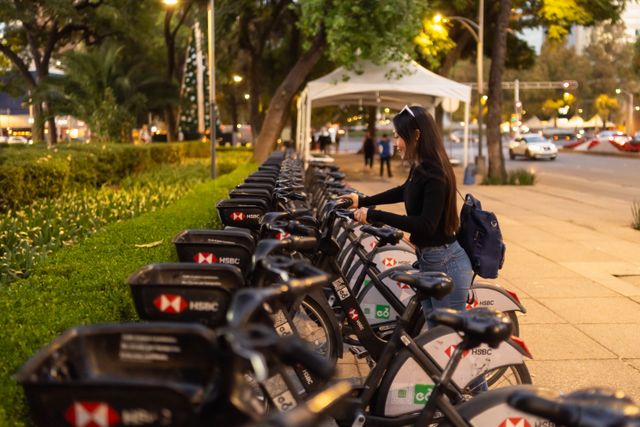
Starting a bike rental business might seem like a simple idea. Buy a few bikes, find customers, collect rental fees, and grow from there. But building a profitable business takes more than owning a fleet. Entrepreneurs must understand local demand, manage maintenance costs, attract repeat customers, and make the entire rental experience convenient.
The good news is that businesses around the world have shown how bicycle and motorcycle rentals can grow into successful ventures. Some focus on tourists exploring new cities, while others serve daily commuters, delivery workers, or people who need a vehicle for a short period.
Their experiences offer useful lessons for anyone planning to enter this market. Let's look at real businesses that have made bike rentals work and explore what aspiring entrepreneurs can learn from them.
Bounce is an Indian mobility company that became widely known for its scooter rental services. Founded in Bengaluru, the company built its business around a straightforward problem: getting around a busy city can be expensive, inconvenient, and time-consuming.
Traditional vehicle ownership involves expenses such as fuel, insurance, parking, and maintenance. Public transportation may not always provide convenient connections between a person's home, workplace, and other destinations.
Bounce introduced app-based scooter rentals that allowed customers to access vehicles without owning them. Its dockless rental approach made it possible for users to locate and unlock scooters through a mobile application.
The company attracted attention by focusing on short urban trips and making vehicle access more flexible. However, its journey also illustrates the operational challenges of shared mobility, including vehicle utilization, maintenance, parking, and changing market conditions.
What aspiring entrepreneurs can learn: Convenience can be a powerful selling point. A rental business does not always need an enormous fleet to get started. A small operator can serve a specific neighborhood, university area, or tourist destination and expand as demand grows.
The important thing is to make renting easier than the alternatives available to customers.
Vogo is another Indian mobility startup that entered the two-wheeler rental market. It focused on providing scooters for short-distance urban travel, particularly in cities where commuters frequently need flexible transportation.
Instead of requiring customers to purchase a vehicle for occasional use, the service offered access to scooters through a technology-based rental experience.
This model addressed a practical need. Someone travelling a few kilometres to a railway station, office, or college may not want to rely entirely on taxis or own a personal vehicle.
Vogo's experience also highlights an important point about the rental industry: solving a genuine problem does not automatically guarantee long-term profitability. Fleet financing, vehicle servicing, customer acquisition, and operational efficiency can make growth difficult.
What aspiring entrepreneurs can learn: Understand the frequency and purpose of local trips before investing in vehicles. Talk to commuters, students, tourists, and delivery workers. Their answers can help determine which vehicles to purchase, where to position them, and how to price rentals.
A clear target audience is often more valuable than trying to serve everyone from day one.
Lime is a global shared-mobility company known for its electric scooters and electric bicycles. Founded in 2017, it entered a market where people increasingly wanted alternatives to cars for short journeys.
The company's model centres on app-based access to shared vehicles. Customers can find an available scooter or bicycle, unlock it through the application, complete their trip, and end the rental according to local rules.
Lime's growth demonstrates how a familiar concept can be adapted to changing customer expectations. Bicycle rentals have existed for decades, especially in tourist destinations. Adding electric assistance and mobile technology created a different experience for people who wanted to travel farther without much physical effort.
Of course, operating at this scale requires significant investment, local regulatory compliance, vehicle rebalancing, repairs, and safety management.
What aspiring entrepreneurs can learn: You do not have to invent an entirely new service to build a business. Sometimes, improving an existing service makes the difference.
For example, a local bicycle rental operator could introduce electric bikes, online reservations, guided cycling routes, or convenient hotel delivery. Each addition should respond to a real customer need rather than simply increase costs.
BIXI Montréal offers another useful example of how bicycle rentals can become part of a city's transportation system.
Launched in Montréal in 2009, BIXI developed a public bike-sharing network that allows residents and visitors to access bicycles through a system of stations and membership or rental options.
Its approach differs from a small independent rental shop. Rather than serving only tourists or customers who visit a particular location, the network supports everyday travel across the city.
The service also demonstrates the importance of local partnerships, infrastructure, and seasonal planning. Weather conditions, bicycle availability, station locations, and maintenance all affect how well a public bike-sharing system performs.
What aspiring entrepreneurs can learn: Location can determine whether a rental business succeeds.
A bicycle rental shop near a scenic cycling route, beach, hotel district, or tourist attraction may attract a different customer base from a motorcycle rental service near a transport hub.
Before launching, study foot traffic, competing rental operators, road conditions, parking arrangements, and the time of year when demand is highest.
The right location can reduce marketing expenses and bring customers directly to the business.
Spinlister introduced a peer-to-peer approach to bicycle and outdoor equipment rentals. Instead of relying exclusively on a company-owned fleet, its marketplace model connected people who had equipment with others who wanted to rent it.
This approach offers an alternative to the traditional rental business, where the owner must purchase and maintain every vehicle.
A marketplace can potentially grow by attracting more equipment owners and renters. Owners may earn money from assets they do not use every day, while customers gain access to bicycles or other equipment without buying their own.
However, marketplace businesses must address trust, equipment condition, payment handling, availability, and disputes between users.
What aspiring entrepreneurs can learn: Owning every vehicle is not the only possible way to enter the rental industry.
Depending on local demand and applicable regulations, entrepreneurs could explore partnerships with bicycle owners, hotels, tour operators, or existing rental shops. They could manage bookings and customer service while partners provide the vehicles.
This approach may reduce the initial investment, although it requires clear agreements and consistent quality standards.
Note: These businesses illustrate different approaches to bike rentals and shared mobility. Their inclusion does not imply that every company has achieved sustained profitability or that their current operations are identical to their original models.
These examples show that there is no single formula for building a successful rental business. However, several principles appear repeatedly. Choosing the right bike rental business business model is one of the first decisions entrepreneurs must make. Depending on their target customers and budget, they can operate a traditional rental shop, offer app-based bookings, provide long-term rentals, or build partnerships with hotels and local tour operators.
A tourist looking for a bicycle for two hours has different needs from a delivery worker who needs a scooter for an entire month.
Decide whether your primary customers will be tourists, local commuters, students, delivery professionals, or businesses. This decision affects your fleet, pricing, location, and marketing strategy.
Buying too many vehicles before understanding demand can tie up capital and increase maintenance expenses.
Start with a small fleet of reliable, suitable vehicles. Track how often each one is rented, how much revenue it generates, and how much you spend keeping it operational.
Expand when the numbers support growth.
Customers should be able to check availability, understand rental charges, submit the required documents, and reserve a vehicle without unnecessary complications.
Even a small business can benefit from a website or application that handles bookings and keeps customer information organized.
For entrepreneurs who want to launch bike rental business operations without developing every digital feature from scratch, ready-made customizable software can provide a practical starting point. Platforms such as heloix.com offer ready-made customizable software products that businesses can adapt to their operational requirements, potentially reducing the effort involved in building a digital rental service.
A vehicle that frequently breaks down costs money and damages customer trust.
Create a regular maintenance schedule, inspect vehicles before and after rentals, and keep records of repairs. Set aside money for replacement parts and unexpected breakdowns.
Safety should never become an expense that gets postponed to improve short-term profits.
Low prices may attract attention, but they do not guarantee a sustainable business.
Calculate the cost of purchasing or financing each vehicle, insurance, maintenance, storage, staff, payment processing, and marketing.
Then estimate how many paid rental hours or days each vehicle needs to cover those expenses.
A business with fewer customers but healthy margins may be in a stronger position than one that attracts heavy demand at unprofitable prices.
If these stories have inspired you to enter the market, begin with research rather than purchasing vehicles immediately.
Step 1: Study local demand. Identify locations where people regularly need bicycles or two-wheelers for short periods.
Step 2: Research competitors. Compare rental prices, vehicle options, customer reviews, booking methods, and service quality.
Step 3: Prepare a financial plan. Estimate your startup investment, monthly operating expenses, expected rental income, and break-even point.
Step 4: Complete legal requirements. Depending on your location and vehicle type, you may need business registration, appropriate insurance, permits, rental agreements, and compliance with vehicle or road-safety regulations.
Step 5: Build your booking process. Decide how customers will reserve vehicles, make payments, submit identification, receive instructions, and report problems.
Step 6: Test the business on a small scale. Launch with a manageable fleet and collect feedback. Use actual booking data to determine which vehicles and rental packages perform best.
Step 7: Expand carefully. Add vehicles, locations, or services only when customer demand and operating performance justify the investment.
If you are planning a ready to launch bike rental business, remember that ready-made technology is only one part of the preparation. Vehicle availability, customer demand, operating costs, safety, and local compliance must also be addressed before accepting rentals.
The bike rental industry offers opportunities for entrepreneurs who understand how people travel and what makes renting convenient.
Bounce and Vogo demonstrate the challenges and opportunities of app-based scooter rentals in urban India. Lime shows how electric micro-mobility can reshape short journeys. BIXI Montréal illustrates the value of integrating bicycle sharing into a city's transportation network, while Spinlister highlights the potential of connecting equipment owners with renters.
Each model serves a different purpose, but the underlying lesson remains similar: a successful rental business solves a practical problem while managing its costs carefully.
You do not need to copy a global company or invest in hundreds of vehicles to get started. A well-positioned local rental service, a reliable fleet, transparent pricing, and a convenient booking experience can provide a solid foundation.
Study your market, test your assumptions, and grow based on evidence. In a business where vehicles generate revenue only when customers use them, smart operations can matter just as much as the original idea.
Please to post a comment
No comments yet
Be the first to share your thoughts.
@heloix_news
Growth
@heloix_news
Growth

@heloix_news
Growth

Subscribe for the latest on technology, business growth and digital transformation.