
HN
@heloix_news
Tech
Comment
359
The food delivery industry is entering a new phase as consumers increasingly depend on digital platforms to discover restaurants, order meals and receive food at their doorstep. What began as a convenience service has developed into a competitive digital business ecosystem involving restaurants, delivery partners, technology companies and independent food brands.
For entrepreneurs, this changing market is creating new opportunities. A food delivery business for beginners can w Will Remain at the Centre
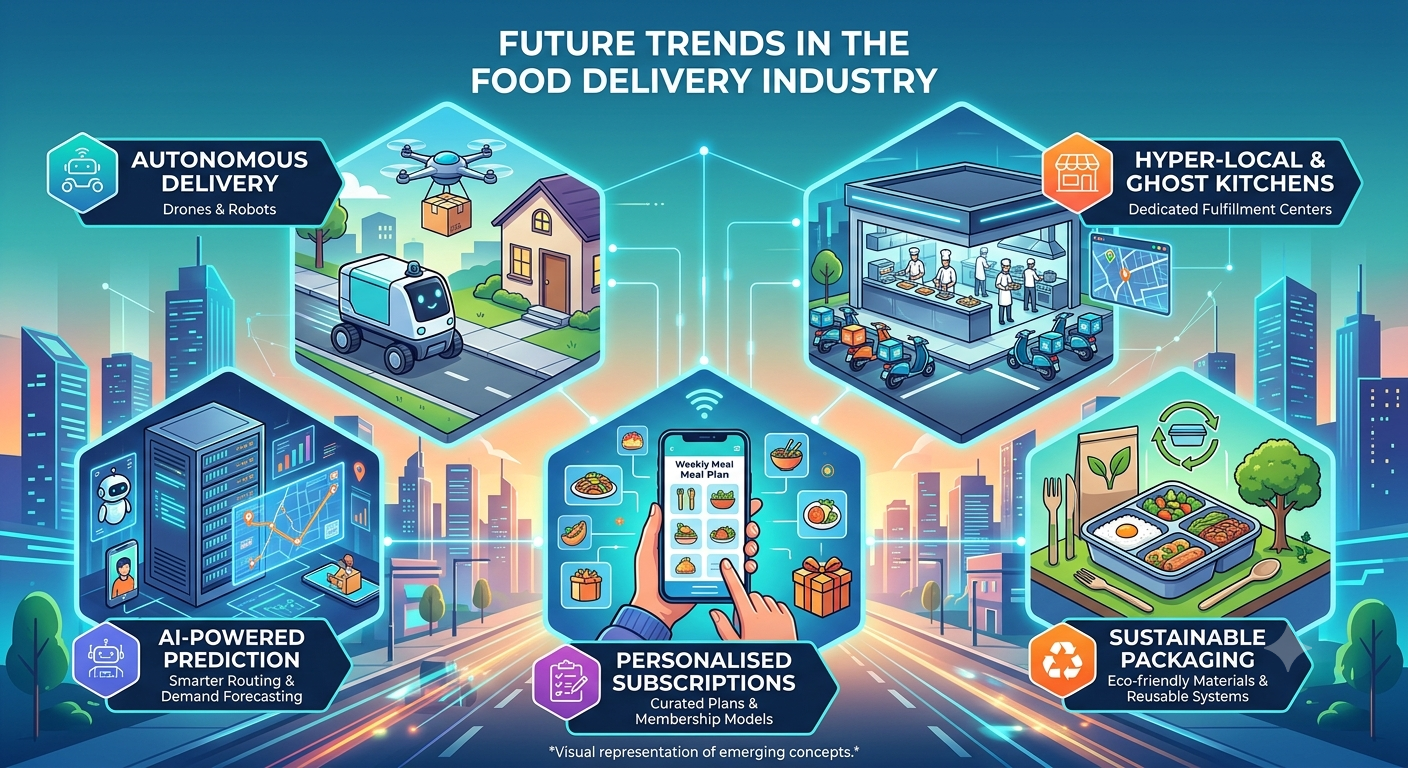
Technology is expected to play an even bigger role in food delivery. Mobile ordering, digital payments, GPS-based tracking, automated notifications and data analytics are becoming important parts of the customer experience.
Artificial intelligence may also help platforms understand customer preferences, recommend meals and improve delivery routes. For businesses, these technologies can support better inventory planning, customer engagement and operational decision-making.
As customers become accustomed to quick and convenient ordering, businesses that provide a smooth digital experience will continue to attract attention.
Hyperlocal Delivery Could Expand
Another important trend is the growth of hyperlocal food delivery. Instead of attempting to serve an entire city, new businesses can focus on specific neighbourhoods or communities.
This approach can help entrepreneurs understand local food preferences and potentially reduce delivery distances. Smaller restaurants, home-based food businesses, cloud kitchens and speciality food brands may benefit from platforms designed around particular locations or cuisines.
For someone planning to launch a food delivery business, identifying a specific target market can therefore be an important part of the early strategy.
Cloud Kitchens and Speciality Brands
Cloud kitchens are also influencing the industry's development. These businesses focus primarily on preparing food for delivery rather than operating traditional dine-in restaurants.
The model can allow entrepreneurs to experiment with different menus and concepts while concentrating on online customers. Speciality brands built around healthy meals, regional cuisines, desserts, snacks or customised diets may also find opportunities in this space.
Faster and Smarter Delivery
Customers increasingly expect accurate delivery estimates and convenient tracking. Future platforms are likely to invest further in route optimisation, real-time delivery updates and automated order management.
Businesses may also explore multiple delivery models, including their own delivery teams, third-party delivery partners and local logistics networks.
Personalisation Could Become a Competitive Factor
Food delivery platforms collect valuable information about ordering patterns, preferred cuisines and frequently purchased meals. Used responsibly, this information can help businesses provide more relevant recommendations and promotions.
Personalised offers, loyalty programmes and subscription-based services could become increasingly common as companies look for ways to encourage repeat orders.
Opportunities for New Entrepreneurs
The changing food delivery market is lowering some of the technology barriers that once made launching an online platform difficult. Entrepreneurs can explore ready-made technology solutions to create branded ordering platforms without developing every feature from scratch.
Businesses that are ready to launch a food delivery business can focus on their target customers, restaurant partnerships, pricing strategy and delivery operations while using existing technology to support the digital side of the business.
Companies such as "Heloix" (https://reference-url-citation.invalid/0) are part of the growing ecosystem of technology solutions that entrepreneurs can explore when planning digital business platforms.
Looking Ahead
The future of food delivery is likely to be shaped by convenience, localisation, automation and customer-focused technology. As consumer expectations evolve, businesses will need to combine reliable food service with an efficient digital experience.
For beginners, the opportunity is not limited to building another general-purpose delivery app. Niche cuisines, local communities, speciality food brands and innovative delivery models may create new avenues for growth. The next generation of food delivery businesses will increasingly compete through technology, service quality and their ability to understand changing customer needs.
Please to post a comment
No comments yet
Be the first to share your thoughts.
@heloix_news
Tech
@heloix_news
Tech

@heloix_news
Tech
Subscribe for the latest on technology, business growth and digital transformation.