HN
@heloix_news
AI/ML

Comment
366
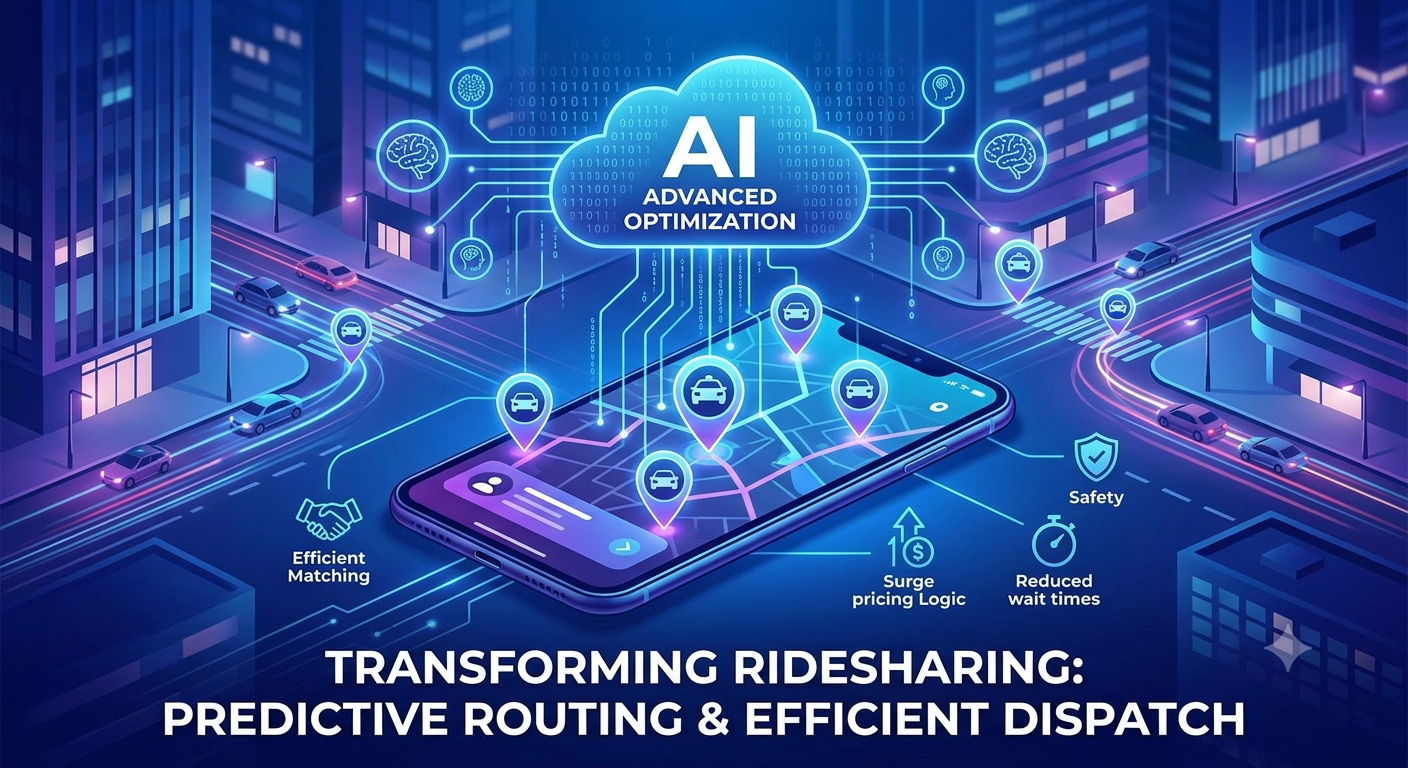
Artificial intelligence (AI) is rapidly changing the ride-sharing industry, helping businesses improve efficiency, enhance passenger experiences, and make transportation services more responsive. From intelligent route planning to automated customer support, AI-powered features are becoming an important part of modern ride-sharing app solutions.
As demand for convenient and technology-driven transportation continues to grow, entrepreneurs are exploring new ways to enter the market. Businesses considering the ride sharing app cost in India are increasingly evaluating AI capabilities alongside traditional development expenses. The overall investment can vary depending on features, customization, platform requirements, integrations, and the level of AI functionality included in the solution.
Smarter Ride Matching
One of the major ways AI is transforming ride-sharing applications is through intelligent driver-passenger matching. AI algorithms can analyze factors such as location, driver availability, traffic conditions, and previous trip patterns to identify suitable matches. This can help reduce waiting times and improve the utilization of available drivers.
AI can also support dynamic route recommendations. By processing traffic information and location data, intelligent systems can suggest efficient routes and help drivers avoid unnecessary delays.
Personalized User Experiences
Modern customers expect digital services to be fast and convenient. AI allows ride-sharing platforms to personalize the experience by analyzing user preferences and previous interactions. Applications can provide relevant ride suggestions, estimated arrival information, and personalized notifications.
AI-powered chatbots are another growing feature. They can handle common questions related to bookings, payments, cancellations, and trip information, allowing customer-support teams to focus on more complex issues.
Improved Safety and Fraud Detection
Safety remains a major consideration in the transportation sector. AI-powered systems can analyze unusual account activity, suspicious transactions, and irregular booking patterns. These capabilities can help platforms identify potentially fraudulent behavior and improve overall platform security.
AI can also assist with driver and passenger verification through automated identity and document-checking technologies, depending on the application's design and applicable regulations.
Helping Businesses Enter the Market
Entrepreneurs looking to launch ride sharing app solutions can now choose from customizable platforms rather than developing every component from scratch. Ready-made or white-label solutions can provide core features such as user registration, driver management, ride booking, payments, notifications, and administrative dashboards.
Businesses that want to become ready to launch ride sharing app services can further customize branding, features, payment gateways, and operational workflows according to their target market.
What Comes Next?
The integration of AI is expected to remain an important trend in ride-sharing technology. Predictive analytics, automated customer support, intelligent pricing tools, route optimization, and advanced safety features could continue to shape the industry's digital development.
For startups and established transportation businesses, AI provides opportunities to build more responsive and data-driven platforms. Companies exploring customized ride-sharing technology can learn more about available solutions and development approaches through "Heloix" (https://heloix.com).
As competition increases, the combination of AI, automation, and user-focused design is likely to play an increasingly important role in how ride-sharing platforms operate and serve their customers.
Please to post a comment
No comments yet
Be the first to share your thoughts.
Subscribe for the latest on technology, business growth and digital transformation.