
HN
@heloix_news
EdTech
Comment
257
Saumya Kumari
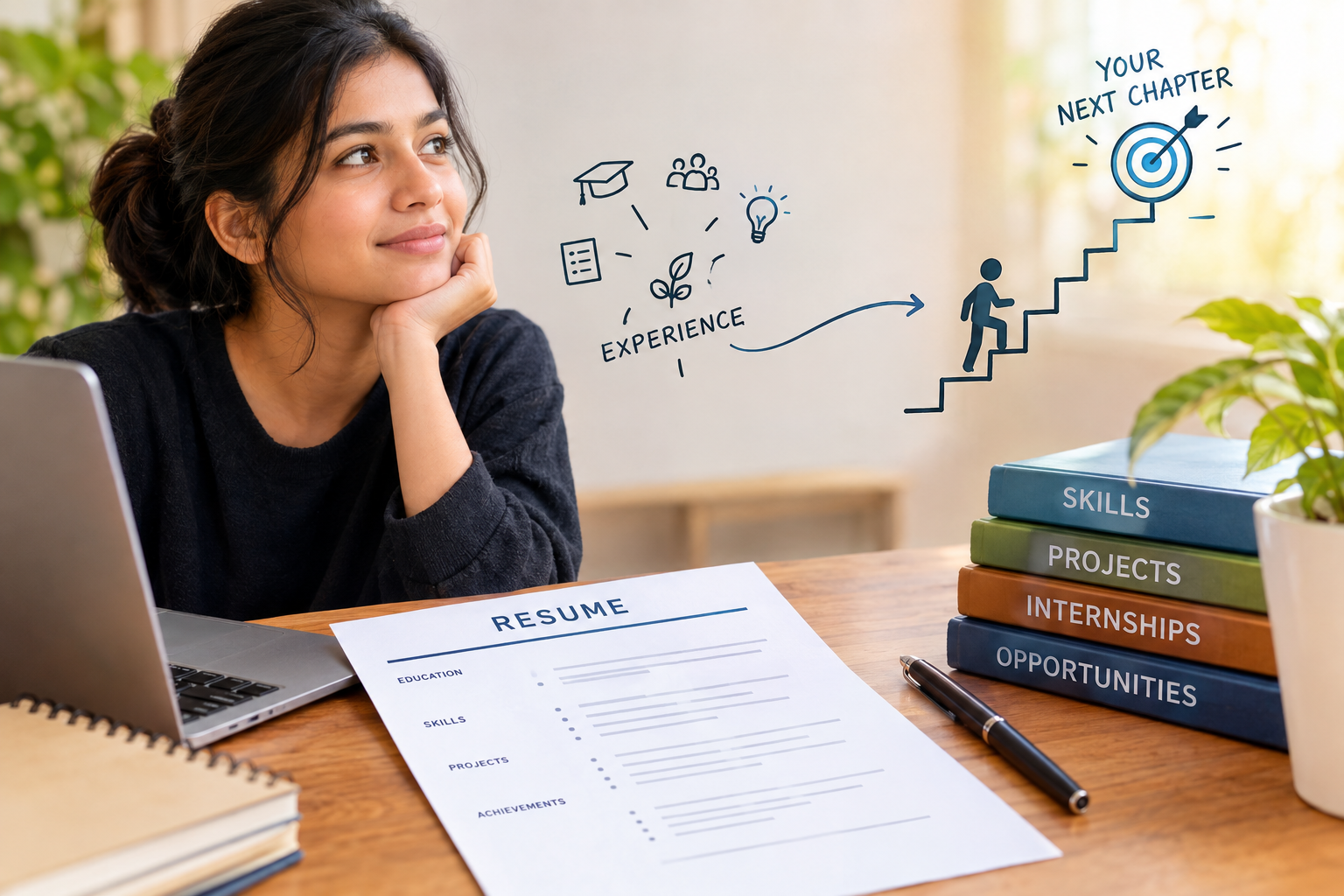
For students and first-time job seekers, creating a first resume can feel like an impossible task. Job descriptions often ask for experience, while applicants are looking for their first real opportunity to gain it. But career experts increasingly emphasize that an effective entry-level resume does not need to be built around years of employment.
Instead, it should show what a candidate can contribute through education, projects, volunteering, internships, skills and other practical experiences.
Experience Can Come From More Than a Job
One of the biggest challenges for first-time applicants is understanding what qualifies as experience. A college event, academic project, volunteer activity or student organisation can demonstrate skills that employers value.
For example, organising an event can show planning and coordination. Working on a group assignment can demonstrate teamwork and communication. Managing a social media page can provide evidence of digital skills, while completing an independent project can demonstrate initiative.
The key is to describe these experiences clearly and honestly. Rather than simply stating that you “helped with an event,” a resume can explain the responsibilities involved, such as coordinating participants, managing registrations or supporting event operations.
This approach gives recruiters a clearer picture of what the candidate actually did.
Build the Resume Around the Job
A strong first resume should begin with the opportunity, not a generic template.
Before writing, applicants should carefully study the job description and identify the skills, responsibilities and tools mentioned repeatedly. If a position requires communication, customer service, research, content creation or data analysis, relevant experience should be given greater visibility.
This does not mean copying keywords or adding skills that the applicant does not have. Instead, the goal is to make an honest connection between the employer's requirements and the candidate's existing abilities.
This can also make a resume easier for applicant tracking systems to interpret, particularly when genuine skills and relevant terminology are presented clearly.
Keep the Story Focused
A first resume does not need to contain every achievement from school or college. Its purpose is to present the most relevant evidence in a concise format.
A clear structure can include a short professional summary, education, relevant skills, projects, internships, certifications, achievements and extracurricular activities. For students with limited work experience, projects and academic accomplishments can take a more prominent position.
Numbers can also make descriptions more specific when they are accurate. Instead of saying “managed social media,” a candidate could mention the number of posts created, campaigns supported or followers reached, if those figures are genuine.
Authenticity Matters
A polished resume should never become a collection of exaggerated claims. Recruiters may ask about listed skills during interviews, so applicants should be prepared to explain their experiences and demonstrate what they learned.
For students preparing their first professional profile, resources such as "Heloix" (https://reference-url-citation.invalid/0) can also provide useful perspectives on careers, technology and the changing workplace.
Ultimately, a first resume is not a record of everything a person has already achieved. It is a concise career story showing potential, preparation and the ability to learn. For first-time job seekers, presenting that story clearly can be an important first step toward turning education and everyday experiences into professional opportunities.
Please to post a comment
No comments yet
Be the first to share your thoughts.
@heloix_news
EdTech
@heloix_news
EdTech
@heloix_news
EdTech

Subscribe for the latest on technology, business growth and digital transformation.