
HN
@heloix_news
Launch
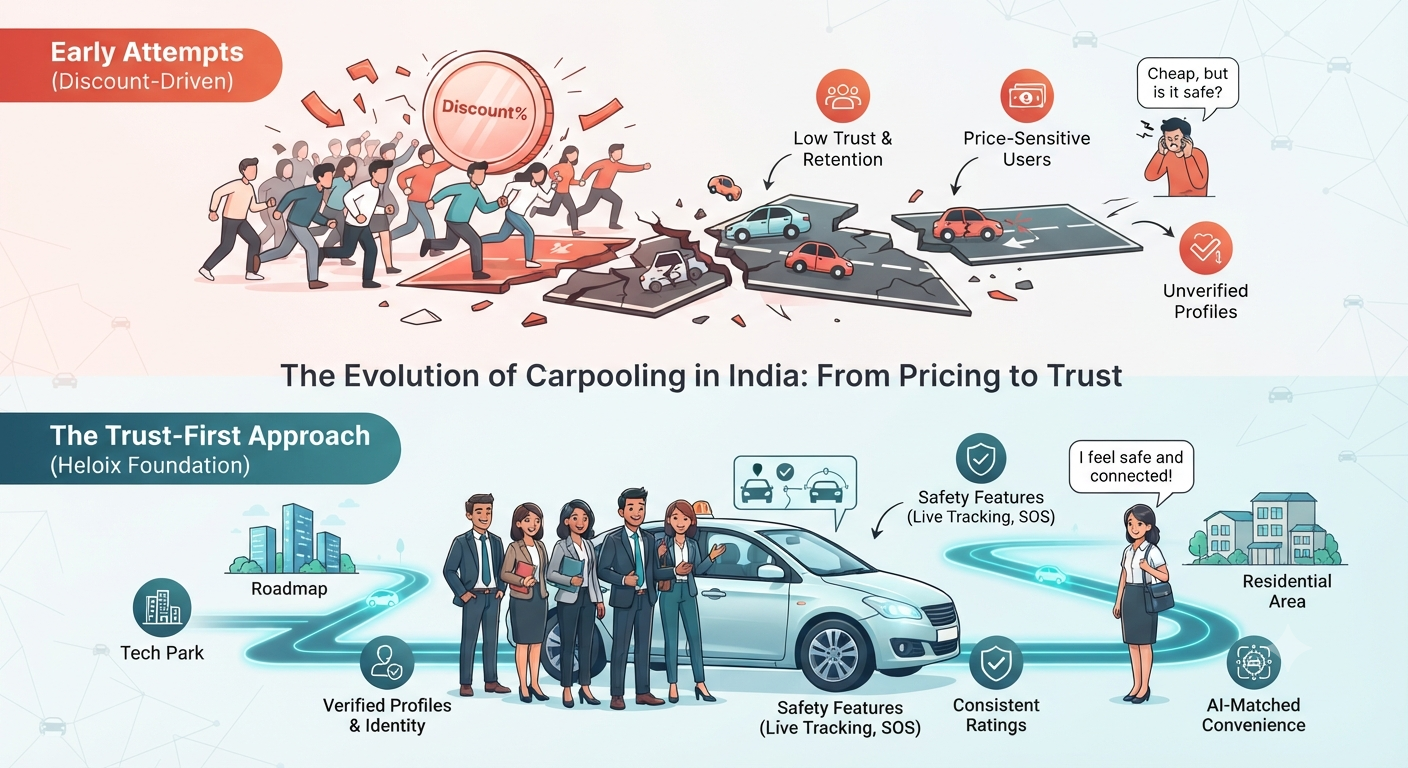
Carpooling Apps Are Making a Real Comeback in India, This Time Built Around Trust Signals, Not Just Discounts
#apps#carpooling
Comment
611
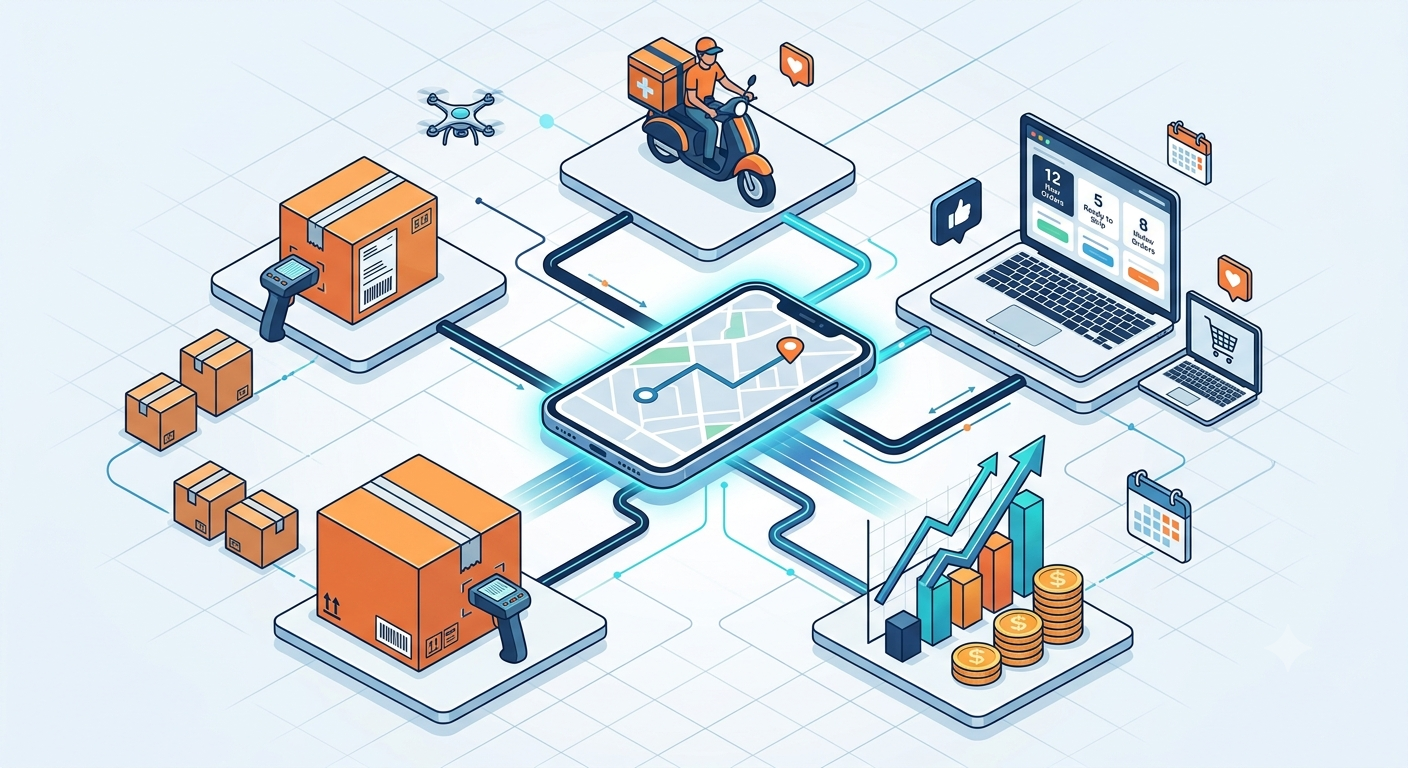
The global supply chain and logistics sector is undergoing a massive digital evolution. Fueled by e-commerce expansion, hyper-local commerce, and changing consumer expectations for fast delivery, modern businesses and individuals demand real-time transparency, automated dispatch, and instant parcel movement. At the center of this logistics transformation is the courier delivery app business model.
For modern tech entrepreneurs, logistics agency owners, and fleet managers, launching a digital courier delivery platform presents an ideal path to capture high-volume, recurring transaction revenue. In this comprehensive guide, we will break down how the courier delivery app model operates, explore primary revenue streams, examine how ready-to-launch software enables fast deployment, and present a step-by-step launch framework.
A courier delivery app is an integrated multi-sided digital ecosystem that connects senders (e-commerce merchants, businesses, or individual consumers) with courier drivers, delivery fleets, or independent dispatchers to facilitate parcel pickup, tracking, and last-mile delivery.
Instead of relying on manual waybills, phone calls, and localized depot bottlenecks, the app acts as a central logistics orchestrator. It uses automated route optimization, real-time GPS tracking, electronic proof-of-delivery (e-POD), and digital payment gateways to handle shipments seamlessly.
┌──────────────────────────────────────────────────────────┐
│              Courier Platform Engine                     │
│    (Smart Dispatch, Route Optimization & GPS Tracking)   │
└───────────────┬──────────────────────────────┬───────────┘
                │                              │
                ▼                              ▼
  ┌──────────────────────────┐   ┌──────────────────────────┐
  │  Senders / Merchants /   │   │ Delivery Drivers / Fleets│
  │  Individual Customers    │   │ (Fulfilling & Delivering)│
  └──────────────────────────┘   └──────────────────────────┘
On-Demand / Hyper-Local Point-to-Point Model: Connects individual senders or local shops directly with bike or van drivers for immediate, same-hour parcel transfer within a single city (e.g., Lalamove, Borzo, Dunzo).
Aggregator / Multi-Courier Booking Platform: Functions as a digital marketplace listing multiple established logistics carriers (e.g., FedEx, DHL, regional couriers), allowing merchants to compare rates, book shipments, and manage labels from one dashboard (e.g., Shiprocket, Parcel2Go).
Hub-and-Spoke Logistics Network: Manages end-to-end parcel collection, sorting hubs, inter-city transport, and last-mile delivery agents through a proprietary network (e.g., FedEx, Delhivery).
B2B E-Commerce Merchant Fulfillment: Focuses exclusively on providing scheduled bulk pickups, cash-on-delivery (COD) management, and fulfillment services for online store owners.
Courier platforms leverage diverse monetization channels across individual and business accounts:
| Revenue Model | Operational Mechanism |
| Distance & Weight-Based Delivery Fees | Charging senders a base rate plus incremental fees calculated dynamically on parcel weight, dimensions, and total delivery distance. |
| Merchant Commission / Transaction Margin | Taking a percentage margin or commission on every shipment booked through the platform or processed by third-party delivery partners. |
| Express / Surge Delivery Charges | Charging premium surcharges for urgent same-day delivery, scheduled delivery time-windows, or high-demand peak hours. |
| Cash-on-Delivery (COD) Handling Fees | Deducting a small percentage or fixed processing fee for collecting and settling cash payments on behalf of e-commerce sellers. |
| SaaS Subscription Memberships | Offering e-commerce merchants monthly subscription tiers that unlock discounted shipping rates, automated bulk label printing, and custom branding. |
| Value-Added Service Add-Ons | Charging additional fees for parcel insurance, fragile item handling, SMS delivery alerts, and return-to-origin (RTO) management. |
To deliver a seamless logistics experience, a complete courier software suite requires three distinct modules:
Customer / Merchant App & Web Portal: Easy parcel pickup requests, bulk CSV order imports, shipping calculator, label generation, real-time map tracking, and digital wallet integration.
Driver / Delivery Agent App: Instant job notifications, turn-by-turn route navigation, barcode parcel scanning, status updates, electronic proof-of-delivery (signature & photo capture), and earnings tracking.
Super Admin & Fleet Dashboard: Central management system for dispatch monitoring, automated driver assignment, pricing zone setups, COD settlement, and financial reporting.
Building a fully custom courier app ecosystem from scratch—including native mobile apps, complex routing algorithms, barcode label engines, and admin panels—can take 6 to 12 months and cost $30,000 to $80,000+ in custom software engineering.
Utilizing a ready-to-launch white-label courier delivery solution provides a faster, cost-effective alternative:
Rapid Launch Timeline: Turn key logistics features into a live, fully branded app suite in days or weeks instead of months.
Pre-Built Logistics Infrastructure: Built-in Google Maps GPS tracking, barcode scanning engines, dynamic pricing matrices, and automated payment checkouts come pre-configured out of the box.
Complete Source Code Ownership: Solution providers like Heloix offer complete ready-to-launch software business frameworks (such as CourierSquad or CargoSilo) with optional full source code ownership. This eliminates long-term vendor licensing lock-in and gives you total control to rebrand, customize, and scale your technology stack.
  ┌──────────────────────────────────────────────────────────┐
  │ 1. Define Your Logistics Model & Target Territory        │
  └─────────────────────────────┬────────────────────────────┘
                                │
                                ▼
  ┌──────────────────────────────────────────────────────────┐
  │ 2. Deploy Your Ready-to-Launch App Infrastructure        │
  └─────────────────────────────┬────────────────────────────┘
                                │
                                ▼
  ┌──────────────────────────────────────────────────────────┐
  │ 3. Configure Pricing Matrices & Payment Gateways          │
  └─────────────────────────────┬────────────────────────────┘
                                │
                                ▼
  ┌──────────────────────────────────────────────────────────┐
  │ 4. Recruit & Onboard Delivery Fleets or Couriers         │
  └─────────────────────────────┬────────────────────────────┘
                                │
                                ▼
  ┌──────────────────────────────────────────────────────────┐
  │ 5. Execute E-Commerce Merchant & Business Outreach       │
  └─────────────────────────────┬────────────────────────────┘
                                │
                                ▼
  ┌──────────────────────────────────────────────────────────┐
  │ 6. Scale Fleet Efficiency & Expand Coverage Zones       │
  └─────────────────────────────┴────────────────────────────┘
Avoid attempting to handle nation-wide express delivery on day one. Focus on a clear operational model and territory:
Intra-city hyper-local delivery (e.g., documents, groceries, electronics)
Same-day B2B last-mile delivery for regional online stores
Dedicated courier aggregator booking engine for international parcels
Acquire a pre-built courier delivery software system. Upload your custom logos, apply your brand color palette, setup custom web domains, and prepare application builds for submission to the Apple App Store and Google Play Store.
Establish clear operational pricing within your admin panel:
Set up base pickup fees, distance rates, and package dimension multipliers.
Connect automated payment gateways (e.g., Stripe, PayPal, Razorpay) to process digital wallet top-ups and online card payments.
Define cash-on-delivery (COD) collection and payout workflows for merchant accounts.
A courier app relies on active drivers and fleet reliability:
Recruit local riders or independent fleet drivers equipped with motorbikes, vans, or trucks.
Implement driver verification checks (ID verification, driver's licenses, and vehicle registrations).
Conduct brief onboarding on using the driver app for barcode scanning, route navigation, and collecting customer signatures.
Acquire persistent shipping volume through targeted marketing strategies:
Direct B2B Sales Outreach: Pitch local e-commerce stores, boutiques, print shops, and offices on automated daily parcel pickups and discounted volume rates.
Hyper-Local Digital Marketing: Run targeted social media and search ads highlighting fast pickup times and real-time parcel tracking.
Referral Incentives: Offer first-time shipping discounts or wallet credit bonuses for new businesses that join your platform.
Track core platform metrics including average pickup time, order fulfillment speed, proof-of-delivery success rates, and customer support ratings. Use real-time analytics to refine delivery dispatch algorithms, optimize routes, and expand into neighboring cities.
Please to post a comment
No comments yet
Be the first to share your thoughts.
@heloix_news
Launch
@heloix_news
Launch
@heloix_news
Launch

Subscribe for the latest on technology, business growth and digital transformation.