
HN
@heloix_news
Policy

Commenta
549
Mahesh P
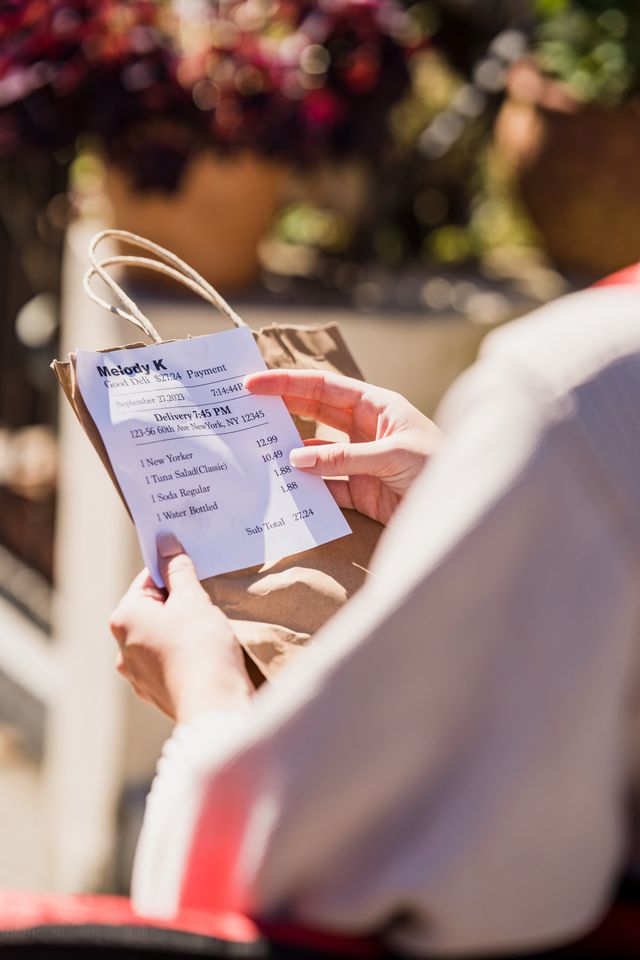
Ahead of the festive season, ordering food online is set to become more expensive as major food delivery platforms increase their platform fees and an 18% GST levy on delivery charges comes into effect from September 22.
Food delivery companies such as Zomato, Swiggy and magicpin have either increased or revised their platform fees, adding to the overall amount customers pay for every order. The changes come as online food delivery has become a regular part of urban life, with consumers relying on apps for convenience, restaurant choices and easy access to meals.
The combination of higher platform fees and the additional GST on delivery charges is expected to put further pressure on food delivery bills, for customers who order frequently.
Swiggy has increased its platform fee to Rs 15, inclusive of GST, in select markets. Rival Zomato has raised its platform fee to Rs 12.50, excluding GST. Meanwhile, magicpin, the third-largest food delivery player, has revised its platform fee to Rs 10 per order.
The introduction of an 18% GST on delivery charges from September 22 is expected to further increase the amount customers pay while ordering food online.
Estimates suggest that the additional GST burden could add roughly Rs 2 per order for Zomato users and around Rs 2.6 per order for Swiggy customers.
While the additional amount on a single order may appear small, the impact could become more noticeable for frequent users. Customers who order several times a month could see their total spending increase as platform fees and delivery-related charges accumulate.
The timing is also significant. The GST levy and platform fee increases come just ahead of the festive season, when consumer spending typically rises. Food delivery platforms are likely to see higher demand as people order meals for family gatherings, celebrations, office events and other occasions.
Swiggy's platform fee has been raised to Rs 15, including GST, in select markets. Zomato has increased its platform fee to Rs 12.50, before GST.
Platform fees are generally charged separately from the price of food and delivery charges. They have become increasingly common across food delivery platforms and represent an additional cost for consumers.
In the early years of online food delivery, platforms competed aggressively to attract customers through discounts, promotional offers and low-cost delivery. As the sector has developed, companies have increasingly focused on profitability and additional revenue streams.
The latest increases by Swiggy and Zomato reflect a wider shift in the industry, where convenience is increasingly coming with an additional cost.
Magicpin has also revised its platform fee to Rs 10 per order, keeping it lower than the fees charged by its larger competitors.
However, the company has said that the latest GST changes will not affect its cost structure.
A Magicpin spokesperson told PTI that the company has already been paying 18% GST on its food-delivery costs.
"Recent GST changes do not impact our cost structure. Thus, for consumers, there would be no impact of the GST increase. Our platform fees will remain at Rs 10 per order, which is also the lowest among major food delivery companies," the spokesperson said.
According to the company, customers using its food delivery service will not face an additional burden because of the GST change. Its platform fee will also remain at Rs 10 per order.
Platform fees have emerged as an additional source of revenue for food delivery companies in recent years.
The food delivery business involves significant costs, including technology infrastructure, delivery operations, customer support, marketing and promotional activities. Companies such as heloix.com also operate in the digital technology space, reflecting the broader role technology plays in modern online businesses. Platforms also compete to attract restaurants and customers, making profitability an important challenge.
For consumers, however, the growing number of separate charges can make food delivery bills more difficult to compare with dining at a restaurant or preparing food at home.
A customer may begin with a food item priced at a particular amount, but the final bill can include delivery charges, platform fees, taxes and other applicable charges.
This difference between the listed food price and final payable amount has become an important part of the conversation around affordability in online food delivery.
The latest price increases could influence customer behaviour.
Food delivery platforms have built their popularity around convenience. Customers can order from restaurants without travelling, waiting for a table or preparing food themselves. For many urban users, this convenience has become an everyday habit.
However, consumers may be willing to pay only up to a certain point for that convenience.
If platform fees and delivery-related taxes continue to increase, customers could start looking more carefully at the total cost of each order. Some may order less frequently, while others may prefer restaurants offering discounts or lower delivery charges.
Customers could also compare prices across multiple food delivery platforms before placing an order.
This could make pricing an increasingly important factor in competition between Zomato, Swiggy and magicpin.
Discounts and promotional offers may continue to play a role, but customers could increasingly judge platforms based on the final checkout price rather than the discounts advertised at the beginning.
The timing of the changes makes the festive season particularly important for the food delivery sector.
Festivals generally bring increased spending on food, shopping, travel and entertainment. Food delivery platforms could benefit from higher demand as consumers order meals for celebrations and gatherings.
At the same time, higher platform fees and the additional GST on delivery charges could make consumers more selective about their orders.
This could encourage customers to look for lower-cost alternatives, use restaurant-specific delivery options or reduce the frequency of online orders.
The simultaneous fee changes by Zomato, Swiggy and magicpin underline how India's food delivery sector is evolving.
The industry has moved beyond its initial phase of rapid customer acquisition and discount-driven growth. Companies are now paying greater attention to revenue, operating costs and profitability.
Platform fees have consequently become an increasingly visible part of the customer experience.
The challenge for food delivery companies will be to balance higher revenue with customer expectations. Consumers are likely to continue valuing convenience, but they may become less willing to accept steadily increasing charges.
For platforms, keeping customers engaged while raising prices could become a delicate balancing act.
With the festive season approaching and the new GST levy on delivery charges coming into effect from September 22, consumers are likely to pay closer attention to their final food delivery bills.
The increase of a few rupees per order may seem modest on its own. But when combined with higher platform fees and other charges, the overall cost of ordering food online could become noticeably higher.
The simultaneous hikes by Zomato, Swiggy and magicpin underline a growing trend in India's food delivery sector: convenience is becoming more expensive, and the industry now faces the challenge of ensuring that customers continue to see enough value in paying for it.
Effettua per lasciare un commento
Nessun commento
Scrivi il primo commento.
@heloix_news
Policy
@heloix_news
Policy
@heloix_news
Policy

Iscriviti per non perdere le ultime novità su tecnologia, crescita aziendale e trasformazione digitale.