
HN
@heloix_news
Tech

How to Launch a NFT Marketplace in Just 3 Days
#NFTMarketplace#NFTs#DigitalAssets
Comment
701
Mahesh P
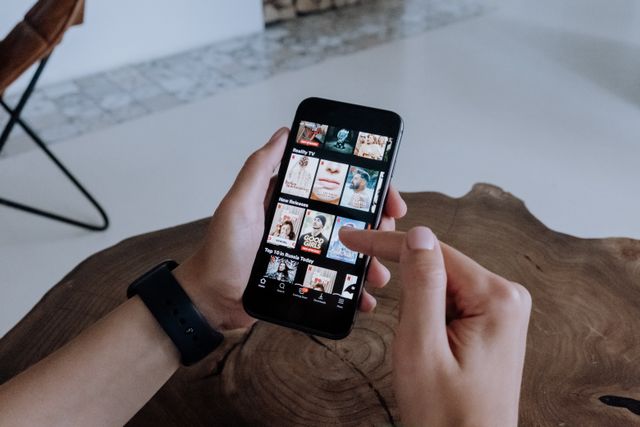
The way people watch videos has changed dramatically over the past decade. Viewers no longer depend on television schedules or physical media to enjoy their favorite content. Today, they expect to watch movies, live events, educational videos, and exclusive shows whenever they want.
This shift has created opportunities for entrepreneurs who want to build their own video streaming businesses. While Netflix and YouTube dominate much of the market, smaller platforms have also found success by focusing on specific audiences and offering something different.
For aspiring founders, these businesses provide valuable lessons. You do not necessarily need a massive production budget or millions of subscribers on day one. A clear audience, a useful business model, and a platform that delivers a good viewing experience can give your startup a strong foundation.
Let's look at some real entrepreneurial success stories and explore what they can teach anyone planning to enter the streaming industry.
Netflix began in 1997 as a DVD rental business founded by Reed Hastings and Marc Randolph. Instead of following the traditional video rental model, the company allowed customers to rent DVDs through the mail.
Its subscription model offered an alternative to individual rental fees, helping customers enjoy movies with greater convenience.
However, Netflix did not stop there. As internet technology improved, the company introduced online streaming in 2007. It later invested heavily in original productions, creating exclusive content that attracted viewers around the world.
Shows such as Stranger Things and The Crown helped strengthen its identity beyond a place to watch existing movies and television programs.
What entrepreneurs can learn: Netflix's journey demonstrates the importance of adapting to changing customer behavior. The business evolved as technology and viewing habits changed rather than relying on its original model forever.
A new streaming startup can apply the same principle by starting with a focused offering, listening to viewers, and improving its service as the audience grows.
Not every successful streaming platform needs to appeal to everyone.
Crunchyroll built its identity around anime and related entertainment. Its focus helped it connect with viewers who wanted convenient access to Japanese animated content, subtitles, and a community of fellow fans.
The platform developed from an early online service into a major anime streaming brand. Over time, it expanded its content library, subscription offerings, and international reach. Sony acquired Crunchyroll from AT&T in 2021, bringing it into Sony's broader anime entertainment business.
Its growth illustrates the commercial value of serving a clearly defined audience.
Rather than competing directly with every entertainment service, a niche platform can build loyalty by understanding the interests of its viewers.
What entrepreneurs can learn: Identify an audience with specific needs that existing platforms do not fully address.
For example, a streaming startup could focus on regional films, independent documentaries, fitness classes, professional training, or content for a particular language community.
A smaller audience can still support a viable business when viewers find the content valuable enough to return and pay for access.
Twitch took a different approach to online video. Instead of concentrating primarily on professionally produced movies and television shows, it built its business around live broadcasts and interactive communities.
Launched in 2011, Twitch became particularly popular among gamers who wanted to stream gameplay, watch other players, and interact through live chat.
Its appeal extended beyond the videos themselves. Viewers could communicate with streamers, support their favorite creators, and participate in communities built around shared interests.
Amazon acquired Twitch in 2014, giving the platform access to additional resources as it continued to expand.
What entrepreneurs can learn: People do not always watch videos simply for entertainment. They may also want interaction, belonging, and direct access to creators.
A streaming startup can incorporate features such as live chat, audience questions, creator profiles, community discussions, and paid memberships.
These features can encourage viewers to spend more time on the platform and give them reasons to return.
However, interactive features should support the platform's main purpose. Adding too many features before understanding the audience can increase costs without improving engagement.
MasterClass demonstrates that streaming platforms can succeed by delivering specialized knowledge rather than entertainment alone.
The company offers online classes taught by well-known professionals across subjects such as cooking, filmmaking, writing, business, and sports.
Its approach combines professionally produced video lessons with recognizable instructors and a subscription-based business model.
Instead of competing with free video platforms on volume, MasterClass emphasizes carefully produced lessons and access to expertise from experienced practitioners.
This positioning gives the platform a distinct identity in the online learning market.
What entrepreneurs can learn: Viewers may be willing to pay for content that helps them achieve a specific goal.
A founder could build a streaming platform for professional development, exam preparation, creative skills, business training, or industry-specific education.
The key is to offer a clear benefit. If customers can understand how the content will help them solve a problem or develop a skill, the service becomes easier to position and market.
MUBI built its identity around a different kind of movie-watching experience. Rather than competing solely on the size of its library, it focuses on independent, international, and carefully selected cinema.
The company began in 2007 and developed a following among viewers who wanted to discover films that might not receive as much attention on mainstream entertainment platforms.
Its curated approach helps the service stand out in a market where viewers can already choose from enormous libraries of movies and television shows.
MUBI has also expanded beyond streaming into film distribution and theatrical releases, creating additional ways to connect audiences with independent cinema.
What entrepreneurs can learn: More content does not automatically mean more value.
A well-organized collection that matches a specific audience's interests can be more attractive than a large library without a clear identity.
For a new streaming business, this could mean selecting high-quality regional productions, showcasing emerging filmmakers, or creating a platform dedicated to a particular genre.
A recognizable editorial direction can help build trust and make marketing more focused.
Although these businesses operate in different segments, their journeys reveal several practical lessons for aspiring streaming entrepreneurs.
Trying to compete with Netflix from the beginning is rarely a sensible strategy for a new business.
Instead, identify a specific audience and understand what it wants to watch. Research existing competitors, examine their weaknesses, and look for an opportunity to deliver a better experience.
A focused audience makes it easier to develop relevant content and reach potential customers through targeted marketing.
Streaming platforms can generate revenue in several ways.
Subscription video on demand allows viewers to pay recurring fees. Advertising-supported streaming offers free access while generating revenue from advertisements. Transactional models charge users for individual rentals or purchases.
Some businesses also combine subscriptions with advertising, pay-per-view events, or premium memberships.
The right choice depends on the content, audience, operating costs, and willingness of customers to pay.
Even excellent content can struggle to retain viewers when a platform is difficult to use.
Customers expect reliable playback, quick loading, simple navigation, and compatibility with their preferred devices. They may also expect personalized recommendations, secure payments, and flexible subscription options.
Founders should consider these requirements before launching and test the service with real users.
A streaming platform needs content that gives people a reason to visit.
Depending on the business model, founders might license existing videos, partner with independent creators, commission original productions, or allow approved users to upload their own work.
Each approach involves different costs and operational challenges.
Copyright permissions are especially important. Having a video file does not automatically give a business the legal right to distribute it. Content licensing, creator agreements, and regional distribution rights should be handled carefully.
Turning an idea into a functioning service involves more than choosing a name and uploading videos.
Start by defining your target audience, the type of content you will offer, and how the business will make money. Next, estimate your initial budget and identify the essential features required for your first version.
These may include user registration, video hosting or delivery integration, subscription management, payment processing, and an administration dashboard for managing content.
You should also consider streaming quality, content security, privacy requirements, scalability, and the costs of storing and delivering video. These expenses can increase as viewing hours and audience numbers grow.
Building every component from scratch can require substantial time, technical expertise, and financial investment. For entrepreneurs looking for a ready to launch video streaming platform, ready-made customizable software can reduce development time and help simplify the process of getting started.
For example, heloix.com offers ready-made customizable software products that entrepreneurs can explore when building their digital businesses. Before making a decision, evaluate the platform's streaming capabilities, payment integration, scalability, and overall cost to ensure it fits your business goals.
If you want to launch video streaming platform services, begin with a manageable feature set, test it with a small group of users, and improve the product using their feedback. A limited initial release can help you identify technical issues before investing heavily in marketing and expansion.
Entrepreneurs researching a video streaming platform startup guide should also prepare a realistic financial plan. Include software costs, content licensing, hosting, marketing, customer support, and ongoing maintenance rather than budgeting only for the initial launch.
Netflix, Crunchyroll, Twitch, MasterClass, and MUBI show that there is no single formula for building a successful streaming business.
Some grew by embracing new technology. Others focused on niche audiences, interactive communities, specialized education, or carefully selected content.
The common lesson is that successful platforms give people a compelling reason to choose them.
You do not need to build the next Netflix overnight. Start by solving a specific problem for a defined audience, choose a suitable revenue model, and invest in a dependable viewing experience.
With careful planning, the right technology, and a clear understanding of your customers, a focused streaming startup can begin small and develop into a sustainable business over time.
Please to post a comment
No comments yet
Be the first to share your thoughts.
@heloix_news
Tech
@heloix_news
Tech

@heloix_news
Tech

Subscribe for the latest on technology, business growth and digital transformation.