
HN
@heloix_news
Policy
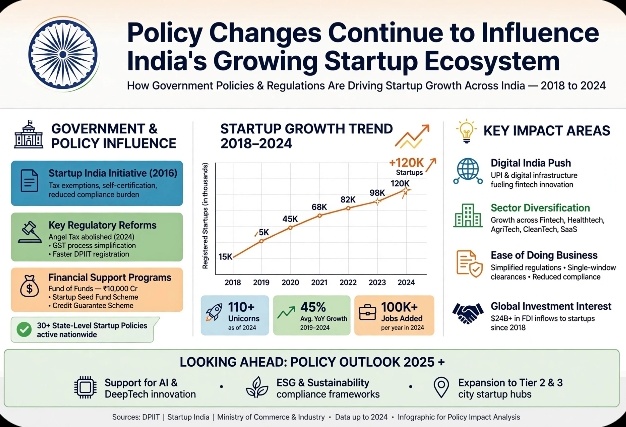
Policy Changes Continue to Influence India’s Growing Startup Ecosystem
#Policy#StartupIndia#Business#Government#Entrepreneurs
Comentar
1.5K
Sumit sanjay
In 2018, Willie Walsh, then chief executive of International Airlines Group, which owns British Airways, openly criticised London's Heathrow Airport over its expansion plans. In a Financial Times column, he argued that the airport was charging excessive fees and operating with little accountability.
Walsh believed that if Britain wanted to become a competitive global trading hub after Brexit, Heathrow needed to become more affordable. He also questioned the role of the Civil Aviation Authority (CAA), which regulates the airport's investments and effectively allows it to maintain guaranteed profit margins.
To support his argument, Walsh highlighted a striking example. British Airways had asked Heathrow to install three self-boarding gates at each of the 12 conventional boarding gates in Terminal 5. According to suppliers, the work should have cost approximately £720,000. However, Heathrow estimated the project would cost £7.8 million.
For Walsh, this illustrated how airports with limited competition could charge airlines significantly higher prices without facing sufficient scrutiny.
His criticism appears particularly relevant today. Heathrow's expansion has become one of the most expensive airport development projects, while its passenger charges remain among the highest globally.
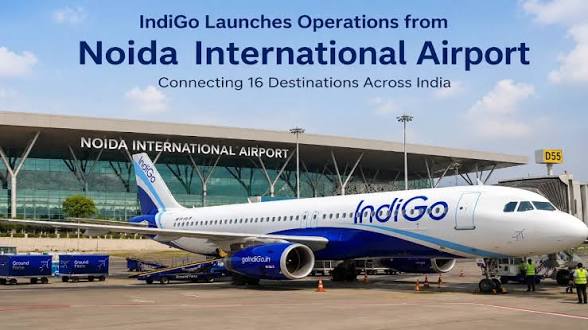
Nearly eight years later, Walsh is making a similar argument, this time in India as the chief executive of IndiGo, the country's largest airline.
At a media briefing on Monday, Walsh called for lower taxes and airport charges, arguing that airports function as effective monopolies. He said airlines would continue pushing airport operators to offer better value and more competitive pricing.
The timing of his comments is significant. During the September quarter, IndiGo's total expenses increased by around 20% compared with the previous year. Higher aviation fuel prices and the rupee's depreciation against the dollar contributed significantly to the rise. Payments to airports also increased by nearly 10%.
Walsh acknowledged that fluctuations in jet fuel prices would remain a challenge for the aviation industry. With limited control over fuel costs, reducing expenses elsewhere has become increasingly important. Airport charges are now among the areas where IndiGo wants greater cost efficiency.
However, India's airport industry is itself highly concentrated. Two major business groups, Adani and GMR, collectively manage 14 airports, including major aviation hubs in Delhi, Mumbai, Ahmedabad and Hyderabad.
There is, however, an interesting contradiction in Walsh's argument. While he is criticising airport operators for their market dominance, IndiGo has also faced criticism over its own growing influence in India's aviation market.
In December 2025, the airline cancelled approximately 2,500 flights, partly due to inadequate preparation for changes in mandatory pilot rest requirements. The disruption attracted widespread criticism, with opposition leader Rahul Gandhi describing it as a consequence of the government's monopoly model.
GR Gopinath, the founder of Air Deccan, also described IndiGo as a de facto monopoly in Indian skies.
The backlash became significant enough for IndiGo co-founder Rahul Bhatia to publicly defend the airline's approximately 65% market share.
Bhatia argued that a substantial portion of the airline's market share came from routes where no competing airline operated. He pointed to nearly 250 city pairs where IndiGo was the only airline providing connectivity, maintaining that the company was serving destinations that other airlines had chosen not to enter.
This raises a larger question about competition in India's aviation sector. If airport operators are expected to remain accountable for their pricing because of their market power, should airlines with similarly dominant positions face the same scrutiny?
Walsh's criticism of airport charges highlights an important challenge for India's aviation industry: balancing the commercial interests of airports and airlines while ensuring that passengers ultimately benefit from affordable and competitive air travel.
Por favor, para publicar um comentário
Nenhum comentário ainda
Seja o primeiro a compartilhar sua opinião.
@heloix_news
Policy
@heloix_news
Policy

@heloix_news
Policy

Inscreva-se para receber as últimas novidades sobre tecnologia, crescimento de negócios e transformação digital.