
HN
@heloix_news
Growth

How to Launch a Hotel Booking System in Just 3 Days
#HotelBookingSystem#HotelBookingPlatform#OnlineHotelBooking
Comment
676
Mahesh P
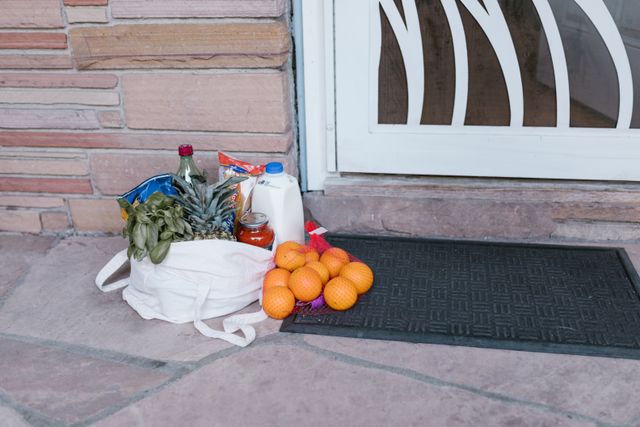
Buying groceries used to mean making a shopping list, visiting a nearby store, waiting in queues, and carrying everything home. Today, many customers can complete the same task using a smartphone. A few taps are enough to order fresh vegetables, milk, snacks, and household essentials without leaving home.
This change has created opportunities for entrepreneurs who want to build businesses around everyday shopping habits. From local grocery stores offering home delivery to technology-driven platforms serving entire cities, grocery delivery businesses have found different ways to meet customer needs.
However, building a successful grocery delivery business involves more than creating an app. Entrepreneurs must manage inventory, delivery operations, customer expectations, and competition while keeping the business financially sustainable.
Looking at real companies that have grown in this industry can help aspiring founders understand what works, which challenges to expect, and how to approach their own ideas.
Blinkit, formerly known as Grofers, is one of India's best-known examples of a grocery delivery business that adapted to changing customer expectations.
The company originally focused on helping people order groceries online. Over time, it shifted toward quick commerce, building a model designed to deliver everyday products within a much shorter time frame.
Its growth reflects an important change in consumer behavior. Customers do not always want to plan grocery shopping days in advance. Sometimes, they need milk before breakfast, snacks for unexpected guests, or ingredients they forgot to purchase.
Blinkit's model focuses on making these purchases convenient. Its operations rely on strategically located dark stores, inventory management, and delivery coordination.
What entrepreneurs can learn: Speed can be a competitive advantage, but it requires careful planning. Founders should understand local demand, stock frequently purchased products, and choose delivery areas that can be served efficiently. Promising extremely fast delivery without the right infrastructure can increase costs and disappoint customers.
BigBasket demonstrates another approach to grocery delivery: offering a broad selection of products and making regular household shopping more convenient.
Founded in India in 2011, the company built its business around online grocery shopping, allowing customers to order fresh produce, packaged foods, personal care products, and other household essentials.
Rather than relying solely on speed, BigBasket developed a service around product variety, dependable fulfilment, and the convenience of ordering multiple household needs in one place. Its operations have also evolved to include different delivery formats as customer expectations have changed.
Freshness is particularly important in this business. Customers want vegetables that arrive in good condition, products that match their orders, and reliable delivery schedules.
What entrepreneurs can learn: A grocery app does not have to compete with every major platform on delivery speed. A smaller business can differentiate itself through fresh local produce, carefully selected products, dependable scheduled deliveries, or excellent customer service.
For entrepreneurs entering a smaller market, building trust with a focused customer base may be more practical than trying to serve an entire city immediately.
Instacart offers a different business model. Instead of depending entirely on a network of company-owned grocery stores, its platform connects customers with participating retailers and personal shoppers who help fulfil orders.
Founded in 2012 in North America, Instacart grew by addressing a simple problem: many people wanted groceries delivered but preferred shopping from familiar supermarkets.
The model gives participating retailers another way to reach customers while allowing shoppers to place orders online. It also demonstrates how technology can connect different participants within a single service.
Of course, the model comes with operational challenges. Products may be unavailable, customers may request substitutions, and shoppers must communicate clearly when an item cannot be found.
What entrepreneurs can learn: Owning every part of the supply chain is not the only way to enter the grocery delivery market. Partnerships with neighbourhood supermarkets, independent grocery stores, and specialty food retailers can provide a starting point without requiring entrepreneurs to build a large inventory network themselves.
This approach may be especially useful for founders who already have relationships with local retailers.
Zepto entered India's grocery delivery market with a strong emphasis on quick commerce. Its business focuses on meeting customers' immediate needs through a technology-supported fulfilment and delivery network.
The company's growth illustrates how a business can build its identity around a specific customer expectation: receiving frequently needed products quickly.
Yet rapid delivery requires more than a well-designed ordering screen. Stock must be available close to customers, orders need to be prepared efficiently, and delivery routes must be managed carefully.
These requirements can make expansion expensive, particularly when demand is unpredictable or order volumes are too low to support local operations.
What entrepreneurs can learn: Before promising rapid delivery, founders should identify a small service area and measure actual demand. A limited delivery radius, a carefully chosen product catalogue, and realistic delivery estimates can help a new business control costs while learning what customers want.
The goal should be to create a service customers can rely on, rather than making promises that are difficult to maintain.
JioMart illustrates the opportunity created by combining digital ordering with an established retail ecosystem. Launched in India in 2020, the platform expanded the ways customers could discover and purchase groceries and other products through digital channels.
Its broader lesson is that entrepreneurs do not necessarily need to build every business capability from scratch. Existing stores, supplier relationships, distribution networks, and local knowledge can all support an online grocery operation.
For a neighbourhood retailer, this could mean starting with a simple ordering website or app, accepting digital payments, and coordinating deliveries to nearby households.
The challenge is to make the online experience consistent with the offline business. Stock availability, pricing, order accuracy, and delivery commitments need to be managed across both channels.
What entrepreneurs can learn: Existing businesses can use technology to extend their reach. A local grocery store with loyal customers may have an advantage over a new competitor because it already understands purchasing habits and has established supplier relationships.
Although these companies follow different business models, their experiences reveal several useful principles for anyone planning to enter the market.
Convenience can mean different things to different customers. Some want groceries delivered immediately, while others care more about fresh produce, affordable prices, or the ability to schedule weekly orders.
Research your target customers before deciding which features your app needs.
Serving an entire city from day one can require substantial investment in logistics, inventory, and customer acquisition.
A more practical approach may be to launch in one neighbourhood, partner with a few stores, and expand after the operation becomes reliable.
An attractive app cannot compensate for products that are frequently unavailable. Keep product listings updated, track stock carefully, and establish clear procedures for replacements and refunds.
Grocery shopping is a recurring activity, which creates opportunities for repeat business. Accurate orders, reasonable delivery charges, responsive support, and consistent product quality can give customers a reason to return.
Revenue alone does not determine whether a grocery delivery business is profitable. Entrepreneurs must account for product margins, delivery costs, packaging, payment fees, discounts, staff, and technology expenses.
Understanding these costs early can help founders avoid growing a business that loses money on every order.
If these examples have inspired you, begin by exploring grocery delivery app business ideas that suit your location, resources, and customer base.
You could build a neighbourhood grocery delivery service, create a platform connecting local stores with customers, specialize in organic produce, or offer scheduled deliveries for households and small offices.
Once you choose a model, validate it with potential customers and local retailers. Find out which products people order most often, what delivery charges they consider reasonable, and which existing services leave room for improvement.
The next step is to launch grocery delivery app operations with the features your business actually needs. These might include customer registration, product browsing, shopping carts, secure payments, order tracking, delivery management, inventory updates, and an administrative dashboard.
You should also decide whether to build custom software, use an existing platform, or work with a ready-made solution. Developing everything from scratch can offer flexibility, but it may require more time, money, and technical expertise.
Entrepreneurs who want a faster starting point can explore ready-made customizable software products from heloix.com, which can help them establish a digital foundation and adapt available functionality to their business requirements.
Before committing, evaluate whether the software supports your essential workflows, can scale with demand, and fits your budget.
A ready to launch grocery delivery app solution can reduce the time needed to establish the technology side of the business, but it does not eliminate the need for market research, reliable suppliers, delivery planning, and customer acquisition.
Start with a realistic operating plan, test the service with a limited group of customers, and improve it using actual feedback.
The success stories of Blinkit, BigBasket, Instacart, Zepto, and JioMart show that grocery delivery is not a single business model. Entrepreneurs can compete through speed, product variety, retailer partnerships, convenience, or strong relationships with local customers.
You do not need to replicate a major platform to build a viable business. In fact, trying to compete directly with established companies on every feature may make the journey more difficult.
Instead, identify a customer need that is not being served well, choose a business model that matches your resources, and build a dependable service around it.
Technology can help you get started, but lasting success comes from understanding customers, controlling costs, and delivering on your promises. A small grocery delivery business that consistently serves its customers well can have a stronger foundation for growth than a much larger operation built without a clear plan.
Please to post a comment
No comments yet
Be the first to share your thoughts.
@heloix_news
Growth
@heloix_news
Growth
@heloix_news
Growth
Subscribe for the latest on technology, business growth and digital transformation.