
HN
@heloix_news
Fintech

How to Launch a Crypto Exchange Platform in Just 3 Days
#CryptoExchangePlatform#CryptocurrencyExchange#CryptoTrading
Comment
588
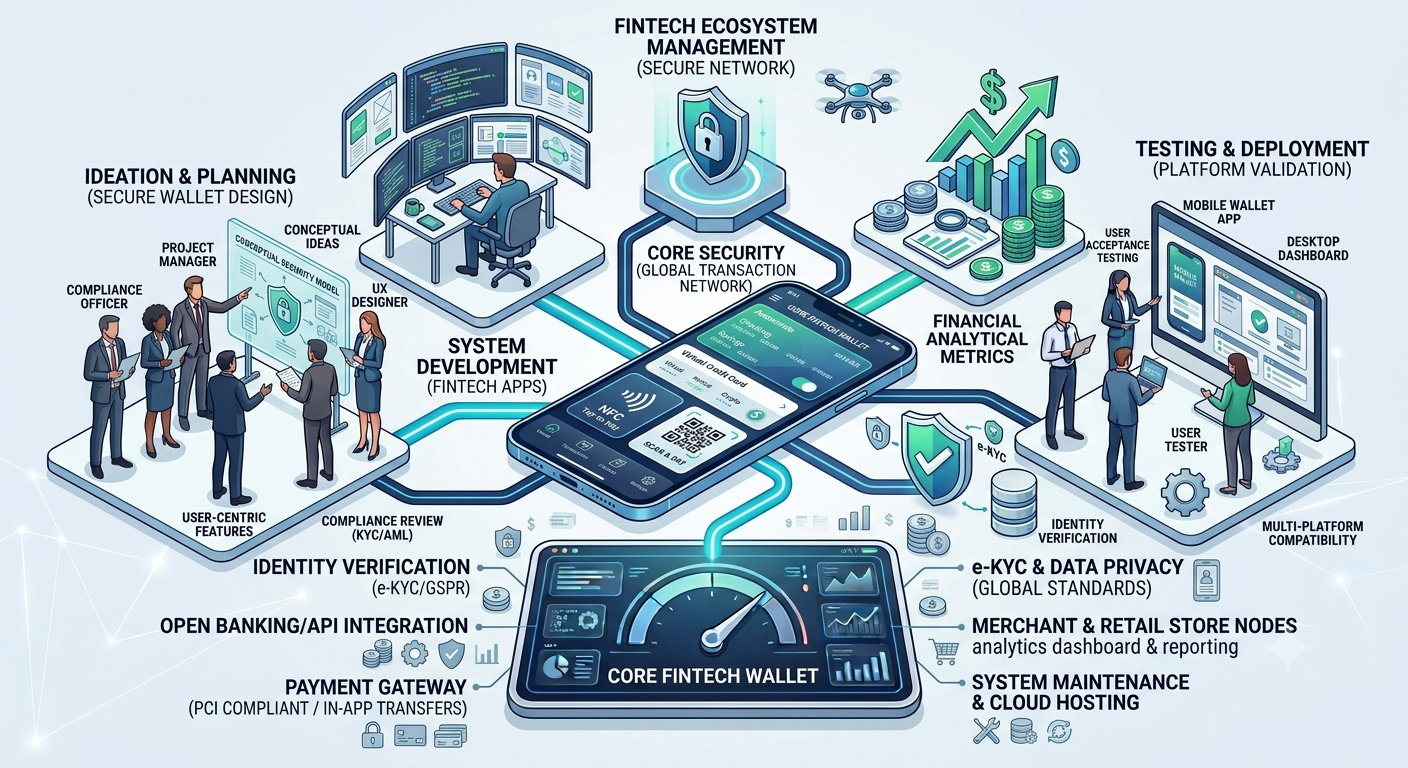
The global digital payments and financial services market continues to expand rapidly. Modern digital wallets do far more than store cash balances; they operate as complete financial ecosystems featuring real-time peer-to-peer (P2P) transfers, QR code checkouts, buy-now-pay-later (BNPL) credit, virtual card issuing, cross-border remittances, and automated micro-investments.
Understanding the total financial investment required to launch a FinTech wallet app depends on your development path: custom agency development, leveraging Banking-as-a-Service (BaaS) APIs, or deploying a ready-to-launch white-label solution with full source code access. Below is a detailed cost breakdown, regulatory compliance guide, operational expense analysis, and a step-by-step launch framework.
The cost of developing a FinTech wallet platform depends primarily on its operational model (closed-loop vs. open-loop), security auditing (VAPT, PCI-DSS), regulatory licensing compliance, and banking API integrations.
  ┌──────────────────────────────────────────────────────────┐
  │ 1. Closed-Loop / Merchant Wallet: $15,000 – $35,000      │
  │    (₹5,00,000 – ₹15,00,000 in India)                     │
  └─────────────────────────────┬────────────────────────────┘
                                │
                                ▼
  ┌──────────────────────────────────────────────────────────┐
  │ 2. Semi-Closed / P2P Payment App: $35,000 – $70,000      │
  │    (₹15,00,000 – ₹30,00,000 in India)                    │
  └─────────────────────────────┬────────────────────────────┘
                                │
                                ▼
  ┌──────────────────────────────────────────────────────────┐
  │ 3. Open-Loop Neobank Wallet: $75,000 – $200,000+         │
  │    (₹30,00,000 – ₹80,00,000+ in India)                   │
  └─────────────────────────────┴────────────────────────────┘
| Wallet Type | Scope & Capabilities Included | Global Cost (USD) | Cost in India (INR) |
| Closed-Loop / Merchant Wallet | Stored balance for a single merchant/ecosystem, QR payments, gift cards, loyalty rewards, basic admin ledger. | $15,000 – $35,000 | ₹5,00,000 – ₹15,00,000 |
| Semi-Closed / P2P Payment App | P2P transfers, electronic KYC (e-KYC), bank account linking (ACH/UPI/Open Banking), double-entry ledger, bill payments. | $35,000 – $70,000 | ₹15,00,000 – ₹30,00,000 |
| Open-Loop Neobank Wallet | Visa/Mastercard virtual card issuance, sponsor bank BaaS, multi-currency wallets, ATM withdrawals, BNPL credit line. | $75,000 – $200,000+ | ₹30,00,000 – ₹80,00,000+ |
Reconciliation & Double-Entry Ledger Engine: Money movement software requires non-negotiable data integrity. Building audit-trailed, double-entry ledger databases where account states always balance adds significant backend engineering hours.
KYC / AML & Identity Verification: Integrating automated electronic Know Your Customer (e-KYC), document OCR validation, liveness detection, and Anti-Money Laundering (AML) sanctions screening APIs.
Regulatory Audits & PCI-DSS Scope: Securing financial data requires third-party Vulnerability Assessment & Penetration Testing (VAPT) and PCI-DSS compliance certification.
BaaS & Banking Integrations: Connecting to licensed Sponsor Banks or Banking-as-a-Service (BaaS) platforms (e.g., Plaid, Stripe Treasury, Synapse, Razorpay) for payment routing and card generation.
FinTech software carries unique ongoing operating costs that must be factored into financial models:
e-KYC Verification Fees: Vendor verification charges (e.g., $0.50 to $2.00 or ₹5 to ₹50 per user verification).
Banking-as-a-Service (BaaS) & API Commitments: Monthly platform access fees and per-transaction API call fees.
Security Audits & Compliance Retainers: Annual VAPT pen-testing, security updates, and compliance filings ($10,000 to $30,000+ annually).
Payment Processing Merchant Fees: Interchange margins and transaction gateway fees (1% to 2.9%).
When launching a digital wallet, select monetization channels that match your market structure:
Transaction Interchange Fees: Earning a percentage margin on every card swipe or merchant QR payment processed through your wallet network.
Convenience & Transfer Fees: Charging flat processing fees on instant bank withdrawals, cross-currency conversions, or utility bill payments.
Merchant Payment Processing (MDR): Charging business merchants a Merchant Discount Rate (1% to 2.5%) for accepting payments via your wallet app.
Embedded Financial Products: Partnering with licensed financial institutions to offer high-yield savings accounts, personal loans, or micro-insurance products for a referral commission.
Building a custom FinTech wallet from scratch requires hiring specialized security engineers, financial architects, and legal compliance teams—taking 6 to 12 months of development time.
Utilizing a ready-to-launch white-label FinTech wallet platform provides a faster, highly cost-effective alternative:
Rapid Market Launch: Deploy a production-ready, custom-branded mobile wallet app under your own brand in weeks instead of months.
Pre-Built Compliance & Ledger Security: Built-in support for double-entry ledgers, PCI-DSS compliant tokenization, e-KYC workflows, and VAPT-audited security frameworks out of the box.
Dramatic Upfront Cost Savings: Avoid paying six-figure custom software agency fees and focus capital on user acquisition and regulatory licensing.
Full Source Code Ownership: Platform providers like Heloix offer complete white-label software packages with optional full source code ownership. This eliminates software vendor lock-in and gives you complete freedom to host, rebrand, and customize your financial tech stack.
  ┌──────────────────────────────────────────────────────────┐
  │ 1. Define Target Market & Regulatory Model               │
  └─────────────────────────────┬────────────────────────────┘
                                │
                                ▼
  ┌──────────────────────────────────────────────────────────┐
  │ 2. Deploy Turnkey White-Label Software Infrastructure    │
  └─────────────────────────────┬────────────────────────────┘
                                │
                                ▼
  ┌──────────────────────────────────────────────────────────┐
  │ 3. Connect BaaS APIs, e-KYC & Payment Gateways           │
  └─────────────────────────────┬────────────────────────────┘
                                │
                                ▼
  ┌──────────────────────────────────────────────────────────┐
  │ 4. Complete Security Audits (VAPT) & Regulatory Testing  │
  └─────────────────────────────┬────────────────────────────┘
                                │
                                ▼
  ┌──────────────────────────────────────────────────────────┐
  │ 5. Execute User Acquisition & Growth Marketing           │
  └─────────────────────────────┬────────────────────────────┘
                                │
                                ▼
  ┌──────────────────────────────────────────────────────────┐
  │ 6. Monitor Transaction Security & Scale Features         │
  └─────────────────────────────┴────────────────────────────┘
Clarify your financial operational scope:
Closed-loop merchant app vs. P2P transfer wallet vs. open-loop neobank card wallet
Identify regulatory licensing needs (e.g., PPI license in India, EMI license in Europe, MSB/Sponsor Bank partnership in the US)
Establish clear transaction limits and compliance policies
Acquire a production-ready white-label digital wallet platform framework. Apply your visual branding, setup custom web domains, configure double-entry accounting ledger structures, and prepare builds for deployment on the Apple App Store and Google Play Store.
Integrate essential core financial services:
Connect e-KYC verification APIs for instant identity validation.
Attach licensed payment gateways (Stripe, Razorpay, Cashfree) and BaaS providers for bank account linking and card issuing.
Set up automated SMS/WhatsApp notification channels for instant transaction alerts.
Ensure complete system security prior to public money movement:
Undergo third-party Vulnerability Assessment and Penetration Testing (VAPT) to identify and patch system security flaws.
Verify tokenization mechanisms to keep sensitive credit/debit card data out of raw server scope.
Attract active wallet users into your ecosystem:
Referral Cashback Campaigns: Offer "Refer a Friend, Get $5 / ₹50" peer-to-peer bonus incentives to drive organic network effects.
Merchant QR Onboarding: Onboard local retail shopkeepers and online stores with zero-fee merchant payment acceptance QR displays.
Performance Advertising: Run targeted digital ad campaigns highlighting instant transfers, cashbacks, and secure contactless payments.
Track core financial platform metrics including Gross Payment Volume (GPV), transaction failure rates, chargeback ratios, and user retention. Continually refine automated fraud detection algorithms and expand into adjacent services like savings pools, BNPL loans, and international remittances.
Please to post a comment
No comments yet
Be the first to share your thoughts.
@heloix_news
Fintech
@heloix_news
Fintech

@heloix_news
Fintech

Subscribe for the latest on technology, business growth and digital transformation.