
HN
@heloix_news
Tech
Comment
420
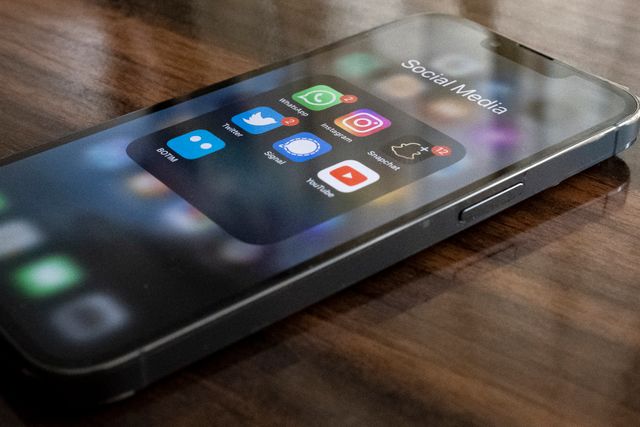
Social media apps have become a regular part of how people communicate, discover content, build communities, and promote businesses. Platforms such as Instagram, TikTok, Facebook, LinkedIn, and Reddit have shown that people are willing to spend a lot of time inside digital communities when the experience gives them a reason to return.
That does not mean you need to build the next Facebook to start a social media business.
A focused idea can work just as well. You could build an app for a particular interest, profession, location, age group, hobby, or type of content. The challenge is finding a clear reason for people to use your platform instead of the apps they already have.
This guide explains the main steps involved in starting a social media app in 2026, from choosing an idea to selecting a business model and planning the launch.
The first step is deciding what your app is actually going to do.
A general social media platform can be difficult to launch because established platforms already offer messaging, short videos, photo sharing, communities, live streaming, and other popular features.
A more focused idea gives you a clearer starting point.
For example, you could create:
A social network for local communities
A professional networking app for a specific industry
A platform for photographers and visual creators
A community app for students
A social platform for gamers
A hobby-based discussion platform
A private social network for organizations
A platform focused on short educational videos
The goal is not simply to copy an existing social media app. Think about a particular group of people and identify something they want to do better.
Ask yourself a few basic questions:
Who will use the app?
What problem or need does it address?
Why would someone download it?
Why would they return after the first visit?
The answers will help shape your product.
Before development begins, spend time understanding the people you want to attract.
You do not need an enormous research project. Start with basic research. Look at competing apps, read user reviews, study discussions in online communities, and talk to potential users.
Pay attention to complaints.
For example, users might dislike complicated interfaces, excessive advertising, poor moderation, limited privacy controls, or difficulty finding relevant communities.
Those complaints can help you identify opportunities.
You should also determine whether your audience is large enough to support a business. A highly specific audience can be useful, but you still need enough potential users to make the platform sustainable.
It is tempting to add every feature found on popular social media platforms.
That can make development expensive and slow.
Instead, identify the features required for your first version.
A basic social media app might include:
User registration and login
User profiles
Follow or friend functionality
Posts
Images or videos
Likes and comments
Notifications
Search
Direct messaging
Reporting and blocking
Content moderation
Admin management
You may not need all of these in the first release.
For example, if your app is primarily a discussion platform, text posts, comments, profiles, communities, and moderation tools may be more important than video editing.
Start with the features that support the main purpose of the app.
A social media app needs to feel simple from the first screen.
Think about the journey a new user takes.
They might download the app, create an account, choose their interests, follow a few people, see relevant content, and eventually publish their first post.
Each step should be easy to understand.
Pay particular attention to registration and onboarding. If creating an account requires too many steps, users may leave before seeing the actual product.
The home feed is another important part of the experience. Users should quickly understand why the content shown to them is relevant.
As your platform grows, recommendation systems can become more sophisticated. At launch, however, a simple feed based on follows, categories, interests, or recent posts may be enough.
There are several ways to build a social media application.
A development team can build the platform from scratch, using technologies selected according to the product's requirements. This provides considerable control but also requires more development time and technical resources.
Another approach is to use a ready-made software product and customize it for your business.
This can be useful when the underlying functionality already exists and your main goal is to customize the branding, features, design, and user experience.
Businesses exploring ready-made software products can look at platforms such as heloix.com to find products that may reduce the amount of development work required before launching.
The right choice depends on your budget, technical team, required features, customization needs, and long-term plans.
Having users is important, but a social platform also needs a way to generate revenue.
Your social media app business model could use one or several revenue streams.
Advertising is one of the most common models. Businesses pay to display their products or services to users.
However, advertising usually becomes more useful after you have a meaningful audience. A new app with very few users may not generate much advertising revenue.
You could offer a free version with basic features and a paid version with additional functionality.
Premium features might include advanced profile customization, additional storage, exclusive communities, analytics, or other tools.
In-app purchases can work when users have reasons to buy digital items or additional features.
For example, a creator-focused platform could allow users to purchase promotional tools or premium profile features.
You could also charge businesses for professional accounts that provide additional tools.
Depending on the type of platform, these might include analytics, advertising options, lead-generation features, or enhanced profiles.
Choosing a revenue model early helps you make better product decisions, although you do not necessarily need to monetize immediately.
An MVP, or minimum viable product, is the first usable version of your application.
The purpose is not to build a perfect platform.
Instead, you want to create enough of the product to test whether people actually want to use it.
For a social media app, the MVP might contain:
Account creation
Profiles
A basic feed
Posting
Likes and comments
Following
Notifications
Basic moderation
Admin controls
You can add advanced features later based on user feedback.
This approach also helps control costs. Spending heavily on features before knowing whether users want them can create unnecessary development work.
Before you officially launch social media app products to a large audience, test the application with a smaller group.
Ask testers to perform normal activities such as creating accounts, publishing posts, following users, commenting, sending messages, and reporting content.
Look for problems that may not be obvious during development.
You should also test the application on different screen sizes and devices.
Performance matters too. Social apps can involve images, videos, notifications, and frequent database activity. Slow loading can quickly affect the user experience.
Security should receive particular attention because social platforms handle user accounts and personal information.
Once the product is ready, you need users.
Simply publishing an app does not guarantee downloads.
Start building interest before launch.
You can create a landing page, social media profiles, an email list, or a community around the idea. Share information about the problem your app solves and invite early users to join.
You can also consider partnerships with creators, niche communities, businesses, or organizations that already have access to your target audience.
Your initial goal should be to create a small but active community rather than chasing a large download number with no engagement.
A social platform becomes more useful when users have people and content to interact with.
Launching the app is only the beginning.
Track how people use the platform. Look at registration numbers, active users, posts, engagement, retention, and other relevant metrics.
Pay attention to what users request repeatedly.
You may discover that a feature you considered important is rarely used while another feature becomes unexpectedly popular.
Regular updates can help you respond to those findings.
Content moderation will also become increasingly important as your user base grows. You need clear community rules and processes for handling spam, harassment, inappropriate content, fake accounts, and other problems.
There is no single price for building a social media application.
The cost depends on the number of features, platforms, design requirements, backend infrastructure, development method, integrations, security requirements, and ongoing maintenance.
A simple niche social network can require considerably less work than a large platform with video streaming, sophisticated recommendations, live features, messaging, advertising systems, and advanced moderation.
This is another reason to define an MVP before development begins.
Start with the core experience, validate it with users, and then invest in features that have a clear purpose.
If you want to launch social media app products successfully, focus on the community as much as the technology.
A technically impressive application will struggle if nobody has a reason to use it.
Before launch, make sure you know your target audience, understand the problem you are solving, have a clear feature set, and have a plan for attracting your first users.
You should also think about what happens after someone downloads the app. Give new users relevant content, make it easy to connect with others, and provide simple ways to participate.
Starting a social media app in 2026 is possible without trying to compete directly with the world's largest platforms.
The better approach is to find a specific audience and build something useful for that group.
Define the idea, research your users, select the right features, choose a development approach, create an MVP, test it, and then build your community gradually.
If you are looking for a ready to launch social media app, a ready-made product can also be an option worth considering. It may allow you to spend more time on branding, customization, marketing, and community growth instead of starting every part of the software from zero.
The technology matters, but the real foundation of a social media business is the community you build around it.
Please to post a comment
No comments yet
Be the first to share your thoughts.
@heloix_news
Tech
@heloix_news
Tech

@heloix_news
Tech
Subscribe for the latest on technology, business growth and digital transformation.