
HN
@heloix_news
Fintech

How to Launch a Crypto Exchange Platform in Just 3 Days
#CryptoExchangePlatform#CryptocurrencyExchange#CryptoTrading
कमेंट
1.1K
Mahesh P

Artificial intelligence (AI) is becoming one of the most influential technologies in the rapidly changing financial services industry. From improving access to credit to strengthening fraud detection, AI is helping financial institutions and fintech companies make faster, smarter, and more personalised decisions. At YourStory’s Tech Leaders’ Conclave, Ankur Pal, Chief Data Scientist at Aplazo, shared his perspective on how AI is transforming finance and creating new opportunities for financial inclusion.
Pal began by introducing Aplazo and its mission to expand financial access and opportunity by connecting merchants with fair and transparent financial solutions. The company focuses on addressing financial inclusion, particularly in developing markets where traditional financial products are not available to large sections of the population. One area where this challenge is especially visible is credit card penetration, which remains relatively low in several developing economies.
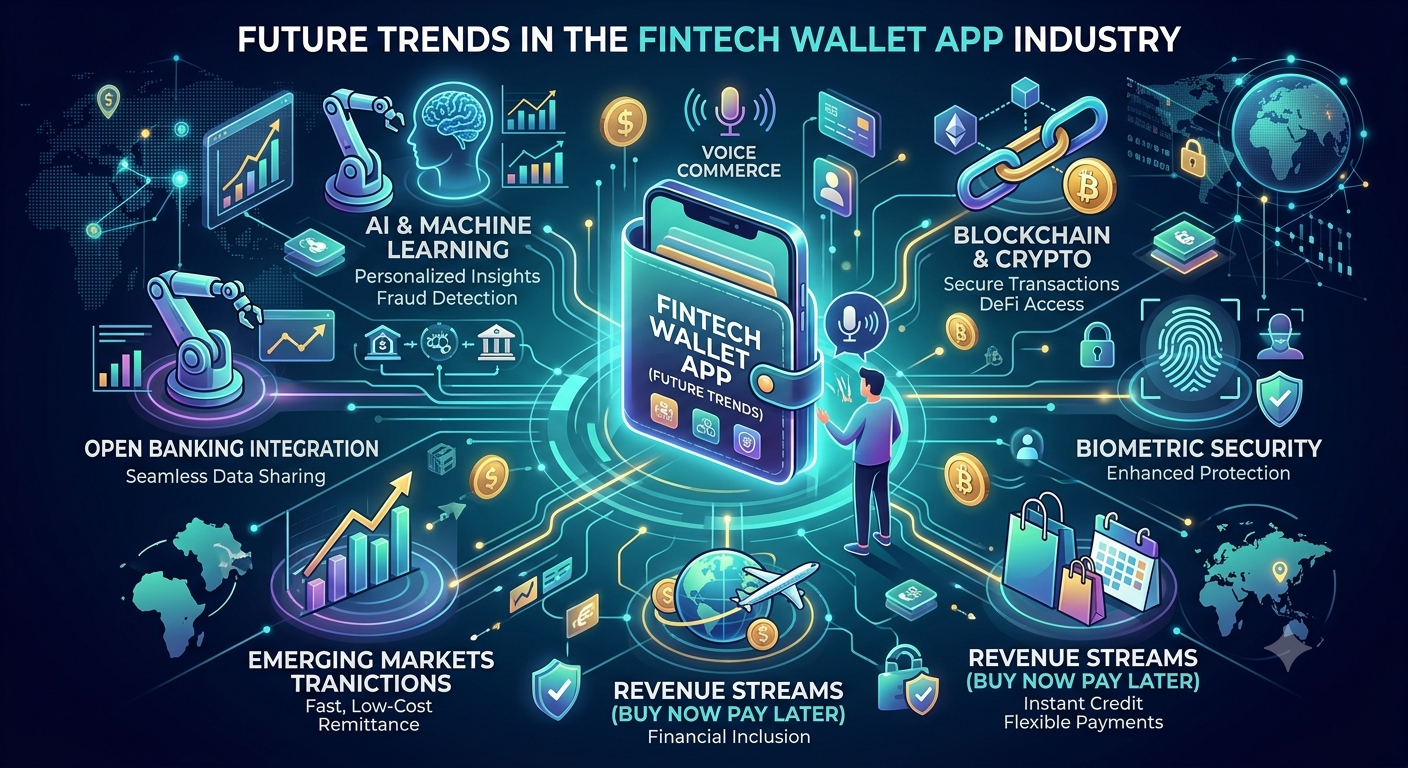
Aplazo aims to address this gap through solutions such as its Buy Now Pay Later (BNPL) platform. Such products can give consumers greater flexibility while making it easier for merchants to offer financing options. However, expanding access to financial products also requires responsible decision-making, and this is where AI can play an important role.
Pal’s association with AI began more than a decade ago, when he worked with neural networks during his engineering studies. In fintech, its potential is particularly significant because financial services generate enormous amounts of data and require decisions to be made quickly and accurately.
AI can help fintech companies understand customer behaviour, assess risks, identify patterns, and deliver more relevant financial products. Personalisation is becoming increasingly important in financial services. Customers expect simple and convenient experiences when applying for credit, making payments, or managing their finances. AI can reduce unnecessary friction by helping companies automate parts of these processes and make decisions faster.
AI can also improve operational efficiency within financial institutions. Automation can help manage routine activities while allowing employees to concentrate on more complex and strategic responsibilities.
Another important application is fraud prevention. Financial transactions happen continuously, and fraudulent activity can be difficult to identify through manual processes alone. AI systems can analyse large volumes of transactions, recognise unusual patterns, and flag potentially suspicious activity.
Financial inclusion remains one of the biggest challenges for financial services in developing economies. Having a bank account does not necessarily mean that a person has access to useful financial products. Many consumers remain underbanked because they may not have sufficient credit history, limited access to traditional lenders, or difficulty meeting conventional eligibility requirements.
Pal highlighted this gap while discussing the broader role of AI in finance. In many developing countries, account ownership has increased, but the penetration of financial products remains comparatively low.
AI can support this process by helping financial companies evaluate information more efficiently and develop products for customers who may not fit traditional models. AI-driven systems can potentially support better risk assessment while reducing some of the barriers associated with conventional financial decision-making.
At the same time, financial inclusion cannot simply mean providing more credit. Responsible lending, transparency, privacy, and appropriate risk management are equally important. AI needs to be used carefully so that the technology supports customers rather than creating new financial risks.
For fintech companies, the challenge is to balance accessibility with responsible decision-making. The right use of AI can help businesses serve a wider customer base while maintaining the safeguards required in financial services.
Another important development in fintech is the move from traditional batch processing towards near real-time decision-making. Financial companies deal with a huge number of transactions every day, and waiting for data to be processed in batches can limit how quickly businesses respond to changing situations.
Pal explained that companies are increasingly investing in event streaming infrastructure and machine learning operations, or MLOps, to support near real-time data processing. These technologies allow organisations to collect, process, and analyse information more quickly, helping them make decisions closer to the moment an event occurs.
For example, a transaction can be assessed almost immediately for potential fraud. A customer applying for a financial product can receive a decision faster, while businesses can respond more effectively to changes in customer behaviour.
Financial institutions need reliable data infrastructure, strong security, scalable technology, and well-managed machine learning systems. They also need to ensure that their platforms can handle large transaction volumes while maintaining high availability and low latency.
Instead of relying only on historical reports and periodic analysis, companies can increasingly use continuously generated data to make faster and more informed decisions.
The success of AI in financial services also depends on people. Pal shared his perspective on the skills required to build effective AI teams, emphasising adaptability and the willingness to keep learning.
AI is developing at a rapid pace, with new tools, models, and approaches emerging regularly. Professionals working in this field therefore need to be comfortable learning new technologies and adapting to changing requirements.
Pal also emphasised the importance of understanding both technology and business. An AI solution may be technically impressive, but its real value comes from solving a meaningful business or customer problem. Teams need to understand what customers need, what the organisation is trying to achieve, and how technology can connect the two. For businesses adapting to these changes, platforms such as heloix.com can also support the broader shift toward technology-driven business solutions.
AI is also expected to change job roles across the financial sector. Some repetitive responsibilities may become increasingly automated, but this does not necessarily mean fewer opportunities overall. For leaders, this means creating an environment where employees can continuously develop their skills. A culture of learning and experimentation can help organisations adapt as AI continues to evolve.
Trust will also remain essential, because customers need confidence that automated financial decisions are accurate, fair, secure, transparent, and designed with their interests in mind over time.
AI is already changing how financial companies approach customer experience, risk management, fraud prevention, operational efficiency, and financial inclusion. The next phase of this transformation is likely to involve deeper integration between AI, real-time data infrastructure, and financial products.
For fintech companies such as Aplazo, the opportunity lies in using these technologies to make financial services more accessible while maintaining fairness and transparency. The combination of responsible AI, strong infrastructure, and skilled teams can help address some of the long-standing challenges within the financial ecosystem.
The discussion at YourStory’s Tech Leaders’ Conclave highlights an important point: AI in finance is not simply about adopting new technology. It is about using technology to make better decisions, reduce friction, improve efficiency, and create meaningful opportunities for customers.
As financial services continue to evolve, companies that can combine innovation with responsible implementation will be better positioned to shape the next generation of fintech.
कृपया कमेंट पोस्ट करने के लिए
अभी तक कोई टिप्पणी नहीं
अपनी राय सबसे पहले साझा करें।
@heloix_news
Fintech
@heloix_news
Fintech

@heloix_news
Fintech
टेक्नोलॉजी, बिज़नेस ग्रोथ और डिजिटल ट्रांसफॉर्मेशन की ताज़ा जानकारियों के लिए सब्सक्राइब करें।