
HN
@heloix_news
Launch
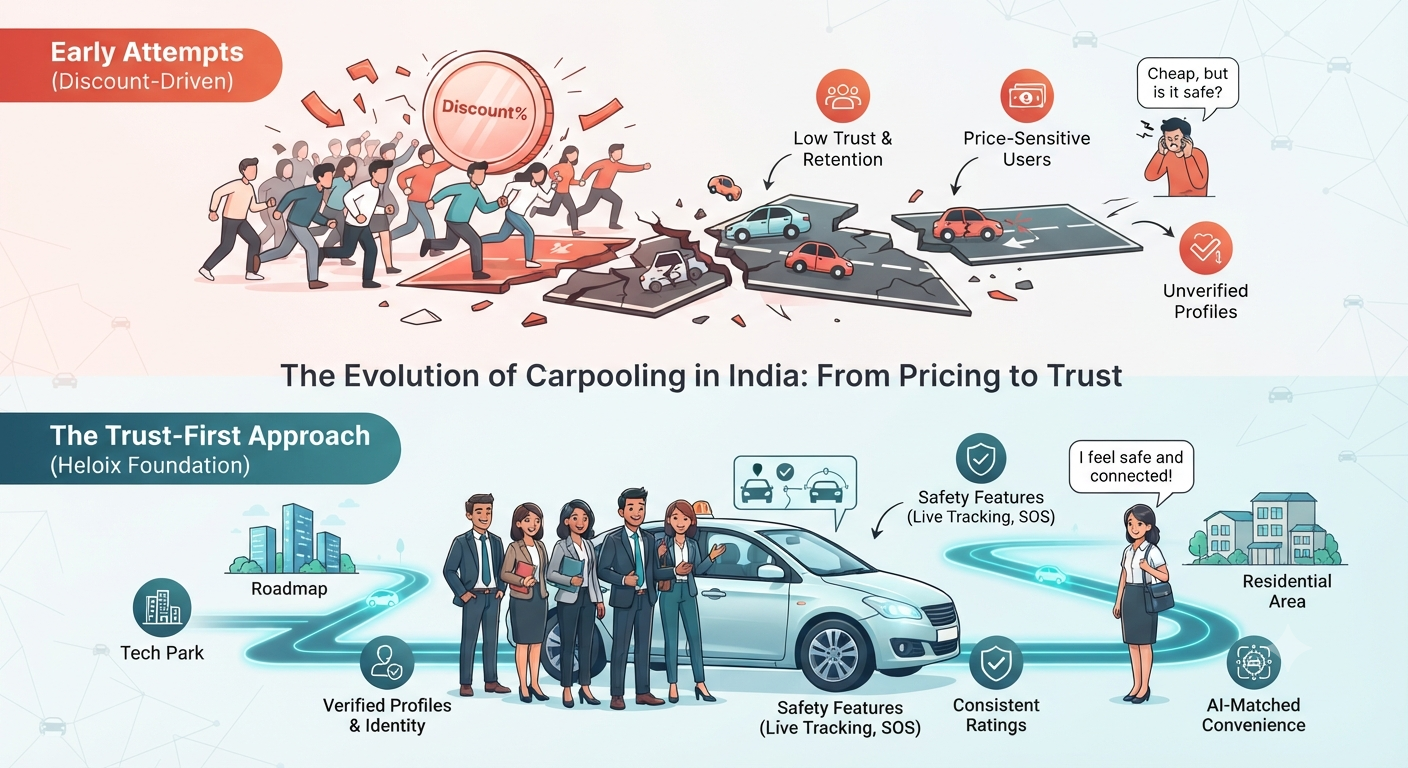
Carpooling Apps Are Making a Real Comeback in India, This Time Built Around Trust Signals, Not Just Discounts
#apps#carpooling
Comment
607
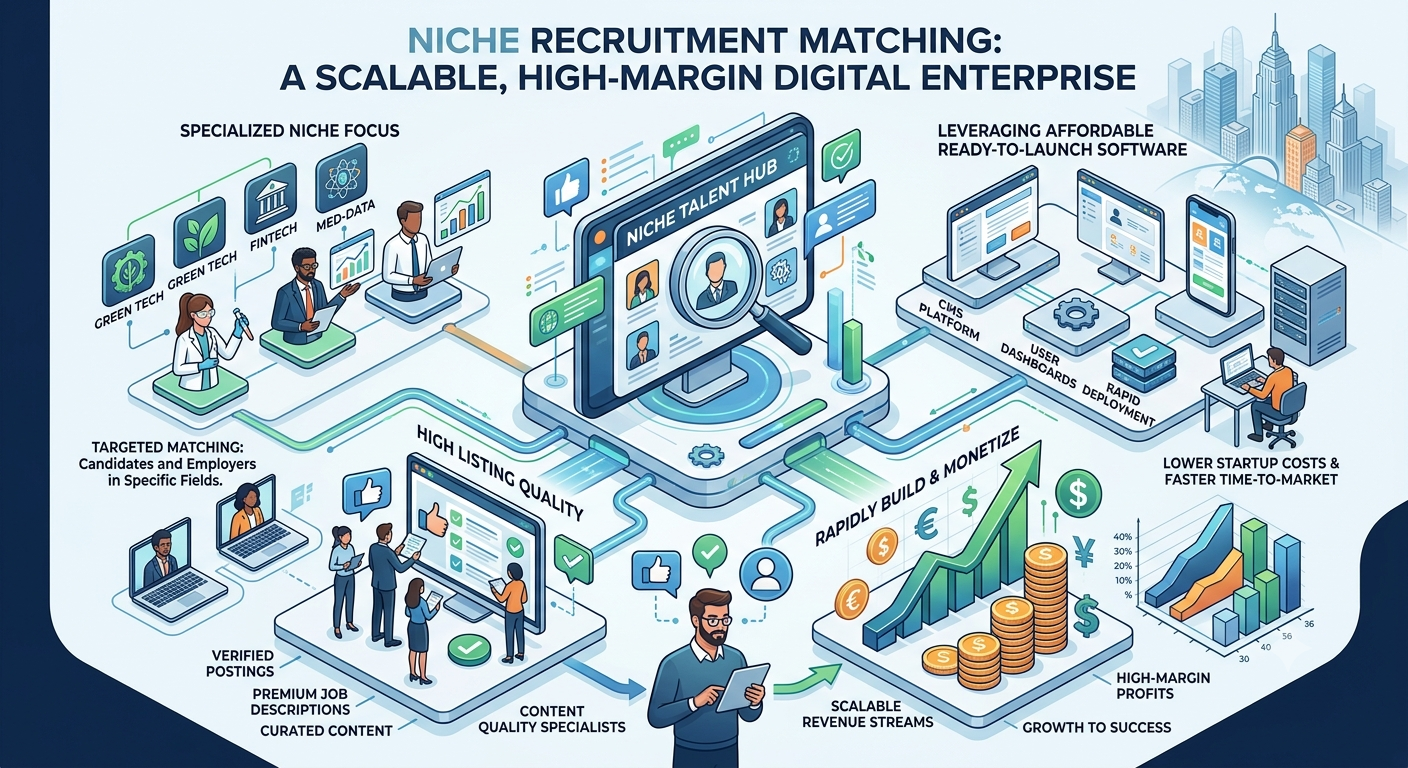
The recruitment industry has undergone a massive digital transformation. Traditional classified ads, paper resumes, and walk-in interviews have largely been replaced by online job search engines, automated resume parsers, and AI-driven candidate matching systems. At the core of this multi-billion-dollar recruitment ecosystem is the job portal website business model.
For modern tech entrepreneurs, recruitment agency owners, and HR consultants, launching a job portal platform presents a powerful avenue to generate high-margin recurring revenue. In this comprehensive guide, we will break down how the job portal business model operates, explore its core revenue channels, analyze job portal development costs in India, examine how ready-to-launch software enables instant deployment, and outline a step-by-step launch framework.
A job portal website is a multi-sided digital recruitment platform that connects two primary user groups: Employers/Recruiters searching for qualified talent, and Job Seekers looking for career opportunities.
The job portal acts as a central matching marketplace. The platform manages user profiles, aggregates job listings, facilitates resume uploads, automates candidate screening, and enables direct communication between recruiters and applicants.
┌──────────────────────────────────────────────────────────┐
│             Job Portal Platform Infrastructure           │
│   (Resume Parsing, AI Job Matching, Application Routing)  │
└───────────────┬──────────────────────────────┬───────────┘
                │                              │
                ▼                              ▼
  ┌──────────────────────────┐   ┌──────────────────────────┐
  │ Employers & Recruiters   │   │  Job Seekers & Talent    │
  │ (Posting Jobs & Sourcing)│   │ (Applying & Profile Dev) │
  └──────────────────────────┘   └──────────────────────────┘
General/Horizontal Job Boards: Covers all industries, job levels, and geographic regions (e.g., Indeed, Naukri.com, Monster/Foundit).
Niche/Vertical Job Portals: Focuses exclusively on a single industry, skill set, or work arrangement (e.g., remote tech jobs, healthcare, blue-collar workers, entry-level internships).
Gig Economy & Freelance Marketplaces: Connects businesses with short-term project contractors and freelancers (e.g., Upwork, Fiverr).
AI-Powered Headhunting Platforms: Uses machine learning algorithms to automatically score and shortlist candidates for high-level executive positions.
Job platforms benefit from diverse monetization streams across both employer and candidate sides:
| Monetization Model | Operational Mechanism |
| Paid Job Posting Packages | Charging employers a pay-per-post or multi-post bundle fee (e.g., ₹2,500 per 30-day single job listing). |
| Database Access Subscriptions | Charging recruitment agencies recurring monthly/annual fees to search, filter, and download unblinded candidate resume databases. |
| Featured / Sponsored Listings | Charging employers premium fees for top placement on job search result pages, email blasts, and homepage banners. |
| Candidate Value-Added Services | Offering paid resume writing, LinkedIn profile optimization, AI mock interview coaching, or featured candidate badges to job seekers. |
| Recruitment Process Outsourcing (RPO) | Taking a commission fee (e.g., 8% to 15% of annual CTC) when a candidate successfully hired through the portal completes a trial period. |
| Display Advertising (Google AdSense) | Generating passive revenue by running targeted banner advertisements on high-traffic job search pages. |
Understanding the financial investment required to build and launch a job portal in India depends heavily on your choice of development pathway:
  ┌──────────────────────────────────────────────────────────┐
  │   1. Turnkey White-Label Script: ₹15,000 – ₹60,000      │
  └─────────────────────────────┬────────────────────────────┘
                                │
                                ▼
  ┌──────────────────────────────────────────────────────────┐
  │   2. Agency CMS / WordPress Build: ₹50,000 – ₹2,00,000   │
  └─────────────────────────────┬────────────────────────────┘
                                │
                                ▼
  ┌──────────────────────────────────────────────────────────┐
  │   3. Custom Stack (React/Node/Laravel): ₹3L – ₹12L+       │
  └──────────────────────────────────────────────────────────┘
Turnkey White-Label Script (Fastest & Cheaper): ₹15,000 to ₹60,000. Pre-built PHP/Node scripts that include employer portals, job seeker dashboards, and admin panels out of the box.
CMS/WordPress Customized Build: ₹50,000 to ₹2,00,000. Utilizes custom job board plugins, theme customizations, and payment gateway setups for small-to-mid-range regional job boards.
Custom Stack Development (React, Node.js, Laravel): ₹3,00,000 to ₹12,00,000+. Tailored custom web applications built for high traffic, custom resume parsing, advanced security, and enterprise ATS (Applicant Tracking System) integrations.
Domain Name (.com / .in / .co.in): ₹600 to ₹1,500/year.
Cloud Hosting (AWS, DigitalOcean, Hostinger): ₹1,500 to ₹10,00,000/month (scales with traffic volume and database size).
Indian Payment Gateway (Razorpay, Cashfree, PhonePe): 0% setup fee, ~2% transaction fee per employer checkout.
Transactional SMS & WhatsApp API (MSG91, Twilio): ₹0.20 to ₹0.80 per verification OTP/job alert message.
Building a complex job portal platform from scratch requires developing separate modules for job seekers, recruiters, and platform administrators, along with resume indexing engines and search algorithm filters. This process can take 4 to 8 months of custom software development.
Utilizing a ready-to-launch white-label job portal software provides a faster, cost-effective alternative:
Instant Deployment: Launch a fully functional, custom-branded job board platform in days or weeks instead of waiting months for custom coding.
Pre-Built Enterprise Functionality: Out-of-the-box support for resume uploads, PDF generators, applicant filtering, candidate bookmarking, social media logins, and automated payment gateway checkouts.
Complete Source Code Ownership: Turnkey solution providers like Heloix offer white-label business frameworks with full source code access. This eliminates long-term vendor licensing lock-in and gives you total freedom to customize, rebrand, and scale your technology stack.
  ┌──────────────────────────────────────────────────────────┐
  │ 1. Choose a Specialized Industry Niche                   │
  └─────────────────────────────┬────────────────────────────┘
                                │
                                ▼
  ┌──────────────────────────────────────────────────────────┐
  │ 2. Deploy Turnkey Job Portal Software                    │
  └─────────────────────────────┬────────────────────────────┘
                                │
                                ▼
  ┌──────────────────────────────────────────────────────────┐
  │ 3. Integrate Local Payment Gateways & SMS Services      │
  └─────────────────────────────┬────────────────────────────┘
                                │
                                ▼
  ┌──────────────────────────────────────────────────────────┐
  │ 4. Seed Initial Job Listings & Onboard Employers         │
  └─────────────────────────────┬────────────────────────────┘
                                │
                                ▼
  ┌──────────────────────────────────────────────────────────┐
  │ 5. Execute Job Seeker Marketing & SEO Campaigns          │
  └─────────────────────────────┬────────────────────────────┘
                                │
                                ▼
  ┌──────────────────────────────────────────────────────────┐
  │ 6. Monetize Employer Database Access & Upsell Services   │
  └─────────────────────────────┴────────────────────────────┘
Attempting to compete with horizontal giants like Naukri or Indeed right away can be challenging. Higher success rates lie in specialized niches, such as:
Remote-first tech and software engineering roles
Blue-collar and entry-level hospitality/retail staffing
Medical, nursing, and healthcare specialist placements
Regional or tier-2/tier-3 city job markets
Acquire a production-ready white-label job portal system. Set up your custom domain, apply your brand logos and visual design palette, structure job categories, and verify SSL encryption security certificates.
Connect local payment gateways (such as Razorpay or PhonePe) to process employer job-posting purchases via UPI, credit cards, and net banking. Integrate transactional SMS/WhatsApp gateways for instant OTP verification and candidate application alerts.
Solve the "chicken-and-egg" marketplace challenge by focusing on acquiring jobs first:
Job Scraping / Aggregation: Partner with employers or use API feeds to aggregate initial verified job openings so job seekers have opportunities to explore on day one.
Free Employer Access: Offer local recruiters 3 to 5 free job postings or 30 days of complimentary database access to encourage early platform adoption.
Attract candidate traffic into your job application funnel:
Programmatic SEO: Create dynamic, optimized landing pages for specific high-search queries (e.g., "React developer jobs in Bangalore" or "accountant jobs in Pune").
Social Media Job Broadcasts: Share daily job openings automatically to targeted Telegram channels, LinkedIn groups, WhatsApp communities, and Instagram stories.
Campus & Placement Drive Partnerships: Collaborate with colleges and training institutes to register graduating cohorts directly onto your platform.
Once you achieve steady candidate traffic and job application volume, activate paid monetization plans:
Transition free employer accounts into paid recurring monthly database subscriptions.
Introduce candidate-facing resume writing or premium application highlight services.
Scale server bandwidth, refine recommendation algorithms, and expand into adjacent geographical regions or job categories.
Please to post a comment
No comments yet
Be the first to share your thoughts.
@heloix_news
Launch
@heloix_news
Launch
@heloix_news
Launch

Subscribe for the latest on technology, business growth and digital transformation.