
HN
@heloix_news
Tech

How to Launch a NFT Marketplace in Just 3 Days
#NFTMarketplace#NFTs#DigitalAssets
Comment
683
Shamita
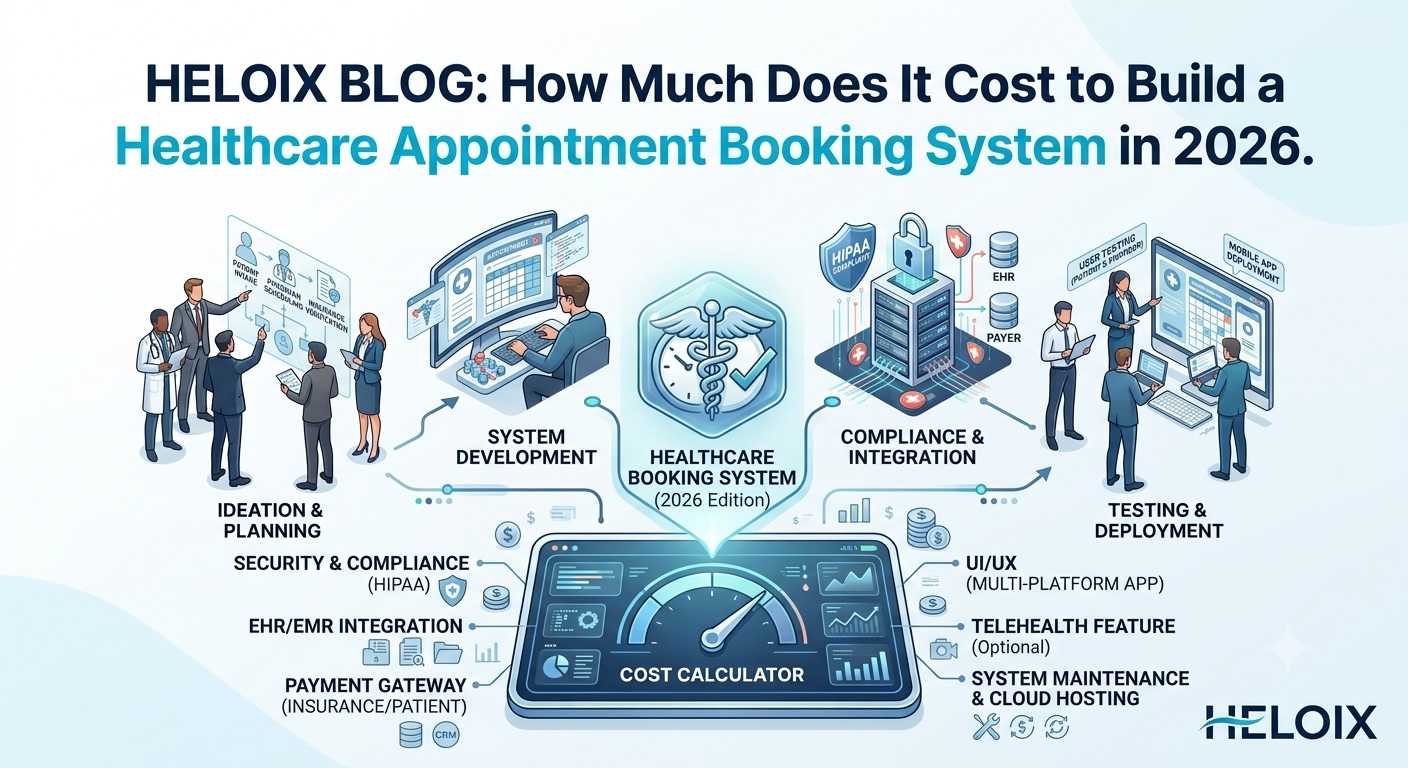
The healthcare landscape relies heavily on digital-first patient access. Modern healthcare appointment booking systems do far more than manage calendar slots; they integrate with Electronic Health Records (EHR) / Electronic Medical Records (EMR), handle automated SMS/WhatsApp reminders, verify insurance eligibility in real time, enable HIPAA/GDPR-compliant telehealth video visits, and process digital co-pays.
Understanding the cost to build a healthcare booking platform depends on whether you opt for a SaaS subscription model, a ground-up custom software build, or a ready-to-launch white-label solution. In this guide, we break down development costs, regulatory compliance considerations, key operational cost drivers, and a step-by-step launch framework.
The primary cost factor in healthcare software engineering is compliance (such as HIPAA in the US, GDPR in Europe, or ABDM/NDHM compliance in India) combined with the depth of EHR integration.
  ┌──────────────────────────────────────────────────────────┐
  │ 1. Basic Single-Clinic Portal: $3,000 – $8,000           │
  │    (₹2,00,000 – ₹6,00,000 in India)                      │
  └─────────────────────────────┬────────────────────────────┘
                                │
                                ▼
  ┌──────────────────────────────────────────────────────────┐
  │ 2. Multi-Doctor / Telehealth App: $10,000 – $25,000      │
  │    (₹8,00,000 – ₹20,00,000 in India)                     │
  └─────────────────────────────┬────────────────────────────┘
                                │
                                ▼
  ┌──────────────────────────────────────────────────────────┐
  │ 3. Hospital Network / Aggregator Hub: $30,000 – $90,000+ │
  │    (₹25,00,000 – ₹70,00,000+ in India)                   │
  └──────────────────────────────────────────────────────────┘
| System Type | Core Features & Capabilities | Global Cost (USD) | Cost in India (INR) |
| Basic Single-Clinic Portal | Doctor schedule management, patient self-booking, basic SMS/Email notifications, simple admin dashboard. | $3,000 – $8,000 | ₹2,00,000 – ₹6,00,000 |
| Multi-Doctor / Telehealth System | Multi-specialty calendars, integrated video consultations (WebRTC), digital prescription generation, online payment gateway, basic EHR sync. | $10,000 – $25,000 | ₹8,00,000 – ₹20,00,000 |
| Multi-Hospital & Aggregator Platform | Multi-tenant hospital networks (Practo/Zocdoc clone), insurance claim verification, AI-based queue management, full HL7/FHIR EHR interoperability. | $30,000 – $90,000+ | ₹25,00,000 – ₹70,00,000+ |
Healthcare Data Compliance & Security: Healthcare systems store Protected Health Information (PHI). Establishing HIPAA compliance, end-to-end data encryption (AES-256), secure AWS/GCP cloud hosting, and Business Associate Agreements (BAAs) adds baseline security engineering costs.
EHR / EMR Interoperability: Integrating with enterprise medical records systems (Epic, Cerner, AthenaHealth, or regional health networks) via HL7 or FHIR APIs requires specialized health-tech integration pipelines.
Multi-Channel Patient Reminders: Setting up automated WhatsApp Business API, transactional SMS (Twilio/MSG91), and automated IVR confirmation calls reduces no-show rates but incurs ongoing per-message costs.
Telemedicine & Video Infrastructure: Implementing HD WebRTC video consultation links with screen sharing and digital prescription signing requires real-time streaming bandwidth.
Building the platform is only the initial phase. Long-term budget planning must include ongoing operational costs:
HIPAA-Compliant Cloud Hosting: Dedicated server instances on AWS HealthLake or Azure Healthcare APIs cost $150 to $800+/month.
Communication APIs (SMS/WhatsApp/Video): Video calling bandwidth ($0.0015 to $0.004 per minute per user) and WhatsApp notification templates ($0.005 to $0.02 per message).
Payment Processing Merchant Fees: Payment gateways (Stripe, Razorpay, PayPal) charge 1.5% to 3% per patient transaction.
Maintenance & Security Audits: Annual third-party penetration testing, vulnerability assessments, and regulatory compliance reviews typically require 15% to 20% of the initial development cost annually.
Building a healthcare scheduling framework from scratch involves dedicated security architects, full-stack developers, and healthcare compliance legal reviews, taking 6 to 12 months of development time.
Utilizing a ready-to-launch healthcare appointment booking system source code or white-label platform offers a faster, cost-effective alternative:
Accelerated Time-to-Market: Deploy a fully branded healthcare web and mobile app suite in days or weeks instead of waiting months for custom coding.
Built-In Compliance Standards: Pre-configured with encrypted database layers, secure user access permissions, and HIPAA/GDPR data handling protocols.
Massive Cost Savings: Bypass high upfront engineering fees and allocate your budget toward doctor onboarding and patient acquisition.
Full Source Code Ownership: Turnkey business framework providers like Heloix offer ready-to-launch software business packages with full source code ownership included. This eliminates ongoing software licensing lock-in and gives you complete freedom to host, rebrand, and customize your healthcare tech stack.
  ┌──────────────────────────────────────────────────────────┐
  │ 1. Define Healthcare Scope & Compliance Standards        │
  └─────────────────────────────┬────────────────────────────┘
                                │
                                ▼
  ┌──────────────────────────────────────────────────────────┐
  │ 2. Deploy Turnkey System Architecture & Source Code     │
  └─────────────────────────────┬────────────────────────────┘
                                │
                                ▼
  ┌──────────────────────────────────────────────────────────┐
  │ 3. Onboard Clinics, Doctors & Specialty Calendars       │
  └─────────────────────────────┬────────────────────────────┘
                                │
                                ▼
  ┌──────────────────────────────────────────────────────────┐
  │ 4. Integrate Payment Gateways & SMS/WhatsApp APIs        │
  └─────────────────────────────┬────────────────────────────┘
                                │
                                ▼
  ┌──────────────────────────────────────────────────────────┐
  │ 5. Execute Patient Marketing & Clinic Outreach           │
  └─────────────────────────────┬────────────────────────────┘
                                │
                                ▼
  ┌──────────────────────────────────────────────────────────┐
  │ 6. Scale Network Capacity & Expand Telehealth Services   │
  └─────────────────────────────┴────────────────────────────┘
Clarify your target market and required healthcare approvals:
Single clinic vs. multi-clinic aggregator marketplace (e.g., Practo/Zocdoc model)
Identify regulatory requirements (HIPAA in the US, GDPR in Europe, ABDM compliance in India)
Set clear data privacy protocols for patient record access
Acquire a pre-built healthcare software package. Apply custom visual branding, connect custom SSL web domains, configure security keys, and prepare mobile application packages for deployment on the Apple App Store and Google Play Store.
Set up the medical provider supply side:
Onboard doctors and medical specialists, setting up their consultation availability slots, specialty fees, and physical room schedules.
Upload clinic locations, high-resolution facility photos, and doctor credential certificates to build patient trust.
Configure financial and communication workflows:
Connect automated payment processing gateways (Stripe, Razorpay, PhonePe) to collect advance consultation fees or co-pays.
Enable automated SMS, WhatsApp, and email confirmation alerts with direct calendar invite links (.ics).
Attract patients to your new booking platform:
Local SEO & Google Business Profile Integration: Optimize clinic pages for high-intent search queries like "dermatologist appointment near me."
Direct Clinic Partner Distribution: Provide onboarded doctors with QR code desk displays and custom booking links to share with existing patients.
Social Media & Community Ads: Run targeted campaigns highlighting short wait times, verified doctor reviews, and easy virtual visit access.
Monitor platform analytics such as average appointment wait time, no-show rate reductions, patient satisfaction ratings, and doctor retention rates. Scale the platform by adding adjacent health features, such as digital lab test bookings, e-pharmacy prescription fulfillment, and AI-assisted symptom checkers.
Please to post a comment
No comments yet
Be the first to share your thoughts.
@heloix_news
Tech
@heloix_news
Tech

@heloix_news
Tech

Subscribe for the latest on technology, business growth and digital transformation.