
HN
@heloix_news
Growth

How to Launch a Hotel Booking System in Just 3 Days
#HotelBookingSystem#HotelBookingPlatform#OnlineHotelBooking
Comment
644
Mahesh P
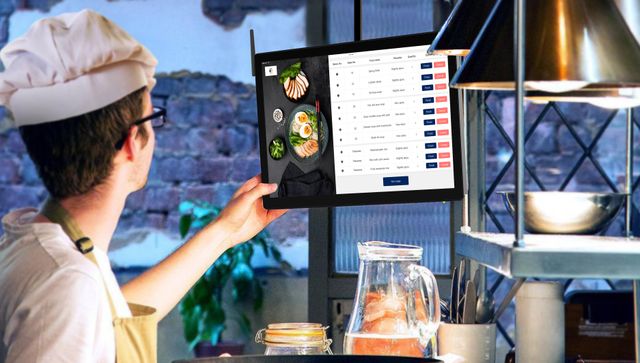
Running a restaurant is about much more than preparing good food. Restaurant owners must manage orders, keep customers happy, coordinate kitchen operations, and make sure every meal reaches the right person at the right time. When orders start coming from multiple channels, even a small restaurant can struggle to keep everything organized.
This is where technology can make a real difference.
A restaurant ordering system allows customers to browse menus, select their favorite dishes, place orders, and make payments online. For restaurant owners, it creates a more organized way to handle incoming orders without depending entirely on phone calls or manual entry.
But does investing in an ordering system actually help a restaurant grow? Looking at how restaurant businesses use digital ordering offers some useful lessons for entrepreneurs who want to build or expand their own food businesses.
Imagine a restaurant during the dinner rush. The phone keeps ringing, customers are waiting at the counter, and kitchen staff are trying to prepare several orders at once. One missed call or incorrectly entered item can lead to a frustrated customer.
Digital ordering helps reduce these problems by bringing orders into a more structured process.
Depending on the features available, a restaurant ordering platform can help businesses:
Accept orders through a website or mobile application.
Display menus, prices, add-ons, and available dishes.
Process online payments and track order status.
Send order details directly to the kitchen.
Manage pickup and delivery requests.
Review sales information to understand customer preferences.
For a small restaurant, these features can save time and make daily operations easier to manage. For a growing food business, they can also provide a foundation for serving more customers without making every process more complicated.
However, software alone does not guarantee success. The real value comes from choosing the right system and using it to solve problems customers and staff experience every day.
Domino's is a useful example of how digital ordering can become an important part of a restaurant's business strategy.
The company has invested heavily in digital ordering experiences, allowing customers to order through its website, mobile app, and other digital channels in supported markets. These options give customers more flexibility in how they place orders and interact with the brand.
Think about the typical customer ordering pizza after a long day. They want to see the menu, customize their pizza, choose delivery or pickup, and complete the order without unnecessary steps. A convenient digital experience makes that process easier.
For restaurant entrepreneurs, the lesson is not that every business needs a sophisticated application like Domino's. It is that ordering convenience should be treated as part of the customer experience.
A local pizza shop can apply the same principle with a simpler website-based ordering system. Customers should be able to find the menu quickly, understand the prices, select their items, and receive clear confirmation.
What entrepreneurs can learn: Make ordering simple before adding advanced features. A straightforward system that customers enjoy using is more valuable than an impressive application that creates confusion.
Chipotle Mexican Grill offers another useful example of digital ordering built around customer choice.
Its digital channels allow customers to customize many of their meals, selecting ingredients and adjusting their orders according to their preferences. This is particularly relevant for restaurants where customers want control over portions, toppings, ingredients, or special requests.
Customization creates a challenge for restaurant staff. If a customer orders a meal with several modifications, those details must reach the kitchen accurately.
A well-designed ordering system can display each selection clearly, helping employees prepare the correct meal. It can also give customers more confidence because they can review their choices before submitting an order.
Smaller restaurants can use this approach for sandwiches, burgers, rice bowls, pizzas, and other customizable dishes.
For example, a burger restaurant could allow customers to choose their patty, add cheese, remove onions, select sauces, and add a side dish. The final order would contain the selected options instead of relying on staff to interpret a handwritten note.
What entrepreneurs can learn: Build your ordering experience around the food you sell. If customization is central to your menu, your system should handle it without making the process difficult for customers or kitchen staff.
Sweetgreen, known for its salads and customizable meals, has developed digital ordering channels that support customers who value convenience and quick service.
Its approach illustrates how digital ordering can fit naturally into a business serving customers with busy schedules. Someone heading back to work may prefer placing an order in advance instead of waiting in a queue.
For restaurants near offices, colleges, gyms, or commercial areas, this behavior presents an opportunity.
A digital ordering system can help customers place orders before arriving, while restaurant staff can prepare meals according to the requested pickup time. When managed properly, this can make the pickup process more predictable.
Of course, the results depend on practical details. The restaurant needs realistic preparation times, accurate menu availability, and a clear method of notifying customers when their food is ready.
A poorly managed pickup system can create the same frustration as a long queue. Technology works best when the restaurant's operational processes support it.
What entrepreneurs can learn: Consider how customers fit your restaurant into their daily routines. Advance ordering and convenient pickup may be more valuable to your audience than offering every possible digital feature.
Note: These examples illustrate publicly visible digital ordering strategies. They are not claims that a particular software product caused a specific increase in revenue or profit.
Domino's, Chipotle, and Sweetgreen operate at a scale that many independent restaurant owners may not reach immediately. Their ordering experiences can still provide practical ideas for smaller businesses.
The goal is not to copy their entire technology infrastructure. It is to identify the parts that solve real customer problems.
Here are three areas worth prioritizing.
Customers appreciate being able to explore a menu, compare prices, customize dishes, and review their orders before paying.
Your ordering platform should make these actions easy. Avoid unnecessary registration requirements or complicated checkout steps that may cause customers to abandon their orders.
An online order is only useful if the kitchen receives the correct information.
Make sure the system clearly communicates selected items, special instructions, quantities, payment status, and pickup or delivery details. Staff should not need to switch between several disconnected tools just to understand an order.
Ordering records can reveal which dishes sell well, when demand is highest, and which menu items customers frequently purchase together.
Restaurant owners can use these insights to improve menu planning, prepare for busy periods, and test promotions.
Customer information should also be handled responsibly, with appropriate privacy protections and secure payment processing.
For entrepreneurs planning to introduce online ordering, the first decision is how to build the technology.
Developing software from scratch offers greater control over features and design, but it can require significant investment in development, testing, maintenance, and future updates.
A ready-made solution may be more practical for businesses that want to begin with essential features and customize the platform as their needs evolve.
Before making a decision, consider the following steps.
Step 1: Define your business model.
Decide whether you need delivery ordering, pickup, dine-in ordering through QR codes, or a combination of these options. Your business model will determine which features are essential.
Step 2: Identify your must-have features.
Start with menu management, order placement, payment integration, order notifications, and an administrative dashboard. Add delivery tracking, loyalty programs, or advanced analytics when they make sense for your business.
Step 3: Explore existing software options.
Entrepreneurs evaluating a restaurant ordering system source code solution should check its customization options, documentation, security, payment integrations, and ongoing maintenance requirements. Having access to source code can offer flexibility, but it does not automatically mean the product is ready for production.
Ready-made customizable software products from heloix.com can be helpful for entrepreneurs who want to explore existing software foundations and adapt a solution to their business requirements rather than begin every part of development from scratch.
Step 4: Test before going live.
Place sample orders, test payments, check notifications, and confirm that customized items appear correctly. Ask a few real customers or employees to try the system and report any confusing steps.
Step 5: Promote your ordering channel.
Add the ordering link to your website, social media profiles, business listings, and restaurant signage. If customers do not know that online ordering is available, even a well-built platform may receive little attention.
When time and budget are limited, entrepreneurs often look for a ready to launch restaurant ordering system that can be configured for their business without requiring a lengthy development process.
Before selecting one, check whether it supports your menu structure, preferred payment methods, order notifications, and delivery or pickup requirements.
You should also clarify whether the software includes hosting, installation assistance, technical support, updates, and any recurring licensing costs. These expenses can affect the total cost of ownership.
Customization deserves particular attention. A restaurant with several branches may need centralized menu management, while a neighborhood cafe may only need a simple ordering website and pickup functionality.
Once you choose a platform, establish a realistic timeline to launch restaurant ordering system functionality, train staff, and test the complete customer journey before accepting live orders.
Do not rush this stage. A few extra days of testing can help prevent payment issues, incorrect orders, and unnecessary frustration during your first week.
Restaurant ordering technology is not successful simply because it looks modern. It becomes valuable when it helps customers order with less effort and allows restaurant staff to work more efficiently.
Domino's demonstrates the importance of convenient digital ordering. Chipotle highlights the role of customization, while Sweetgreen illustrates how digital channels can support customers who value advance ordering and quick pickup.
For independent restaurant owners, the takeaway is straightforward: start with the problems your customers experience most often.
You do not need to build a platform with dozens of advanced features on day one. Choose a solution that fits your business, test it carefully, and improve it as you learn more about customer behavior.
A good restaurant ordering system should make the experience easier on both sides of the counter. When the technology supports the food, service, and people behind the business, it can become a useful foundation for sustainable growth.
Please to post a comment
No comments yet
Be the first to share your thoughts.
@heloix_news
Growth
@heloix_news
Growth

@heloix_news
Growth

Subscribe for the latest on technology, business growth and digital transformation.