
HN
@heloix_news
Growth

How to Launch a Hotel Booking System in Just 3 Days
#HotelBookingSystem#HotelBookingPlatform#OnlineHotelBooking
Comment
629
Mahesh P
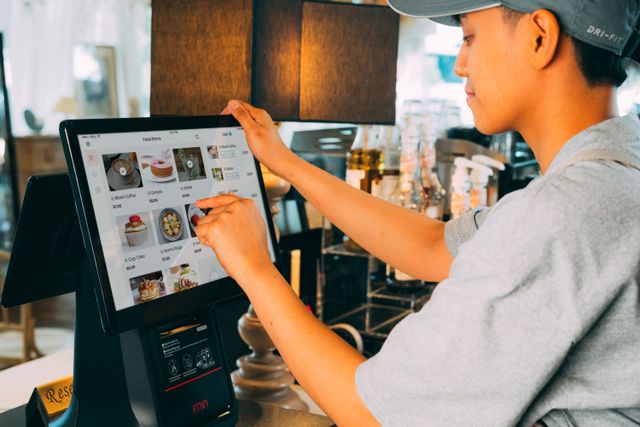
Running a retail business is not just about selling good products. Business owners also need to manage inventory, process payments, understand customer behavior, and keep their stores running smoothly. As a business grows, handling these responsibilities becomes more complicated.
For many retailers, a point-of-sale (POS) system has become an important part of solving these challenges. Modern POS software can connect in-store sales with online orders, track inventory, and give business owners a clearer picture of their performance.
But does this technology make a real difference?
Several businesses have shared their experiences of using POS systems to improve their operations and support growth. From an independent clothing store in Colorado to an Italian streetwear retailer, these stories show how the right technology can help businesses work more efficiently.
Let's look at four real-world examples and the lessons aspiring entrepreneurs can learn from them.
Due South is a clothing and home decor store founded by Brett Hill in Lafayette, Colorado, in 2016. The business grew to support a team of approximately 15 to 20 employees.
As the store developed, Hill wanted a technology solution that could support more than traditional in-store sales. He needed a system that could help the business expand online, manage a wider range of products, and coordinate orders across different channels.
Initially, Due South used Square's basic point-of-sale application on an iPad. As its needs changed, the business moved to Square for Retail, which offered more specialized inventory management features.
The system helped connect sales reporting, inventory, staff management, customer information, and online selling.
According to Square's published case study, Due South reported a 71% increase in sales since adopting Square for Retail. The business also used Square's additional tools for customer loyalty, marketing, and payroll.
The technology supported the retailer's broader growth plans by making it easier to manage daily operations while developing its online presence.
What entrepreneurs can learn: A business does not necessarily need an expensive, complicated system from day one. Starting with a suitable solution and upgrading as operational needs change can be a practical approach.
Read the full Due South success story.
Slam Jam is an Italian street culture company founded in 1989 in Ferrara, Italy. Over the years, it developed a strong presence in streetwear and fashion, serving customers through e-commerce and physical retail stores.
As the business expanded, managing its online and offline operations became increasingly important. Its previous technology setup created difficulties with multi-warehouse inventory management, integrations, and the cost of building additional functionality.
These limitations made it harder to use physical stores as fulfillment locations or offer customers products that were not available at a particular store.
Slam Jam eventually adopted Shopify Plus and later introduced Shopify POS as part of its omnichannel strategy.
The new setup allowed the company to connect its retail stores with its online operations. Customers could access options such as in-store pickup and shipping products directly from a store. Employees could also help shoppers purchase items that were unavailable at their current location.
According to Shopify's published case study, Slam Jam recorded a 15% increase in average daily orders following the activation of its in-store omnichannel strategy. The company also reported a 50% reduction in setup and running costs compared with its previous platform.
The case demonstrates that POS software can do more than process transactions. When integrated with e-commerce, it can help retailers offer customers more flexible ways to shop.
What entrepreneurs can learn: If you plan to sell through both a physical store and a website, choose software that connects inventory and orders across channels. Separate systems can create unnecessary work and missed sales opportunities.
Read the full Slam Jam case study.
WOW Concept is a Madrid-based retailer known for curating products from hundreds of brands, many of which began as digital-first businesses.
The company operates large retail spaces and extends its product selection online. Its business model requires flexibility because the brands it features and the products it sells can change frequently.
Its earlier technology setup made introducing new capabilities a slow process. Store traffic data was also separated from sales information, making it harder for managers to understand what was happening in their stores in real time.
WOW Concept moved to Shopify POS to create a more flexible retail technology setup.
One of the most notable improvements was the speed of setting up new locations. According to Shopify's case study, installing the POS system at a new location could take approximately one minute, with little staff training required.
The retailer also gained access to an ecosystem of applications and integrations. Its employees could use more connected information to compare store traffic with sales, plan staffing, and identify potential gaps in performance.
Shopify reported that WOW Concept's online sales grew by 75% to 80% in the first half of 2026 compared with the same period in 2025. Physical sales increased by 35% year over year during the reported period.
These figures reflect the company's wider technology and retail strategy, rather than proving that POS software alone caused the growth.
What entrepreneurs can learn: Businesses that expect to open multiple locations should consider how easily their systems can be deployed, maintained, and adapted. A scalable POS solution can help reduce the operational burden of expansion.
Read the full WOW Concept success story.
Get The Goods is a multichannel retail brand that operates both online and through physical retail locations.
The business experienced challenges with its previous technology setup, which relied on Lightspeed for e-commerce and POS. Managing inventory between online and offline operations created friction, while the website experience limited opportunities to improve conversions.
The company worked with Square Digital to rebuild its e-commerce infrastructure and migrate its retail operations from Lightspeed to Shopify POS.
The project involved transferring more than 5,000 stock-keeping units (SKUs), connecting retail and e-commerce inventory, and improving the shopping experience.
The business also restructured its paid advertising campaigns and worked on its website design. This meant the POS migration was part of a broader effort to improve how the company attracted customers and processed sales.
Square Digital's published case study reports that Get The Goods achieved 171% year-over-year revenue growth during the 12-month project period. It also reported a 40% increase in conversion rate and a rise in Google advertising return on ad spend from 1.25x to 6.5x.
These outcomes were associated with the combined changes to its website, advertising, and retail technology, so they should not be attributed to the POS migration alone.
What entrepreneurs can learn: Retail technology works best when it supports the entire customer journey. Connecting inventory, online shopping, and in-store operations can help eliminate friction, but businesses also need an effective marketing and sales strategy.
Read the full Get The Goods case study.
Although these businesses operate in different retail categories, their experiences reveal several useful lessons.
Knowing what is available, where it is stored, and how quickly it sells helps retailers make more informed decisions. Connected inventory systems can reduce confusion between online and physical stores.
Customers increasingly expect convenient shopping options. They may want to order online, collect an item in-store, or have a product shipped to their home if it is unavailable at their local branch.
A well-integrated POS system can help retailers offer these options.
A solution suitable for a single store may not be enough for a retailer operating several locations. Businesses should consider future needs when choosing software, including additional users, inventory complexity, integrations, and reporting.
The results reported by these retailers came from broader business decisions, not simply installing new software. Inventory management, customer service, marketing, and operational planning all play a role in retail performance.
A POS system provides useful tools, but business owners still need to use the information effectively.
These examples also create opportunities for entrepreneurs interested in building technology businesses.
If you are exploring retail POS system business ideas, you could consider developing solutions for independent clothing stores, grocery shops, electronics retailers, or specialty stores.
Each category has different needs. A clothing boutique may require detailed size and color tracking, while a grocery store may prioritize quick billing and inventory updates.
Entrepreneurs who want to launch retail POS system services must decide whether to develop software from scratch or start with an existing customizable product.
Building a system independently provides greater control but requires development resources, testing, security maintenance, and ongoing support. Ready-made customizable software can offer a faster starting point when its features and technical capabilities match the intended business model.
For example, heloix.com offers ready-made customizable software products that entrepreneurs can explore as a starting point for building solutions around specific business requirements.
Before choosing a platform, evaluate its inventory features, payment integrations, security, scalability, pricing, and support options. You should also test the solution with potential customers to confirm that it addresses their actual problems.
A ready to launch retail POS system may reduce the amount of development work needed before entering the market, but customization, testing, deployment, and customer support may still be necessary.
The goal should be to build a reliable solution that solves a clear problem for a specific group of retailers.
The experiences of Due South, Slam Jam, WOW Concept, and Get The Goods demonstrate how retailers are using POS technology as part of their efforts to improve operations and support growth.
Their stories also show that success does not come from software alone. Businesses need to understand their customers, manage inventory carefully, and choose technology that fits their goals.
For aspiring retail entrepreneurs, the lesson is straightforward: identify a genuine business problem, select the right tools, and use the information those tools provide to make better decisions.
Whether you want to improve an existing store or develop software for other retailers, studying real-world examples can help you understand where technology creates value and where thoughtful business decisions still matter most.
Please to post a comment
No comments yet
Be the first to share your thoughts.
@heloix_news
Growth
@heloix_news
Growth

@heloix_news
Growth
Subscribe for the latest on technology, business growth and digital transformation.