
HN
@heloix_news
HealthTech

Transforming Post-Discharge Care: How 2care.ai Is Bridging India’s Chronic Healthcare Gap via WhatsApp
#2care.ai#chronichealthcare#post-dischargecare
Bình luận
1.9K
Sumit sanjay
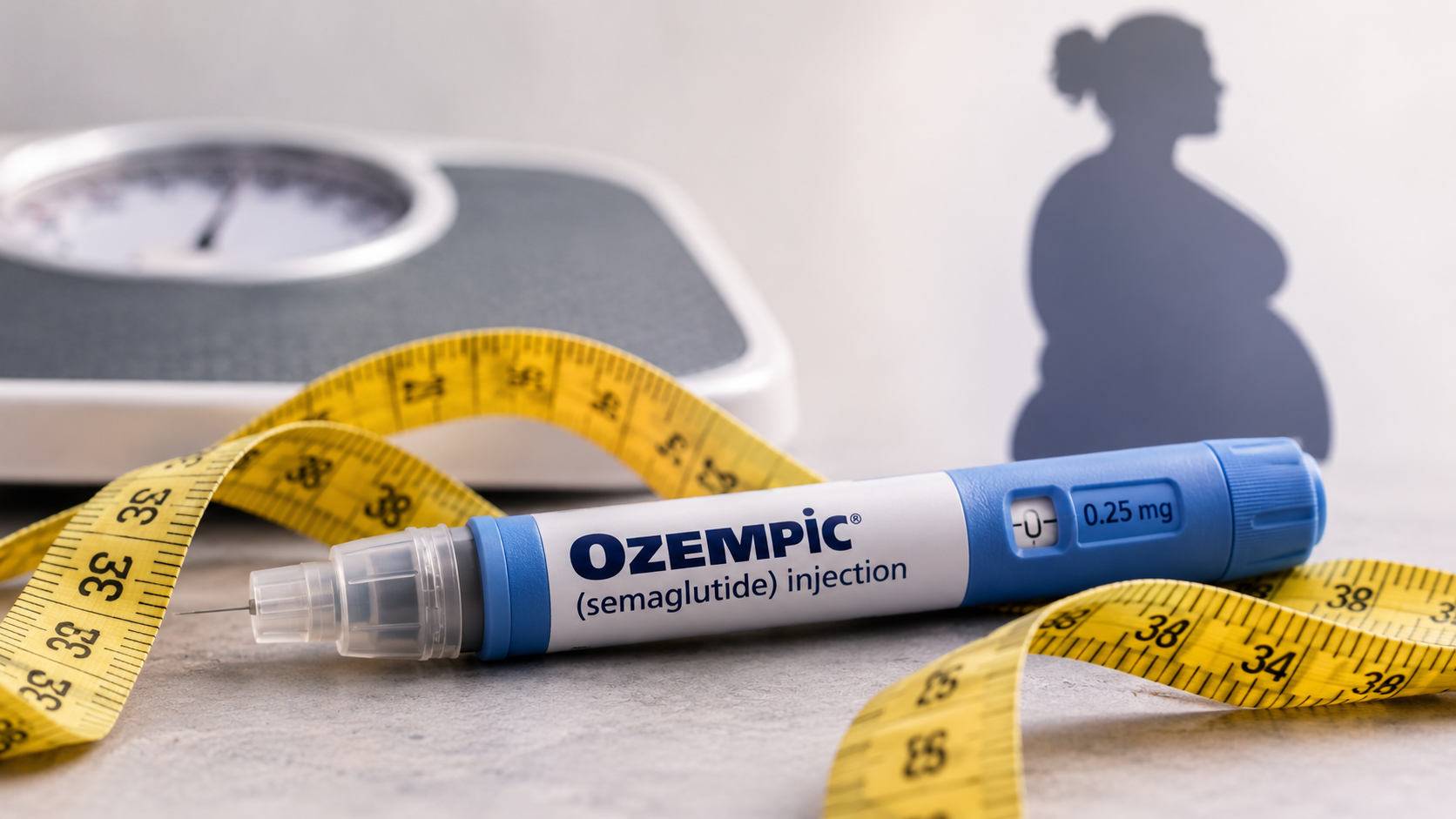
At the beginning of the year, losing weight was no longer just another New Year’s resolution for many Indians. Drugs such as Ozempic had already gained popularity for their weight-loss benefits, and the arrival of cheaper generic alternatives in April was expected to make these treatments more accessible. The prediction was that affordability would improve, driving both pharmaceutical sales and patient adoption.
However, as the year draws to a close, the picture looks far less straightforward. Sales of weight-loss drugs, particularly those belonging to the glucagon-like peptide-1 (GLP-1) category, have delivered mixed results. Although these drugs are widely associated with weight management, Indian generic manufacturers conducted bridging studies focused on their effectiveness in controlling blood sugar levels among people with type 2 diabetes.
Actual patient adoption remains difficult to measure, with limited data available on how many people have started, continued or discontinued treatment. Meanwhile, regulatory authorities have taken steps to restrict cosmetic promotions of these medicines, attempting to prevent their casual use for appearance-related purposes.
Adding another dimension to the debate, a series of review papers published in Science last week examined the growing complexity of GLP-1 drugs and their impact on human metabolism. The research helps explain why the much-discussed transformation in obesity treatment is progressing unevenly across different populations. It also highlights an opportunity for countries such as India, where well-designed clinical research remains limited, to investigate unanswered questions about these medicines.
The growing popularity of semaglutide has also been noticeable in everyday social circles. Many people have either tried the drug themselves or know someone who has. Yet, what is equally striking is how many appear to have discontinued it before the end of the year. Public enthusiasm has risen, only to fade again, reflecting how quickly attitudes towards these treatments can change.
Part of the challenge lies in how people understand body fat. It is often viewed as little more than stored energy, a passive reserve that the body carries around. In reality, fat is an active endocrine organ that communicates with different parts of the body and influences several biological processes. It functions more like a complex chemical factory than a simple fuel tank.
The emergence of GLP-1 drugs has brought greater attention to these interactions, revealing how closely the body's metabolic systems communicate and adapt. With more than 170 next-generation GLP-1 and gut-hormone-based incretin drugs currently in development, the Indian market has an important opportunity to generate valuable real-world evidence.
The post-launch experience of semaglutide in India could help researchers understand what encourages patients to adopt these treatments, why some discontinue them, how effective they are outside clinical trials, and where misuse may occur. Such evidence will become increasingly important as the next generation of metabolic drugs moves closer to the market.
Vui lòng để đăng bình luận
Chưa có bình luận nào
Hãy là người đầu tiên chia sẻ suy nghĩ.
@heloix_news
HealthTech
@heloix_news
HealthTech
@heloix_news
HealthTech
Đăng ký nhận tin tức mới nhất về công nghệ, phát triển kinh doanh và chuyển đổi số.