
HN
@heloix_news
Tech

How to Launch a NFT Marketplace in Just 3 Days
#NFTMarketplace#NFTs#DigitalAssets
Comment
656
Shamita
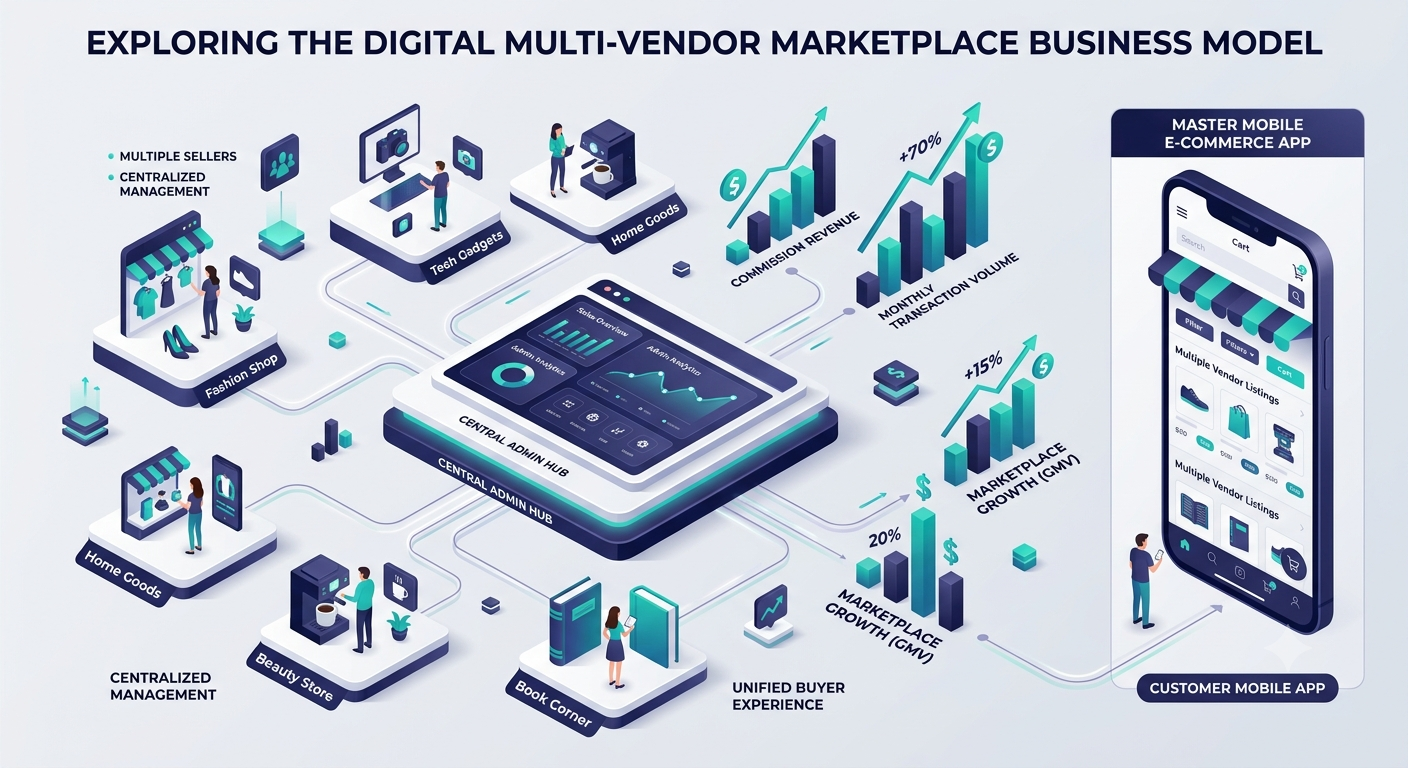
Building a modern e-commerce platform no longer requires you to hold millions of dollars in physical inventory, manage complex warehouse networks, or oversee expensive manufacturing lines. Some of the world’s most successful digital tech giants—such as Amazon, Etsy, Airbnb, and Uber—operate without owning the majority of the products or services listed on their platforms. Instead, they rely on the multi-vendor marketplace business model.
For entrepreneurs, launching a multi-vendor platform is one of the most effective strategies for scaling an e-commerce enterprise. In this guide, we will break down how the multi-vendor marketplace model operates, explore its primary revenue streams, examine how white-label software solutions accelerate launch times, and provide a practical step-by-step framework to get your platform off the ground.
A multi-vendor marketplace is an online e-commerce platform where multiple independent sellers (vendors) register to list and sell their products or services under a single, unified digital storefront.
Unlike a single-vendor online store—where one business sells its own proprietary products directly to consumers—a multi-vendor platform functions as a digital meeting place connecting two key user groups: Sellers looking for broad market access, and Buyers seeking product variety and competitive pricing.
┌──────────────────────────────────────────────────────────┐
│              Multi-Vendor Marketplace Platform            │
│               (Managed by Platform Administrator)        │
└───────────────┬──────────────────────────────┬───────────┘
                │                              │
                ▼                              ▼
  ┌──────────────────────────┐   ┌──────────────────────────┐
  │   Independent Vendors    │   │      End Customers       │
  │  (Sellers A, B, C, etc.) │   │ (Browsing & Buying Items)│
  └──────────────────────────┘   └──────────────────────────┘
The marketplace administrator manages the central platform infrastructure, customer experience, marketing acquisition, and payment processing. Individual vendors focus on product catalog creation, inventory management, and order fulfillment.
One of the main strengths of the multi-vendor marketplace model is its flexibility. You can combine multiple monetization channels to build sustainable recurring revenue:
Commission Fees (Transaction-Based): The administrator deducts a fixed percentage or flat fee from each completed sale processed through the platform. For instance, charging a 10% commission on a $100 sale generates $10 in marketplace revenue.
Vendor Subscription Memberships: Charging sellers a recurring monthly or annual fee for access to the platform, advanced storefront analytics, premium buyer visibility, or higher product listing limits.
Product Listing Fees: Charging sellers a minimal fee for each product item uploaded to the platform catalog.
Featured Vendor Advertising: Giving sellers the option to pay for sponsored placement at the top of category search results, homepage banners, or targeted customer emails.
Value-Added Service Bundles: Offering secondary logistics, warehousing, custom photo packaging, or administrative marketing services to sellers for an additional fee.
To operate smoothly, a multi-vendor platform requires three distinct user control layers:
| Interface Layer | Target User | Essential Features & Capabilities |
| Super Admin Panel | Marketplace Owner | Vendor approval workflows, commission management, payout processing, platform analytics, catalog categorization. |
| Vendor Dashboard | Sellers / Merchants | Inventory tracking, order management, revenue payout requests, product listing creation, shipping setups. |
| Customer Storefront | Buyers / End-Users | Unified search & filtering, multi-item shopping cart, secure payment gateways, vendor ratings, order tracking. |
Building a complex multi-vendor architecture from scratch often requires dedicated development teams, tens of thousands of dollars, and 6 to 12 months of custom software coding.
For modern startup founders, utilizing a multi-vendor marketplace white-label solution offers a faster path to market.
A white-label marketplace software package provides pre-built, production-ready code with complete front-end and back-end architecture already established.
3-Day Turnaround vs. Months of Development: Eliminate time spent on initial UI design, backend infrastructure, and security development.
Full Brand Customization: Apply your custom domain name, logo design, color schemes, and payment processing rules without showing original software developer branding.
Full Source Code Ownership: Platforms like Heloix offer white-label business solutions with complete source code ownership, allowing you to deploy instantly and scale features down the line without ongoing software lock-in.
Cost Efficiency: Transition from high upfront software engineering expenses to an affordable launch budget, allowing capital to be directed into vendor onboarding and customer marketing.
  ┌──────────────────────────────────────────────────────────┐
  │ 1. Define a Focused Niche & Vendor Criteria              │
  └─────────────────────────────┬────────────────────────────┘
                                │
                                ▼
  ┌──────────────────────────────────────────────────────────┐
  │ 2. Select & Deploy a White-Label Software Solution       │
  └─────────────────────────────┬────────────────────────────┘
                                │
                                ▼
  ┌──────────────────────────────────────────────────────────┐
  │ 3. Configure Revenue Rules & Payment Gateways             │
  └─────────────────────────────┬────────────────────────────┘
                                │
                                ▼
  ┌──────────────────────────────────────────────────────────┐
  │ 4. Onboard Your First Wave of Anchor Vendors             │
  └─────────────────────────────┬────────────────────────────┘
                                │
                                ▼
  ┌──────────────────────────────────────────────────────────┐
  │ 5. Execute Buyer Acquisition & Marketing Campaigns       │
  └─────────────────────────────┬────────────────────────────┘
                                │
                                ▼
  ┌──────────────────────────────────────────────────────────┐
  │ 6. Monitor Platform Performance & Scale Ecosystem        │
  └──────────────────────────────────────────────────────────┘
Instead of attempting to compete directly with broad horizontal marketplaces like Amazon from day one, narrow your target market. Focus on a specific product vertical where buyers actively look for curated choices (e.g., regional artisanal goods, industrial equipment parts, sustainable apparel, or specialized B2B supplies).
Select a reliable, enterprise-grade white-label marketplace engine. Set up your hosting environment, map custom SSL domains, apply your visual brand system, and customize the store’s default category taxonomies.
Establish clear operational rules for your sellers:
Set default transaction commission rates.
Connect automated payout gateways (such as Stripe Connect) to route payment splits instantly between the marketplace owner and vendors upon customer checkout.
Define clear terms of service, return parameters, and vendor shipping guidelines.
Solve the classic "chicken-and-egg" problem by focusing on sellers first. Acquire 10 to 20 quality anchor vendors before opening the customer storefront.
Offer incentives to early adopters, such as zero commission fees for the first 90 days, free featured listing spots, or dedicated technical help during product catalog setup.
Once your vendors have populated the catalog with attractive product listings, launch marketing strategies to attract high-intent buyers:
SEO Strategy: Build optimized search pages around specific niche product keywords and subcategories.
Vendor Co-Marketing: Encourage onboarded sellers to promote their new marketplace store link to their existing social followers and mailing lists.
Performance Advertising: Execute hyper-targeted paid search and social campaigns showcasing curated product items.
Track core platform metrics including Gross Merchandise Value (GMV), customer acquisition costs, average order value, and active seller retention rate. Continually gather feedback from both buyers and vendors to refine user interfaces, improve fulfillment speed, and add features.
Please to post a comment
No comments yet
Be the first to share your thoughts.
@heloix_news
Tech
@heloix_news
Tech

@heloix_news
Tech

Subscribe for the latest on technology, business growth and digital transformation.