
HN
@heloix_news
Fintech

How to Launch a Crypto Exchange Platform in Just 3 Days
#CryptoExchangePlatform#CryptocurrencyExchange#CryptoTrading
Bình luận
1.9K
Shreya
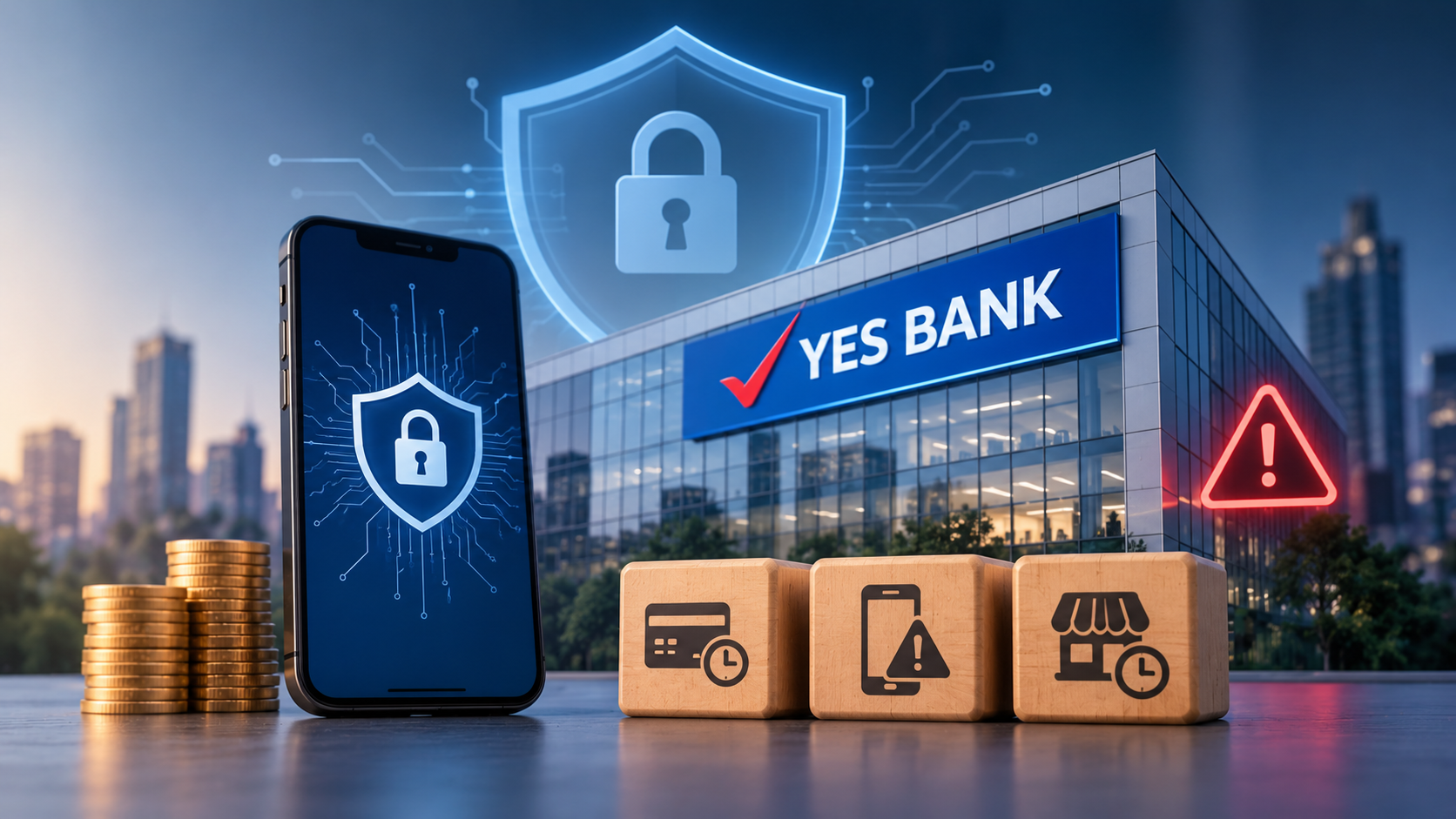
Several fintech companies in India are facing payment processing and settlement delays as Yes Bank strengthens its cybersecurity systems to tackle the growing threat of AI-powered cyberattacks.
According to industry sources, the bank's ongoing security upgrades and changes to its banking APIs have disrupted operations for payment service providers and businesses that depend on its infrastructure to process transactions and transfer funds.
A fintech executive told Inc42 that the company began experiencing difficulties after receiving an email from Yes Bank outlining additional precautionary measures to protect transactions. The bank subsequently informed the platform about changes to its banking APIs, which affected settlement timelines.
These disruptions have created operational challenges for fintech companies that rely on the bank's systems to process payments and transfer money to merchants and customers.
### RBI's Cybersecurity Directives Trigger Banking Upgrades
The disruptions reportedly began after the Reserve Bank of India (RBI) directed banks and other financial institutions to strengthen their cybersecurity frameworks.
The move followed a cyber incident involving the State Bank of India (SBI) in October 2026, which reportedly involved a data leak.
According to an industry source, the RBI asked financial institutions to strengthen their defences against AI-assisted cyberattacks and ensure that customer funds remain protected.
As banks implement additional security checks and upgrade their technology infrastructure, fintech companies relying on their banking APIs are experiencing delays in payment processing and settlements.
Inc42 reached out to Yes Bank for a response regarding the disruptions.
### Crypto Exchanges Also Face Withdrawal Delays
The impact of banking disruptions is not limited to payment service providers. Several cryptocurrency exchanges in India have also reported difficulties processing customer withdrawals because of issues involving their banking partners.
Coinbase India temporarily suspended withdrawals the previous week before partially restoring the service. The company attributed the disruption to an outage at its banking partner.
CoinDCX also reported delays in processing INR withdrawals, stating that upgrades at most of its partner banks were affecting transaction timelines.
Similarly, ZebPay informed users that withdrawals were taking longer than usual because of a technical disruption at its banking partner.
Razorpay also experienced a temporary settlement issue during the same period. The company informed merchants that settlements would be delayed because of a technical problem at a partner bank. However, the service was restored a few hours later.
These developments highlight how changes or disruptions in banking infrastructure can affect multiple fintech businesses that depend on traditional financial institutions for transaction processing.
### CERT-In Flags AI-Powered Cyberattacks on Banking Vendors
The disruptions come amid growing concerns around AI-assisted cyberattacks targeting technology service providers that work with banks and financial institutions.
The Indian Computer Emergency Response Team (CERT-In) recently issued an advisory warning about unauthorised transactions involving technology service providers responsible for banking operations, government-linked payment processes and vendor payouts.
According to the cybersecurity agency, attackers have been manipulating business records and payment approval relationships to push through fraudulent transactions using otherwise legitimate payment processes.
Rather than directly attacking payment APIs, these malicious actors have been exploiting weaknesses in business applications, internal workflows and verification systems.
CERT-In identified several techniques being used in these attacks, including:
- Automated reconnaissance to identify vulnerable systems, exposed services and potential entry points.
- Rapid development and modification of exploits targeting known software vulnerabilities.
- Deployment of multiple automated agents to identify privileges and carry out different stages of an attack simultaneously.
- Modification of scripts and attack requests based on system responses or failed attempts.
- Misuse of legitimate credentials, administrative tools and trusted external connections to gain unauthorised access.
These methods allow attackers to exploit existing business processes and gain access to systems without necessarily breaking through conventional payment security mechanisms.
### CERT-In Recommends Tighter Payment Controls
To address these risks, CERT-In has advised government organisations and financial service providers to strengthen controls around payment approvals and changes to financial records.
The agency has recommended identifying and restricting accounts and integrations that have the authority to approve transactions or modify payment-related information.
It has also called for independent certification of high-risk changes to payment records and regular reconciliation of critical business data maintained by technology service providers against authoritative records.
Additionally, banks and technology service providers have been advised to limit administrative access, tighten control over privileged accounts and closely monitor unusual changes to payment-related information.
Fintech companies have also been encouraged to review their internal systems and strengthen monitoring mechanisms to identify suspicious activity.
### Fintechs Caught Between Security and Operational Continuity
The latest disruptions highlight a growing challenge for India's fintech ecosystem. As cyber threats become more sophisticated, banks and financial institutions are under increasing pressure to strengthen their security infrastructure.
However, implementing these changes can also affect the third-party platforms, payment processors and businesses that depend on banking APIs for their daily operations.
For fintech companies, the challenge is to maintain smooth payment processing and timely merchant settlements while adapting to stricter banking security requirements.
With AI-assisted cyberattacks becoming more complex, stronger cybersecurity measures are increasingly necessary. However, coordination between banks, technology service providers and fintech platforms will be equally important to ensure that security upgrades do not create prolonged disruptions across the financial ecosystem.
Vui lòng để đăng bình luận
Chưa có bình luận nào
Hãy là người đầu tiên chia sẻ suy nghĩ.
@heloix_news
Fintech
@heloix_news
Fintech

@heloix_news
Fintech

Đăng ký nhận tin tức mới nhất về công nghệ, phát triển kinh doanh và chuyển đổi số.